Clear records
history record

How to Build a Stable Mirrored Water Feature with Homedin Industrial Durable Paving Pedestal System Tech
A mirrored water feature is one of the most demanding landscape elements from a structural standpoint. Its visual success depends entirely on surface flatness, long-term level accuracy, concealed drainage, and resistance to settlement. Any deviation—no matter how small—breaks reflection continuity and compromises the intended spatial effect. This is why modern landscape architects and contractors increasingly rely on a durable paving pedestal system to construct mirrored water features that remain stable, serviceable, and visually precise over time.
This article focuses on how to build a stable mirrored water feature using industrial-grade paving pedestal system technology, drawing directly from the engineering logic, product scope, and application experience of Homedin Industrial Co., Ltd. The emphasis is on structure, load transfer, and long-term performance rather than decorative concepts or basic definitions.
Why Structural Stability Determines the Success of Mirrored Water Features
Industry surveys in landscape engineering indicate that more than 50% of mirrored water feature failures are caused by substructure deformation, not surface materials. Common issues include uneven settlement, blocked drainage layers, and inaccessible maintenance zones beneath finished surfaces.
A durable paving pedestal system addresses these risks by separating the visible surface from the structural base. Instead of relying on rigid mortar beds, the system creates an adjustable, load-bearing support grid that allows the water feature to remain perfectly level even as environmental conditions change.
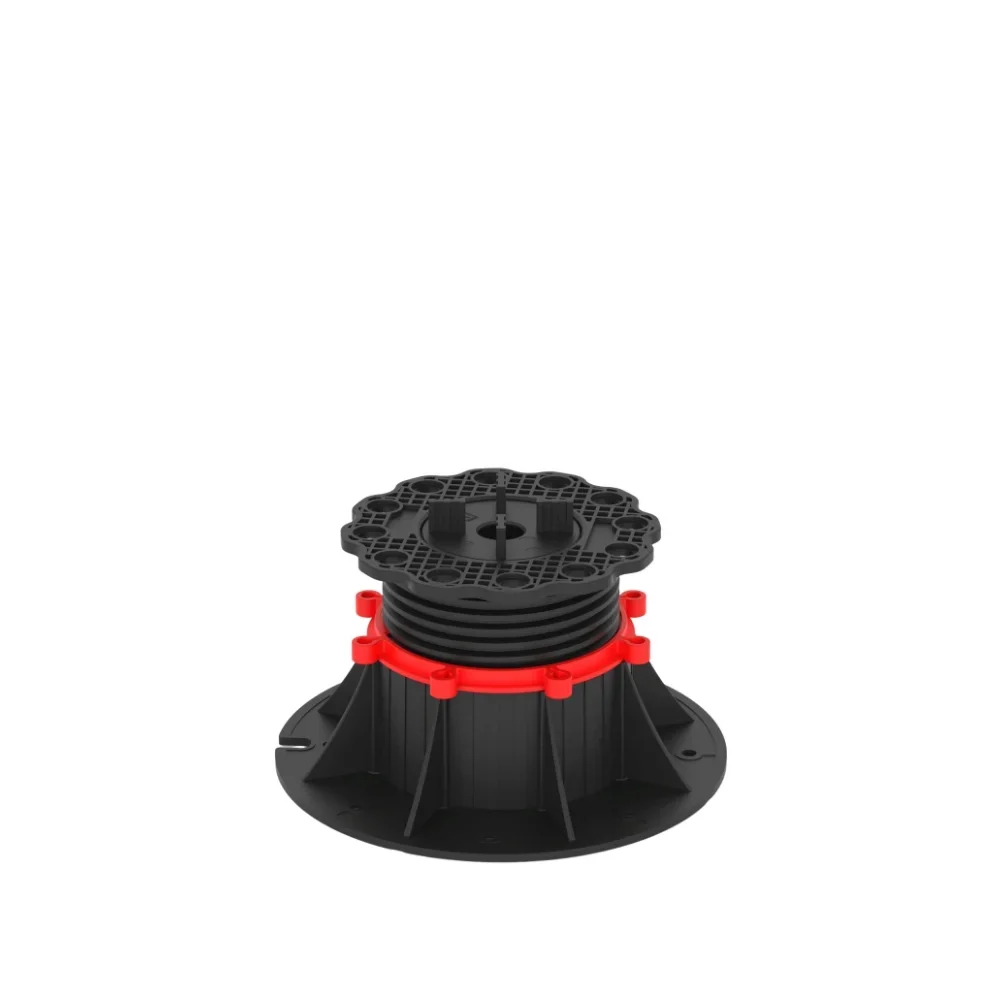
Homedin Industrial specializes in adjustable pedestals and raised floor support systems—including stone supports, floor supports, keel supports, and water feature supports—designed specifically for scenarios such as garden landscapes, mirrored water features, rooftop gardens, and elevated plazas where long-term stability is critical.
The Structural Logic Behind a Mirrored Water Feature Pedestal Layout
Mirrored water features differ fundamentally from ordinary paving systems. They must support:
Constant water load
Dynamic live loads from maintenance access
Thermal expansion and contraction
Concealed piping, drainage, and waterproofing layers
A durable paving pedestal system allows designers to elevate the finished surface above the waterproof membrane, creating a controlled cavity for drainage, inspection, and system longevity.
From an engineering perspective, the mirrored water surface becomes a floating plane, supported at calculated load points rather than bonded across its entire area. This approach dramatically reduces stress concentration and cracking risk.
Step 1: Substrate Preparation with Load Distribution in Mind
Before pedestal placement, the structural base must be evaluated for bearing capacity and slope control. Unlike traditional construction, the substrate does not need to be perfectly level; it must be structurally sound and properly waterproofed.
Key preparation principles include:
Ensuring consistent compressive strength across the slab
Applying a continuous waterproofing layer compatible with elevated systems
Designing slope at the membrane level for controlled drainage
Industry references from urban landscape construction standards show that separating slope control from surface leveling improves long-term flatness by over 30% compared to rigid bedding methods.
Step 2: Pedestal Grid Planning for Water Load and Reflection Accuracy
Mirrored water features demand tighter tolerance than dry paving. Pedestal spacing must account for:
Water depth and static load
Surface material thickness and rigidity
Edge conditions and overflow channels
Homedin Industrial’s durable paving pedestal system is engineered for precise height adjustment and consistent load transfer, making it suitable for stone, composite panels, and prefabricated water feature surfaces. By adjusting pedestal heights rather than surface materials, installers can achieve millimeter-level flatness across large reflective planes.
This precision is essential for achieving uninterrupted mirror effects in landscape plazas, rooftop water features, and elevated squares.
Step 3: Managing Drainage and Hidden Infrastructure Below the Water Plane
One of the most significant advantages of a durable paving pedestal system is the creation of an accessible service void beneath the mirrored water surface.
This space allows for:
Drainage channels to operate without obstruction
Flexible routing of supply and return piping
Easy inspection and repair without surface demolition
Studies from landscape maintenance authorities indicate that projects using elevated pedestal systems reduce long-term maintenance intervention costs and surface damage risk by 40–60%.
Homedin Industrial designs its support systems specifically to accommodate such concealed infrastructure, supporting applications like dry spray landscapes, fountains, and integrated water feature systems.
Step 4: Controlling Differential Movement in Outdoor Environments
Outdoor mirrored water features are exposed to temperature cycles, moisture variation, and structural movement from adjacent buildings or decks. Rigid construction methods often transfer these movements directly to the surface, causing cracking or uneven water depth.
A durable paving pedestal system mitigates these risks by:
Allowing micro-adjustment over time
Isolating surface materials from substrate movement
Reducing shear stress at joints
This is particularly important in rooftop gardens and elevated platforms, where structural deflection is inevitable. Homedin Industrial’s adjustable pedestal products are designed for such environments, ensuring consistent performance under changing conditions.
Step 5: Edge Restraint and Perimeter Stability
While the central area of a mirrored water feature benefits from adjustable pedestals, perimeter zones require careful restraint to prevent lateral movement.
Best-practice approaches include:
Combining pedestal supports with keel support systems at edges
Designing concealed retaining profiles that do not interrupt reflection
Ensuring load continuity between central and perimeter zones
Homedin Industrial’s integrated product range allows these transitions to be engineered as a unified system rather than improvised on-site solutions.
Step 6: Long-Term Level Retention and Maintenance Strategy
A mirrored water feature is never a “set and forget” structure. Long-term success depends on the ability to re-level surfaces and access sublayers without dismantling the entire installation.
With a durable paving pedestal system:
Individual support points can be adjusted independently
Damaged components can be replaced locally
Waterproof layers remain protected throughout the lifecycle
This aligns with modern landscape asset management principles, which prioritize serviceability and adaptability over permanent rigid construction.
Data-Backed Advantages of Pedestal-Based Water Feature Systems
According to international landscape construction reports, projects using adjustable pedestal support systems demonstrate:
Up to 25% longer service life for surface materials
Significantly reduced settlement-related defects
Improved adaptability to future renovation or redesign
These advantages explain why pedestal-supported mirrored water features are increasingly specified in high-end commercial landscapes, public plazas, and architectural developments.
Homedin Industrial’s focus on research, production, and technical support ensures that its durable paving pedestal system solutions meet these evolving project requirements.
FAQ: Durable Paving Pedestal Systems for Mirrored Water Features
Can a pedestal system support continuous water load safely?
Yes. When properly designed, the load is distributed through multiple adjustable supports, reducing stress concentration.
Is this system suitable for rooftop mirrored water features?
Yes. Elevated pedestal systems are particularly effective on rooftops due to weight control and accessibility.
How does this approach affect future maintenance?
It significantly simplifies inspection and repair by preserving access beneath the surface.
Does pedestal height adjustment affect surface stability over time?
No. High-quality systems are designed to lock in position while remaining adjustable when required.
Final Perspective: Stability Is Engineered, Not Decorated
Building a stable mirrored water feature is not about surface materials alone; it is about the invisible system beneath. A durable paving pedestal system transforms mirrored water features from fragile design elements into robust, serviceable structures capable of performing over decades.
With its comprehensive range of adjustable pedestals and raised floor support systems and deep experience across garden landscapes, water features, rooftop gardens, and architectural applications, Homedin Industrial provides the technical foundation required to achieve both visual perfection and structural reliability in modern mirrored water feature projects.
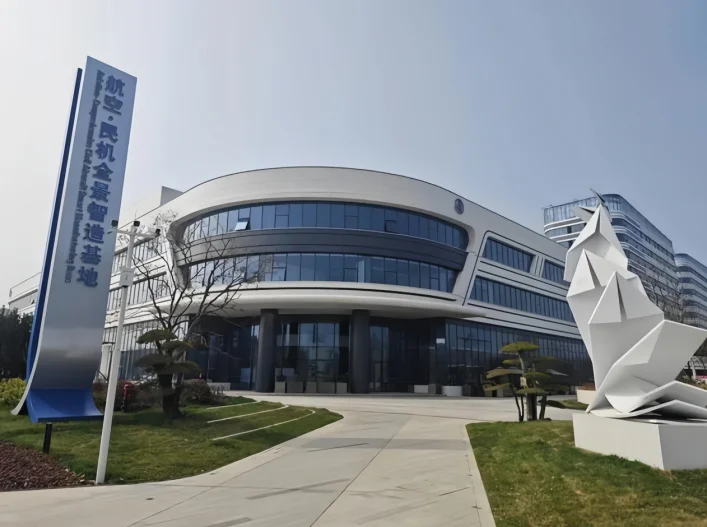
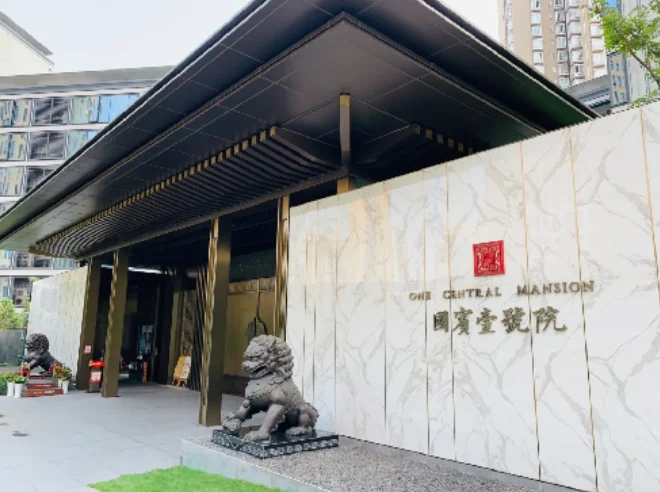

With advanced manufacturing and rigorous quality control, Homedin delivers consistent product quality and responsive after-sales support. We welcome partners worldwide to visit our factory and discuss collaboration.
Frequently Asked Questions
What is an adjustable pedestal used for?
An adjustable pedestal (also called a deck support or paver pedestal) raises tiles, decking boards, timber or stone above the substrate to create a level, ventilated and drained raised floor. Common uses are rooftops, terraces, balconies, plazas and pool decks.
How much weight can an adjustable pedestal support?
HOMEDIN pedestals are SGS load-tested: the HE Series up to 2,000 kg per support, the B Series 2.5–3.5 t, and the S Series rubber shim ≥3,152 kg. Always size by worst-case point load and support spacing.
What height range do adjustable pedestals cover?
Typical pedestals adjust from about 20 mm up to 260–392 mm; extension rings push heights further (B Series to 480 mm, HE Series to 392 mm). Pick the model by your required finished-floor height.
Can adjustable pedestals handle sloped or uneven surfaces?
Yes. Self-leveling heads (HOMEDIN XA rubber / XB plastic) compensate slopes up to 5%, and shim pads level minor irregularities — ideal for retrofit balconies and uneven substrates.
Are HOMEDIN pedestals certified and suitable for outdoor use?
Yes. Bodies are UV-stabilised PP or PP+glass-fibre (TPE/EPDM rubber for the S Series), rated from −30 °C to +120 °C, and verified by SGS, CE, RoHS and REACH.