Clear records
history record

How to Level Uneven Surfaces Using Homedin Industrial Pedestal Support for Outdoor Balcony Decking DIY Projects
Uneven balcony surfaces are one of the most common obstacles in outdoor decking DIY projects. Slopes created for drainage, construction tolerances, aging concrete, or structural settlement often make traditional leveling methods impractical or unreliable. Attempting to correct these conditions with mortar, shims, or rigid framing frequently leads to poor drainage, structural stress, and premature surface failure.
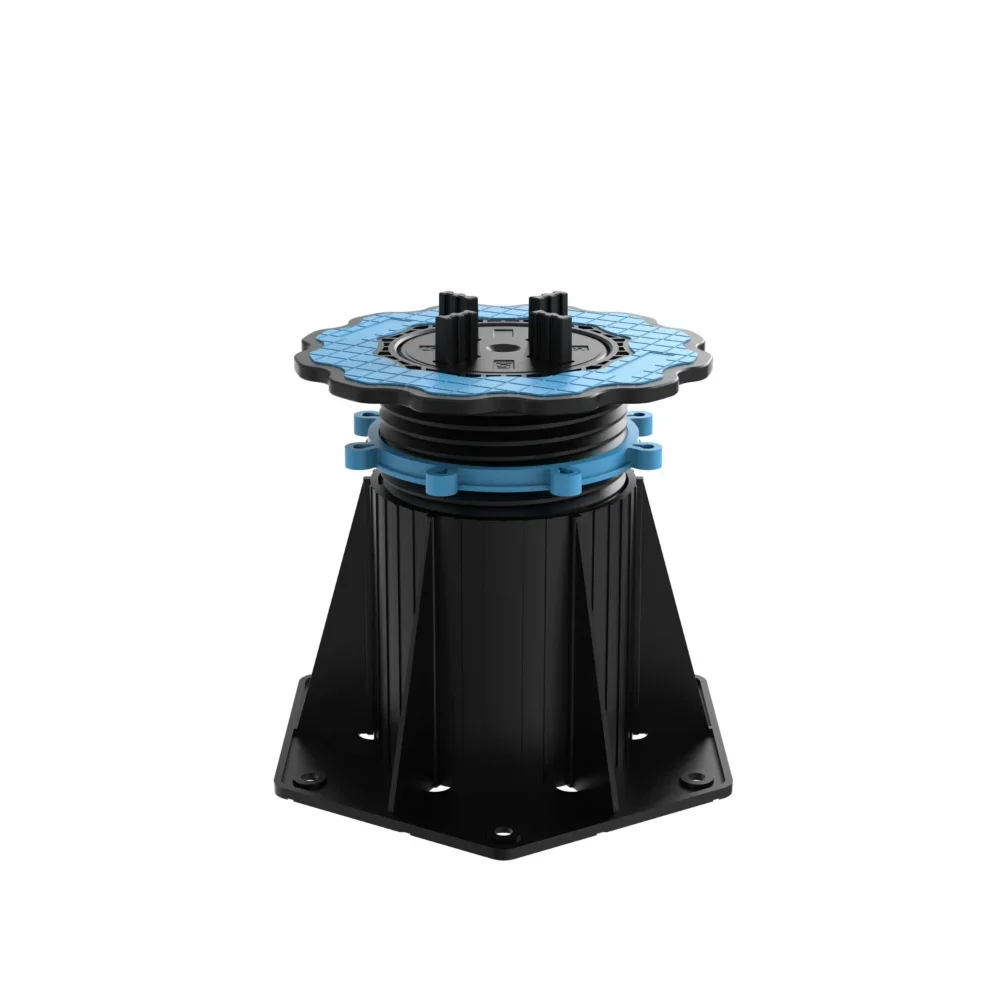
Modern pedestal support systems offer a fundamentally different approach—one that allows precise height adjustment, load distribution, and long-term stability without invasive surface modification. Homedin Industrial specializes in universal overhead support solutions designed specifically to address these challenges across balcony decking, rooftop gardens, landscape platforms, and prefabricated construction systems.
Why Balcony Decking Surfaces Are Rarely Truly Flat
Balcony slabs are intentionally designed with slope to prevent water accumulation. Industry construction standards typically specify a drainage gradient of 1–2%, which translates into noticeable height differences across even small areas.
Additional contributing factors include:
Concrete shrinkage and settlement over time
Structural deflection in elevated slabs
Waterproofing layer thickness variation
Retrofit installations over existing finishes
These variables make rigid leveling methods unsuitable for long-term performance.
Pedestal Support Systems as a Structural Leveling Tool
Pedestal supports transform leveling from a surface problem into a structural adjustment process. Instead of correcting the substrate, the system compensates for irregularities through vertical adjustment at each support point.
Homedin Industrial’s pedestal support solutions are designed as universal elevated flooring systems, suitable for stone decking, floor panels, keel-supported decks, and water-feature platforms. Their modular structure allows installers to adapt to site conditions without compromising load capacity or drainage performance.
Understanding Load Distribution in Outdoor Balcony Decking
One of the most underestimated aspects of DIY decking is load management. Uneven surfaces often lead to uneven load transfer, causing localized stress points.
Engineering studies in raised flooring systems indicate that distributed point supports significantly reduce slab stress and surface deformation compared to continuous bedding methods.
Pedestal supports:
Transfer loads vertically to the structural slab
Avoid rigid contact between deck surface and waterproof layer
Maintain consistent bearing points across uneven terrain
This approach is particularly valuable in balcony and rooftop environments.
Step-by-Step Logic for Leveling with Pedestal Supports
Step 1: Map Height Differences Instead of Flattening the Surface
Before installation, measure the highest and lowest points of the balcony slab. The goal is not to eliminate slope but to establish a reference plane for the finished deck surface.
Adjustable pedestal systems accommodate height differences without cutting, grinding, or filling the substrate.
Step 2: Select Support Spacing Based on Deck Material
Decking materials such as stone slabs, composite panels, or aluminum-framed systems require different support intervals.
Homedin Industrial’s comprehensive support range allows compatibility with:
Stone and porcelain pavers
Wood-plastic composite decking
Keel-supported systems
Prefabricated modular panels
Correct spacing ensures both stability and long-term durability.
Step 3: Fine-Tune Height with Millimeter-Level Adjustment
Precision height adjustment is the core advantage of pedestal supports. Incremental adjustment allows installers to correct unevenness gradually, avoiding stress concentration.
This is especially critical in DIY projects, where tools and conditions may be less controlled than professional construction sites.
Drainage and Ventilation: Hidden Benefits of Pedestal Systems
Unlike bonded or fully supported decks, pedestal systems create an open cavity beneath the decking surface. This space delivers multiple functional benefits:
Unobstructed water drainage
Improved airflow, reducing moisture retention
Easy access for inspection and maintenance
Protection of waterproofing layers
According to landscape and rooftop construction studies, ventilated raised systems significantly reduce long-term moisture-related failures.
Environmental Durability in Outdoor Applications
Balconies are exposed to UV radiation, temperature fluctuations, and moisture cycles. Pedestal supports must perform reliably under these conditions.
Homedin Industrial develops support products suitable for:
Rooftop gardens and elevated squares
Dry spray landscapes and water features
Balcony and interior decoration
Temporary and permanent booth structures
Material selection and structural design focus on maintaining dimensional stability and load-bearing capacity over time.
Common DIY Mistakes When Leveling Uneven Decks
Over-Correcting the Slope
Eliminating all slope may cause water pooling. Pedestal systems allow leveling of the deck surface while preserving necessary drainage below.
Inconsistent Support Height Adjustment
Uneven adjustment introduces stress into deck panels. Systematic leveling across the grid prevents this issue.
Ignoring Edge and Perimeter Support
Perimeter zones experience different load dynamics. Proper edge support improves overall system rigidity and safety.
Comparing Pedestal Supports to Traditional Leveling Methods
| Method | Adjustability | Drainage | Long-Term Stability |
|---|---|---|---|
| Mortar bedding | None | Poor | Low |
| Shims | Limited | Moderate | Low |
| Wooden framing | Fixed | Poor | Moderate |
| Pedestal supports | High | Excellent | High |
This comparison highlights why pedestal systems are increasingly specified in modern outdoor decking projects.
Maintenance and Reconfiguration Advantages
Pedestal-supported decks are inherently adaptable. Individual panels can be removed to access drainage outlets, lighting conduits, or waterproof layers without dismantling the entire structure.
For DIY users, this flexibility reduces future repair complexity and cost.
Frequently Asked Questions
Can pedestal supports handle heavy outdoor furniture?
Yes, when properly spaced and installed according to material requirements.
Do pedestal systems work on very uneven surfaces?
They are specifically designed for height variation and structural irregularities.
Is special equipment required for installation?
No. Standard hand tools are sufficient for most DIY balcony projects.
Can the system be reused or reconfigured later?
Yes. Modularity allows repositioning or height adjustment as needs change.
Why Homedin Industrial Is Positioned for Complex Outdoor Projects
Homedin Industrial Co., Ltd. focuses exclusively on adjustable pedestal elevated flooring systems, integrating product research, manufacturing, and technical support. This specialization enables solutions tailored to diverse applications, from rooftop landscapes to prefabricated buildings.
Rather than offering a single-purpose product, Homedin Industrial provides adaptable systems designed to solve real-world construction challenges—especially those involving uneven substrates and elevated installations.
Final Perspective
Leveling uneven balcony surfaces does not require invasive construction or compromise on drainage and durability. By shifting the focus from substrate correction to structural support adjustment, pedestal systems offer a professional-grade solution suitable for DIY projects.
When adjustable support technology is combined with thoughtful layout, proper spacing, and long-term maintenance planning, outdoor balcony decking achieves stability, performance, and flexibility far beyond traditional leveling methods.
For modern outdoor spaces, pedestal supports are not just a workaround—they are a smarter structural strategy.
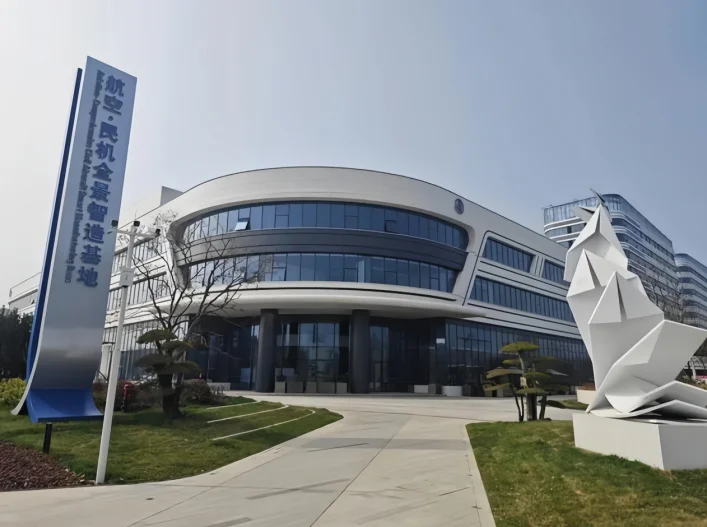
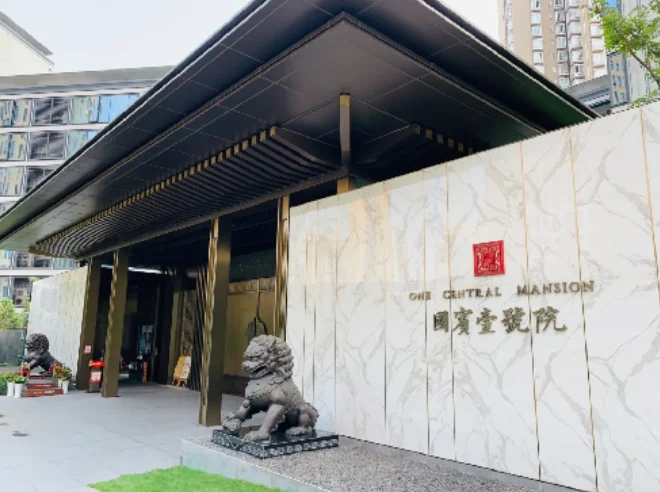

With advanced manufacturing and rigorous quality control, Homedin delivers consistent product quality and responsive after-sales support. We welcome partners worldwide to visit our factory and discuss collaboration.
Frequently Asked Questions
What is an adjustable pedestal used for?
An adjustable pedestal (also called a deck support or paver pedestal) raises tiles, decking boards, timber or stone above the substrate to create a level, ventilated and drained raised floor. Common uses are rooftops, terraces, balconies, plazas and pool decks.
How much weight can an adjustable pedestal support?
HOMEDIN pedestals are SGS load-tested: the HE Series up to 2,000 kg per support, the B Series 2.5–3.5 t, and the S Series rubber shim ≥3,152 kg. Always size by worst-case point load and support spacing.
What height range do adjustable pedestals cover?
Typical pedestals adjust from about 20 mm up to 260–392 mm; extension rings push heights further (B Series to 480 mm, HE Series to 392 mm). Pick the model by your required finished-floor height.
Can adjustable pedestals handle sloped or uneven surfaces?
Yes. Self-leveling heads (HOMEDIN XA rubber / XB plastic) compensate slopes up to 5%, and shim pads level minor irregularities — ideal for retrofit balconies and uneven substrates.
Are HOMEDIN pedestals certified and suitable for outdoor use?
Yes. Bodies are UV-stabilised PP or PP+glass-fibre (TPE/EPDM rubber for the S Series), rated from −30 °C to +120 °C, and verified by SGS, CE, RoHS and REACH.