Clear records
history record

Elevating Modern Architecture: The Role of Adjustable PVC Pedestals in Roof and Terrace Flooring
As buildings evolve toward cleaner, more efficient designs, the way we construct and support elevated flooring systems is changing as well. Homedin Industrial Co., Ltd., a pioneer in adjustable pedestal and overhead solutions, is redefining rooftop and terrace construction with its Modern Design Ceramic Solar Roof Tiles Pedestal. This adjustable plastic pedestal system offers a combination of strength, precision, and adaptability that meets the diverse requirements of today’s architectural environments—from hospitals and hotels to residential rooftops and public plazas.
Precision Engineering for Structural Balance
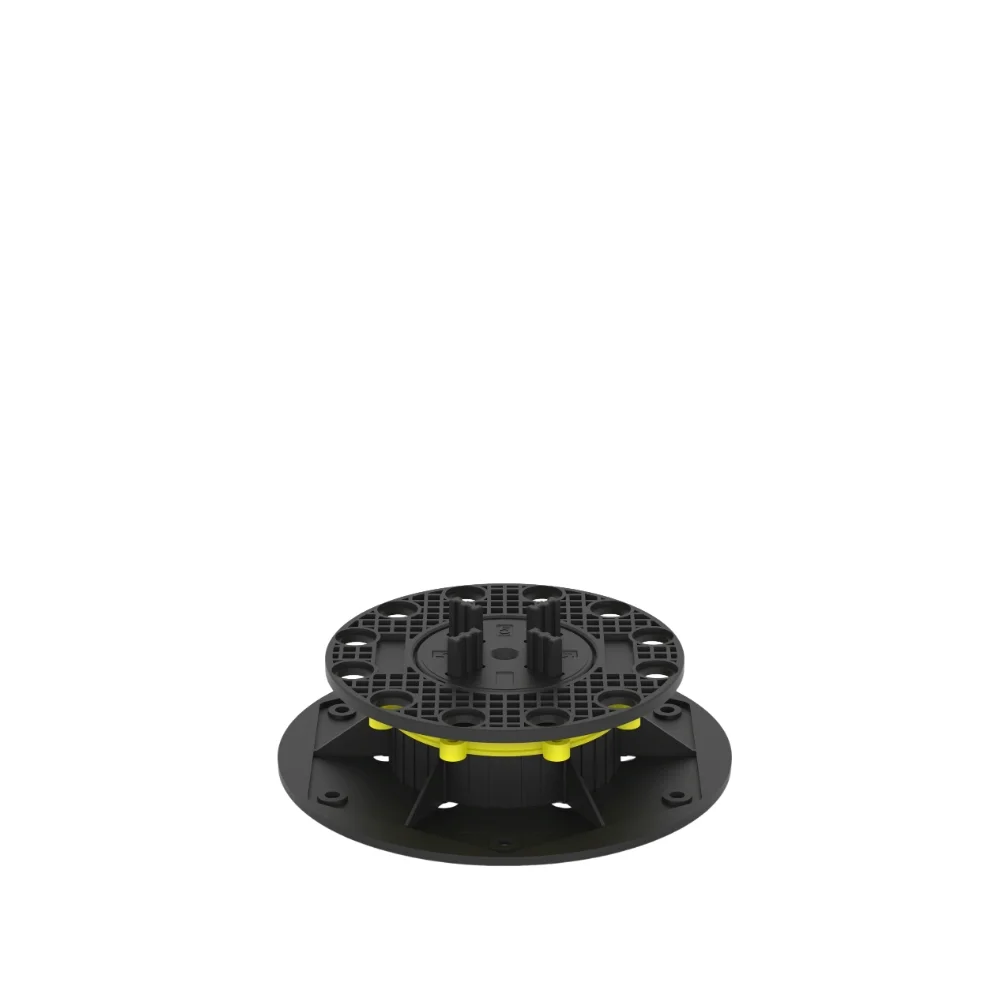
At the heart of Homedin’s design philosophy is Easy Adjust, Home Elevate—a concise statement that captures the purpose of the product. Each pedestal is engineered for precise height adjustment, enabling builders to create perfectly level flooring surfaces across uneven or sloped substrates.
Manufactured from polypropylene (PP) with added UV stabilizers, these pedestals deliver both mechanical strength and environmental resistance. The product maintains stable performance in temperatures ranging from –40 °C to +120 °C and offers a load-bearing capacity up to 1,500 kg per set. This balance of light weight and durability makes it ideal for heavy-duty rooftop flooring where weight reduction is critical but reliability is non-negotiable.
Certified Quality and Long-Term Reliability
Every Homedin pedestal undergoes a rigorous testing program certified by SGS, CE, and ISO 9001. These tests include:
Acid and alkali resistance to ensure long-term chemical stability in outdoor exposure.
Anti-aging performance verified through accelerated weathering cycles.
Load-bearing and temperature resistance assessments confirming durability in both summer heat and winter frost.
With an expected service life of 30 to 50 years, this pedestal system can sustain the structural integrity of elevated flooring systems throughout the lifespan of a modern building. The inclusion of built-in rubber pads and a retaining ring system minimizes vibration and enhances acoustic comfort—an often overlooked factor in roof terraces or balcony decks where sound transfer can be problematic.
Designed for Versatility
The height range of 29 to 42 mm allows for flexible installation across multiple applications. Whether used under ceramic solar tiles on a hotel rooftop or supporting concrete pavers in a hospital courtyard, the pedestals simplify the process of achieving perfect alignment and consistent drainage.
Common installation scenarios include:
Balcony pavers and roof flooring for both residential and commercial structures.
Public flooring and decking where uniform elevation and quick water runoff are necessary.
Solar roof tile systems, where the pedestal maintains airflow under the panels to prevent overheating.
Each pedestal set is packaged with a spacer tab, rubber pad, and retaining ring, offering installers everything required for precise assembly.
Sustainable Building Through Smart Materials
Sustainability in construction no longer depends solely on energy-efficient building envelopes or renewable energy integration; it extends to the small components that make systems work better and last longer.
By using high-grade polypropylene—a recyclable thermoplastic—Homedin minimizes resource consumption and ensures easy disposal or re-use at the end of the product’s life cycle. The UV stabilizers embedded in the compound prevent brittleness and discoloration, helping the product maintain its structural and aesthetic performance for decades without replacement.
For projects emphasizing green certification or low environmental impact, these pedestals complement larger sustainable systems such as green roofs, solar installations, and modular decking built from recyclable composites.
Installation Simplicity and On-Site Efficiency
Time efficiency is a major concern for contractors and project managers. Homedin’s adjustable pedestal system is designed for tool-free installation, using manual adjustment keys or rotating bases to fine-tune height. The large top diameter (140 mm) and wide base (180 mm) distribute loads evenly, preventing surface indentation or membrane damage on waterproof roofs.
Because each pedestal operates independently, maintenance and re-leveling can be done without dismantling the entire structure—a key advantage over traditional cement supports. This modularity not only reduces downtime during maintenance but also supports phased construction, allowing sections of the project to remain open while others are being upgraded.
Meeting the Aesthetic Demands of Modern Architecture
Beyond function, design consistency and visual uniformity are essential in high-profile spaces such as hotels, hospitals, and public terraces. The sleek black finish of the Homedin pedestal complements a variety of materials—from ceramic and stone to composite wood decking—providing a clean, unobtrusive base that supports minimalist design aesthetics.
For architects seeking an integrated system that harmonizes technical and aesthetic requirements, Homedin’s pedestal solutions offer a subtle yet essential structural foundation. The result is a seamless elevated flooring system that enhances drainage, ventilation, and long-term stability without visible mechanical clutter.
Case Integration: Supporting Modern Infrastructure
In large-scale projects such as smart buildings or advanced transportation hubs, systems integration is critical. Adjustable pedestals serve as the foundational link between surface materials and the mechanical systems hidden below them—drainage, insulation, or electrical conduits.
For example, modern drive-by-wire or automation facilities like the Combat Wings W Series depend on precision-engineered floors that can accommodate cabling and control systems beneath the surface. The same mechanical accuracy found in Homedin’s pedestal systems allows such facilities to maintain perfectly level operating environments without compromising accessibility for maintenance.
This cross-industry relevance demonstrates how structural accessories, though small in size, play a major role in sustaining performance across industrial, residential, and institutional projects.
Future-Ready Construction Solutions
As prefabrication and modular construction become standard practice, adaptable support systems like Homedin’s pedestals are key to accelerating installation cycles and maintaining quality across diverse project types. The combination of lightweight design, recyclable material, and decades-long reliability positions the Modern Design Ceramic Solar Roof Tiles Pedestal as a core component of future-ready architecture.
From terrace gardens to energy-efficient rooftops, it supports the modern builder’s goals of durability, sustainability, and elegance in one integrated system.
Conclusion
Homedin Industrial’s adjustable PVC pedestal roof support exemplifies the kind of incremental innovation that transforms ordinary construction into smart construction. By merging mechanical precision, environmental durability, and ease of use, it meets the evolving demands of architects, builders, and property owners seeking long-lasting, efficient, and visually clean elevated flooring systems.
In an era when every component contributes to sustainability and structural excellence, these pedestals stand as a small but essential foundation for a better-built world.
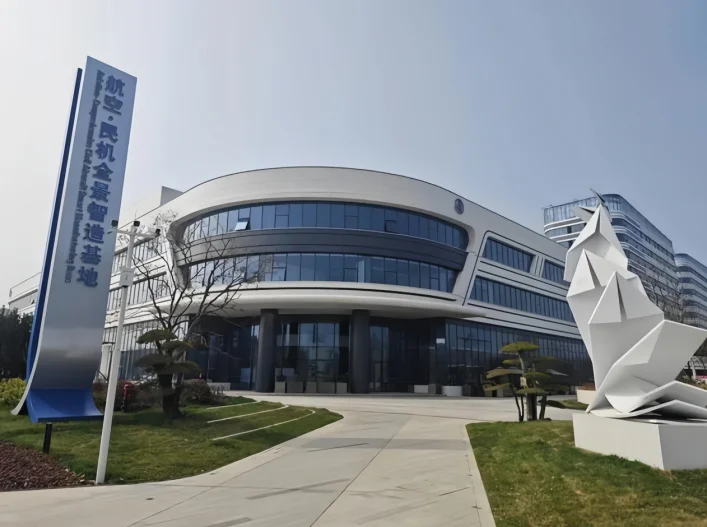
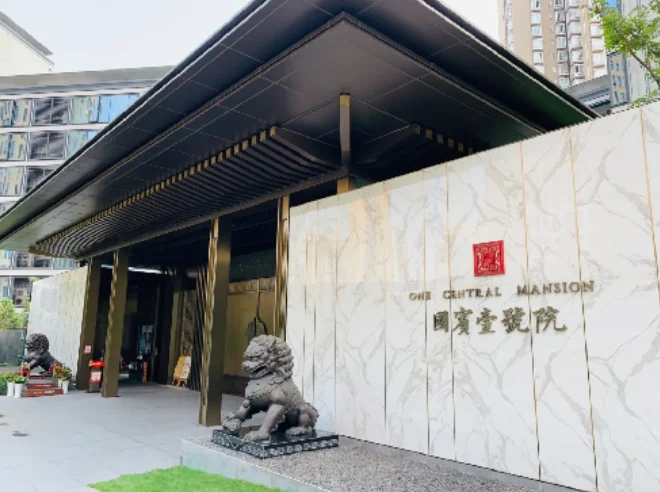

With advanced manufacturing and rigorous quality control, Homedin delivers consistent product quality and responsive after-sales support. We welcome partners worldwide to visit our factory and discuss collaboration.