Clear records
history record

How Self Leveling Support Pedestal Improves Outdoor Deck Stability
Outdoor flooring projects often appear simple from the surface, but the supporting system underneath determines whether the finished structure remains level, stable, and durable over time. For contractors and project buyers, traditional support solutions can create challenges when dealing with uneven ground, complex installation conditions, and long-term structural loads.
Conventional pedestal systems usually require manual adjustment at multiple support points to achieve a consistent surface level. On large terraces, rooftop decks, and landscape platforms, even small height differences between support units can accumulate and cause uneven flooring, unstable panels, or additional maintenance requirements after installation.
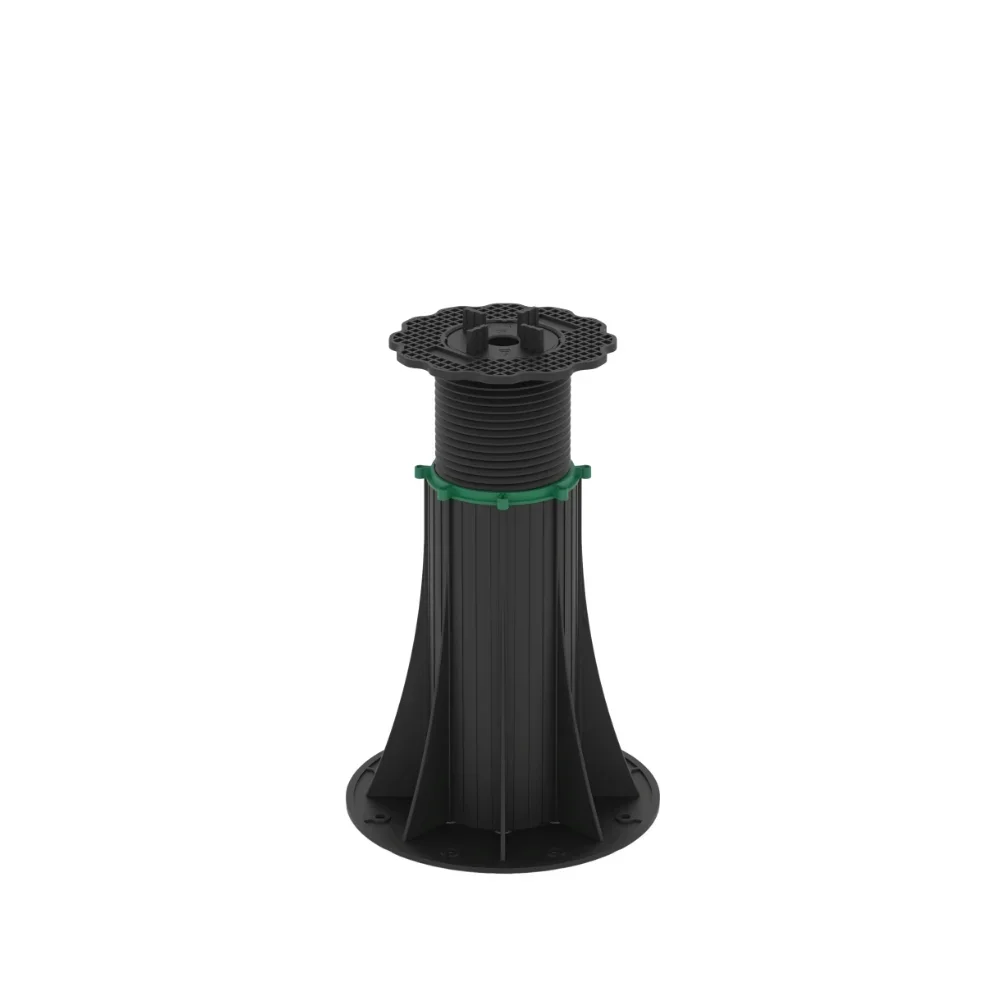
A high-performance Self Leveling Support Pedestal provides a more advanced approach by automatically compensating for surface slopes and height variations. Instead of relying entirely on manual correction, the self-leveling mechanism helps maintain a balanced support surface, improving the overall accuracy and reliability of outdoor flooring systems.
Why Self Leveling Support Pedestal Provides Better Leveling Accuracy
The main difference between a standard adjustable pedestal and a self-leveling model is the way they handle ground irregularities.
Traditional systems typically depend on installers adjusting each pedestal individually. This method can work on small projects with relatively flat surfaces, but it becomes more challenging when the installation area contains natural slopes, drainage gradients, or uneven substrates.
A Self Leveling Support Pedestal uses a movable support head structure that automatically adapts to changes in the base surface. The adjustment mechanism allows the top platform to remain aligned with the flooring material while the pedestal body maintains stable vertical support.
This design provides several engineering advantages:
Improved surface consistency: The automatic compensation function helps reduce differences between adjacent support points, creating a more uniform finished deck surface.
Reduced leveling errors: Large outdoor platforms require hundreds or thousands of support points. Automatic adjustment minimizes the risk of accumulated installation deviations.
Better load distribution: When flooring panels remain properly supported, pressure is distributed more evenly across the entire system instead of concentrating on individual areas.
For commercial plazas, rooftop gardens, and landscape platforms, maintaining a stable horizontal plane is not only an aesthetic requirement but also an important factor affecting long-term performance.
Selecting the Best Self Leveling Support Pedestal for Different Projects
The Best Self Leveling Support Pedestal is not simply the product with the highest load rating or the lowest purchase price. The correct choice depends on project requirements, including flooring materials, installation height, environmental conditions, and expected loads.
For example, porcelain pavers and natural stone require strong and stable support because these materials have significant weight and limited flexibility. A pedestal system with high compression strength and reliable locking performance helps prevent movement under continuous loads.
For rooftop terraces and elevated gardens, contractors need to consider additional factors such as waterproofing layers, drainage requirements, and exposure to weather conditions. The support system must provide stable elevation while allowing water to flow beneath the flooring surface.
In commercial outdoor spaces, where pedestrian traffic is frequent, the pedestal structure must maintain consistent performance under repeated loading. A well-designed self-leveling mechanism helps reduce movement between panels and improves the overall durability of the installation.
Homedin Industrial Co.,Ltd. is a provider of comprehensive solutions for raised floor and elevated deck systems. The company focuses on the research, production, and sales of high-quality adjustable pedestals and raised floor support systems such as stone supports, floor supports, keel supports, and water feature supports. With professional experience in supporting solutions, Homedin Industrial provides products and technical support for applications including garden landscapes, mirrored water features, rooftop gardens, elevated squares, dry spray landscapes, water fountains, interior decoration, balcony decoration, booth construction, and prefabricated buildings.
Through continuous product development and manufacturing improvement, Homedin Industrial aims to provide reliable support systems that meet the requirements of different architectural and landscaping projects.
Understanding the Value of Self Leveling Support Pedestal for Sale
When purchasing a Self Leveling Support Pedestal for Sale, professional buyers usually evaluate more than the initial product cost. The long-term value of a pedestal system depends on whether it can maintain performance throughout the entire service life of the project.
Several factors influence product selection and pricing:
Material Performance
High-quality pedestals are generally manufactured using engineering-grade polypropylene or reinforced composite materials. These materials provide the necessary balance between strength, impact resistance, and outdoor durability.
For outdoor applications, material stability is especially important because support systems are exposed to sunlight, temperature changes, moisture, and seasonal weather conditions. UV-resistant materials help reduce degradation caused by prolonged outdoor exposure.
Height Adjustment Range
Different projects require different installation heights. Low-profile applications such as balcony flooring may require compact support units, while rooftop gardens and elevated platforms may need greater height adjustment capability.
A wider adjustment range allows the same support system to adapt to more project conditions, reducing limitations during design and construction.
Load Capacity and Structural Design
Load-bearing performance is one of the most important factors when selecting a pedestal system. Engineers need to consider not only the maximum static load but also long-term loading conditions.
A reliable Self Leveling Support Pedestal should maintain structural stability under continuous pressure without excessive deformation. The support head design, base diameter, material strength, and connection structure all influence overall load performance.
Environmental Resistance
Outdoor support systems must withstand moisture, temperature variation, and chemical exposure. Waterproof and corrosion-resistant characteristics are especially important for projects near pools, fountains, coastal environments, and landscaped areas.
Key Specifications That Define Long-Term Performance
For contractors and procurement teams, evaluating technical specifications provides a clearer understanding of product reliability.
Important indicators include:
Load capacity: Determines whether the pedestal can support specific flooring materials and expected traffic conditions.
Height adjustment range: Defines the installation flexibility for different structural requirements.
Material strength: Affects compression resistance, impact resistance, and service life.
UV and weather resistance: Ensures stable performance in outdoor environments.
Service life: Reflects the ability of the support system to maintain function over years of exposure and loading.
A quality pedestal system should not only solve installation challenges but also protect the entire flooring structure throughout its lifespan.
Conclusion
The performance of an outdoor flooring system depends heavily on the reliability of the supporting structure beneath it. Compared with traditional adjustable supports, a Self Leveling Support Pedestal provides a more precise solution by automatically compensating for uneven surfaces, improving leveling accuracy, and supporting more stable long-term performance.
For contractors, architects, and project purchasers, selecting the right pedestal system means considering more than price alone. Material quality, load capacity, adjustment capability, and environmental resistance all influence the final performance of the completed project.
By focusing on these technical factors, high-quality self-leveling support systems can help create safer, more durable, and more consistent outdoor flooring solutions for residential, commercial, and architectural applications.
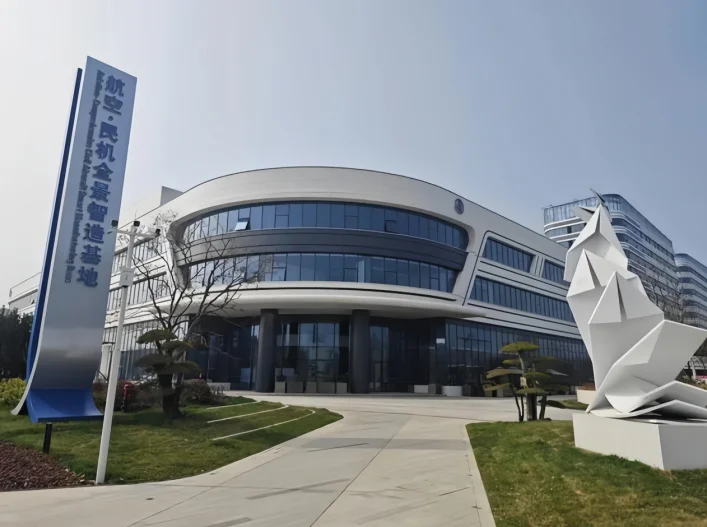
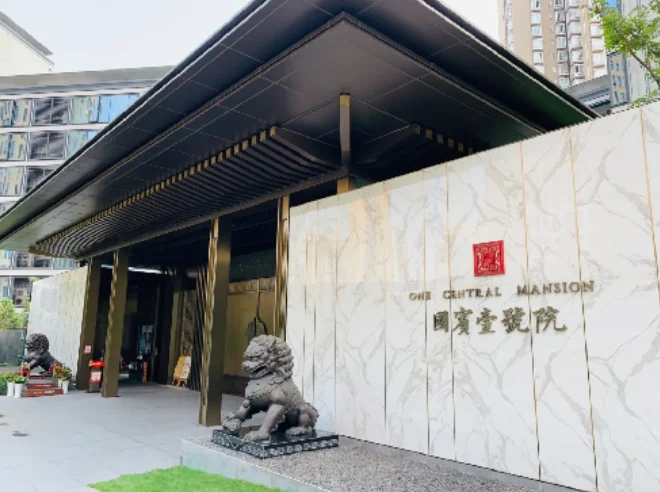

With advanced manufacturing and rigorous quality control, Homedin delivers consistent product quality and responsive after-sales support. We welcome partners worldwide to visit our factory and discuss collaboration.
Frequently Asked Questions
What is an adjustable pedestal used for?
An adjustable pedestal (also called a deck support or paver pedestal) raises tiles, decking boards, timber or stone above the substrate to create a level, ventilated and drained raised floor. Common uses are rooftops, terraces, balconies, plazas and pool decks.
How much weight can an adjustable pedestal support?
HOMEDIN pedestals are SGS load-tested: the HE Series up to 2,000 kg per support, the B Series 2.5–3.5 t, and the S Series rubber shim ≥3,152 kg. Always size by worst-case point load and support spacing.
What height range do adjustable pedestals cover?
Typical pedestals adjust from about 20 mm up to 260–392 mm; extension rings push heights further (B Series to 480 mm, HE Series to 392 mm). Pick the model by your required finished-floor height.
Can adjustable pedestals handle sloped or uneven surfaces?
Yes. Self-leveling heads (HOMEDIN XA rubber / XB plastic) compensate slopes up to 5%, and shim pads level minor irregularities — ideal for retrofit balconies and uneven substrates.
Are HOMEDIN pedestals certified and suitable for outdoor use?
Yes. Bodies are UV-stabilised PP or PP+glass-fibre (TPE/EPDM rubber for the S Series), rated from −30 °C to +120 °C, and verified by SGS, CE, RoHS and REACH.