Clear records
history record

How to Choose the Right PP Pedestal Support for Terrace Balcony Projects: Load Capacity, Height Adjustment, and Drainage Tips
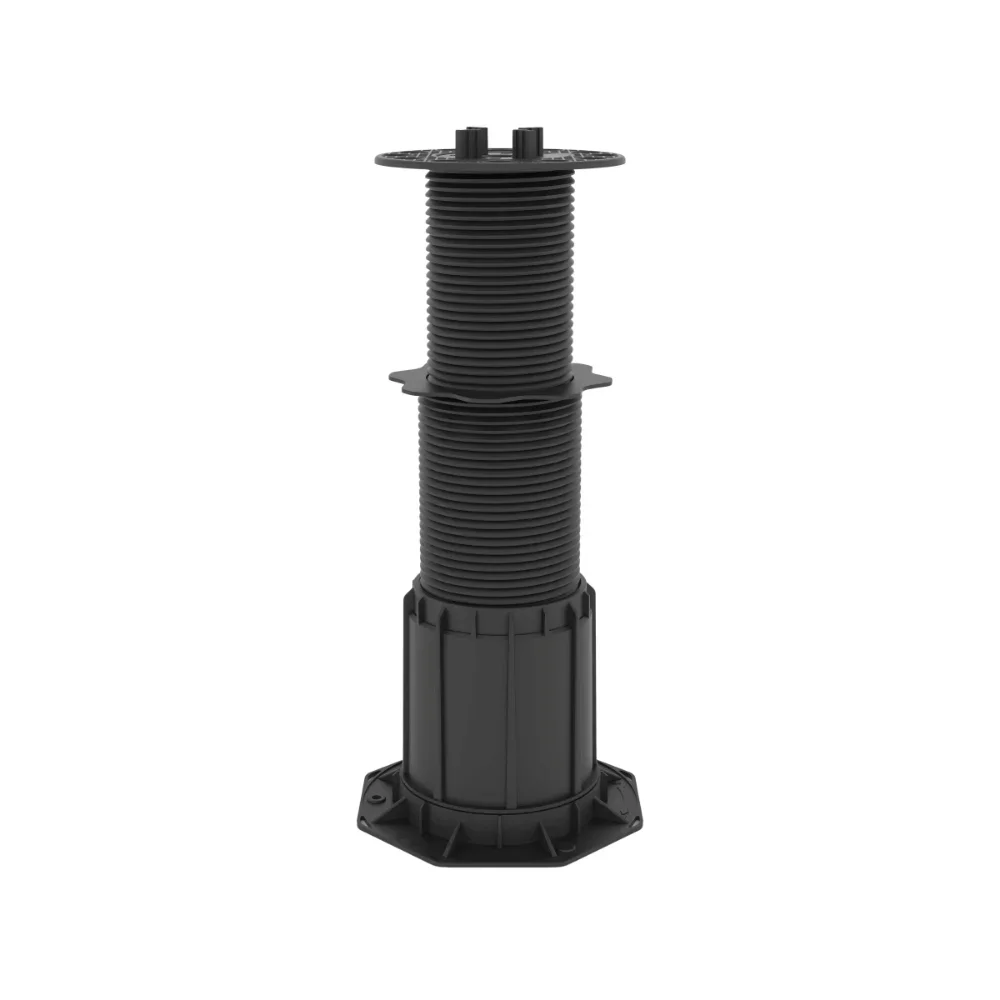
Selecting the right PP pedestal support for terrace balcony projects directly impacts structural stability, durability, and long-term performance. Proper pedestal selection ensures safe load-bearing, precise height alignment, and efficient water management for terraces, rooftop gardens, elevated squares, or balcony renovations. Homedin Industrial Co., Ltd. provides high-quality adjustable pedestal products, offering customizable solutions for professional terrace and balcony applications.
This guide provides actionable strategies for choosing, installing, and maintaining pedestal supports to maximize performance and longevity.
1. Load Capacity Considerations
Pedestals must withstand the combined weight of flooring materials, live loads, planters, and environmental factors. Homedin PP pedestal supports are engineered with high-strength polypropylene capable of sustaining heavy loads while maintaining stability.
Evaluation approach: Calculate the total expected load per square meter and select pedestals rated above this threshold to maintain a safety margin.
Heavy-traffic terraces: For rooftop gardens or frequently used balconies, choose pedestals rated for at least 800–1000 kg/m².
Even load distribution: Ensure pedestals are evenly spaced according to tile or decking size to prevent localized stress and sagging.
Correct load planning reduces deformation risk, prevents premature material failure, and enhances the overall durability of terrace flooring systems.
2. Height Adjustment and Leveling
Precise height adjustment ensures a level surface, accommodates substrate slopes, and maintains drainage flow.
Adjustable ranges: Homedin PP pedestals offer a wide height range suitable for terraces with uneven surfaces or required drainage slopes.
Installation tip: Use laser levels or spirit levels during installation to maintain uniform height across the terrace.
Slope compensation: Pedestals with extended adjustable ranges allow for larger height variations without compromising stability.
Effective height management minimizes material stress, enhances aesthetic appeal, and facilitates proper water runoff.
3. Drainage Management
Terrace drainage is critical to preventing water accumulation, structural damage, and material deterioration.
Integrated drainage features: Homedin PP pedestals are designed with channels and spacing that guide water flow and prevent ponding.
Slope alignment: Maintain a minimum slope of 1–2% to direct water toward drains, ensuring the terrace surface remains dry and safe.
Maintenance: Clear debris from drainage channels periodically to preserve optimal flow.
Proper drainage management prevents hydrostatic pressure on the flooring system, reduces long-term maintenance, and protects the structural integrity of terraces and balconies.
4. Material Durability
Polypropylene (PP) pedestals must withstand UV exposure, temperature fluctuations, and environmental wear. Homedin pedestals combine high-strength PP with stabilizers to ensure:
UV resistance: Maintains material strength and prevents color fading over time.
Impact resistance: Tolerates heavy objects or foot traffic without cracking.
Chemical resistance: Compatible with fertilizers, cleaning agents, and rooftop landscaping conditions.
Durable material selection ensures minimal maintenance and long-term performance in outdoor applications.
5. Compatibility with Flooring Systems
Pedestals must accommodate tiles, decking, or stone slabs safely:
Surface interface: Pedestal heads should fully support flooring materials and prevent lateral movement.
Anti-slip design: Grooved or textured pedestal tops improve tile and board stability.
Load distribution: Ensure even distribution to prevent cracking or deformation of flooring materials.
Correct compatibility enhances both safety and installation efficiency, creating a stable and reliable terrace surface.
6. Customization Options
Homedin PP pedestals provide adaptable solutions for specific project requirements:
Height extensions and risers: Accommodate terraces or balconies with irregular surfaces.
Load capacity adjustment: Tailored to support heavier planters, fountains, or high-traffic areas.
Accessory integration: Spacer clips, alignment guides, and drainage connectors streamline installation and improve performance.
Customizable options allow professional teams to implement tailored solutions for complex or unique terrace and balcony layouts.
7. Installation Best Practices
Efficient and safe installation prolongs pedestal life and enhances terrace performance:
Base preparation: Ensure substrates are level, clean, and structurally sound.
Height alignment: Use laser levels for consistent pedestal height.
Floor placement: Distribute tiles or decking materials evenly, avoiding concentrated pressure points.
Periodic adjustment: Inspect pedestals after initial installation for settling or movement and adjust as needed.
Proper installation ensures surface stability, maintains drainage slopes, and prevents early wear or displacement.
8. Maintenance Strategies
Routine maintenance improves pedestal longevity and terrace safety:
Visual inspection: Check for cracks, deformations, or misaligned pedestals.
Cleaning: Remove debris and sediment from pedestal channels to preserve drainage efficiency.
Re-tightening: Adjust height and alignment after heavy use or seasonal weather shifts.
Replacement: Swap damaged pedestals promptly to maintain overall surface integrity.
Consistent maintenance reduces repair costs and ensures the terrace remains safe and functional over time.
9. Safety and Compliance
Pedestal supports must comply with structural safety standards to prevent accidents:
Load verification: Confirm pedestals meet required weight specifications for tiles, decking, and live loads.
Stability checks: Ensure no lateral movement occurs under heavy foot traffic or furniture placement.
Professional guidance: Follow manufacturer recommendations and local building codes to guarantee compliance.
Adhering to safety standards mitigates risk and protects users in school, commercial, or residential terrace projects.
10. Cost-Effectiveness and Project Efficiency
Investing in high-quality PP pedestal supports offers long-term savings:
Durable materials: Reduce frequency of replacement and repairs.
Ease of installation: Minimize labor costs and project delays.
Maintenance simplicity: Lowers long-term operational costs.
Combining high-quality pedestals with correct installation and maintenance ensures cost-effective, safe, and durable terrace and balcony solutions.
Conclusion
Choosing the right PP pedestal support for terrace balcony projects involves careful consideration of load capacity, height adjustment, drainage, and material durability. Homedin Industrial Co., Ltd. delivers high-quality, customizable pedestal supports designed to meet the demands of rooftop gardens, elevated squares, and balcony renovations.
Following proper selection, installation, and maintenance strategies guarantees long-term reliability, structural safety, and optimized drainage performance, creating functional, safe, and visually appealing terrace environments.
FAQ
Q1: What load capacity should PP pedestal supports have for rooftop terraces?
Pedestals should accommodate both flooring weight and live loads, typically 800–1000 kg/m² for heavily trafficked areas.
Q2: How important is height adjustment in pedestal selection?
Critical for leveling, slope management, and ensuring proper drainage across terraces and balconies.
Q3: Can PP pedestals handle outdoor weather exposure?
Yes, high-strength polypropylene with UV stabilizers ensures durability under sunlight, rain, and temperature changes.
Q4: Are these pedestals compatible with different flooring materials?
Yes, they support tiles, decking, stone slabs, and other terrace materials with anti-slip and load-distributing features.
Q5: What maintenance is required for PP pedestal supports?
Routine inspections, debris removal, alignment checks, and replacement of damaged pedestals maintain performance and longevity.
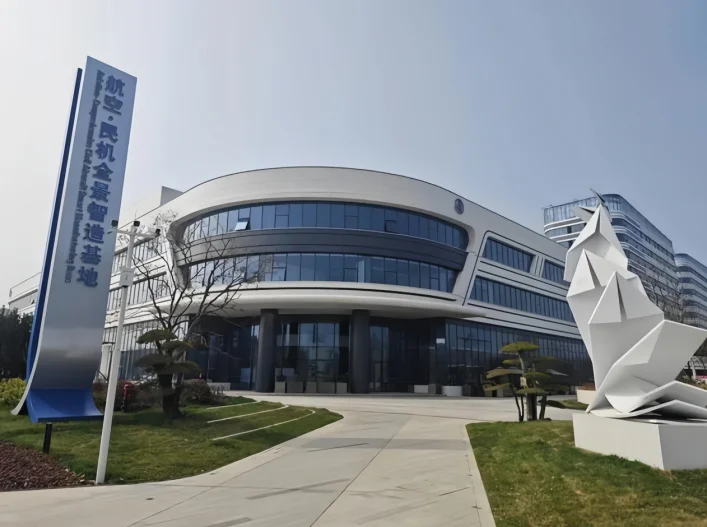
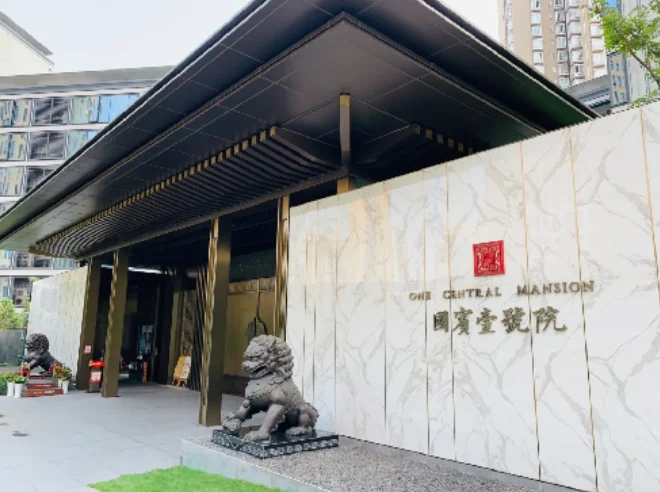

With advanced manufacturing and rigorous quality control, Homedin delivers consistent product quality and responsive after-sales support. We welcome partners worldwide to visit our factory and discuss collaboration.
Frequently Asked Questions
What is an adjustable pedestal used for?
An adjustable pedestal (also called a deck support or paver pedestal) raises tiles, decking boards, timber or stone above the substrate to create a level, ventilated and drained raised floor. Common uses are rooftops, terraces, balconies, plazas and pool decks.
How much weight can an adjustable pedestal support?
HOMEDIN pedestals are SGS load-tested: the HE Series up to 2,000 kg per support, the B Series 2.5–3.5 t, and the S Series rubber shim ≥3,152 kg. Always size by worst-case point load and support spacing.
What height range do adjustable pedestals cover?
Typical pedestals adjust from about 20 mm up to 260–392 mm; extension rings push heights further (B Series to 480 mm, HE Series to 392 mm). Pick the model by your required finished-floor height.
Can adjustable pedestals handle sloped or uneven surfaces?
Yes. Self-leveling heads (HOMEDIN XA rubber / XB plastic) compensate slopes up to 5%, and shim pads level minor irregularities — ideal for retrofit balconies and uneven substrates.
Are HOMEDIN pedestals certified and suitable for outdoor use?
Yes. Bodies are UV-stabilised PP or PP+glass-fibre (TPE/EPDM rubber for the S Series), rated from −30 °C to +120 °C, and verified by SGS, CE, RoHS and REACH.