
Clear records
history record

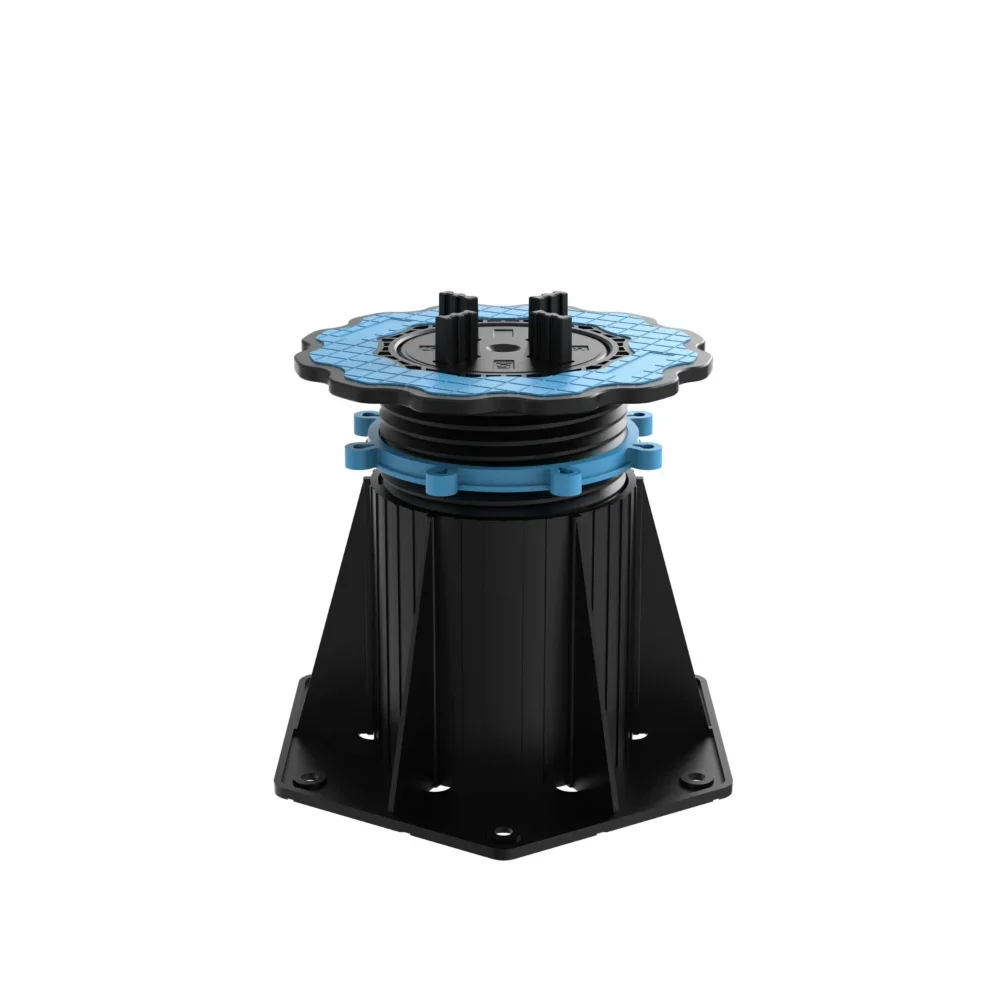
Pedestal Support for Garden Landscape Paving Installation Guide: Planning Layout, Height Adjustment, and Drainage Optimization Tips
Creating a durable, aesthetically pleasing garden landscape requires careful attention to both design and installation techniques. Pedestal support for garden landscape paving offers a practical solution for elevated terraces, rooftop gardens, patios, and outdoor walkways, providing stability, height adjustability, and improved drainage. Properly installed pedestal supports ensure that paving materials remain level over time, resist shifting, and maintain a clean, visually appealing surface. Choosing high-quality pedestal systems and applying strategic installation practices can save significant maintenance costs while enhancing overall landscape functionality. Providers like Homedin Industrial deliver robust, versatile pedestal solutions suitable for diverse garden and outdoor paving projects, ensuring reliability, ease of adjustment, and long-term stability.
Planning the Layout for Pedestal-Supported Paving
A thoughtful layout plan is the foundation of any successful paving project. Pedestal supports allow flexibility in creating level surfaces over uneven substructures, accommodating slopes, and preserving drainage paths. Key planning steps include:
Survey the Site: Evaluate the terrain, slope, and existing drainage patterns to determine pedestal placement.
Spacing and Load Distribution: Position pedestal supports to evenly distribute weight and prevent surface deflection. For standard pavers, spacing of 50–60 cm between pedestals is recommended, but adjustments depend on paver size and material weight.
Integration with Landscape Design: Align pedestal layout with garden features, water fountains, planters, and pathways to maintain visual cohesion.
Homedin Industrial provides adjustable pedestals with universal compatibility, making it easier to adapt layout planning to both rectangular and irregular paving shapes while maintaining uniform surface levels.
Height Adjustment Techniques for Level Surfaces
One of the main advantages of pedestal systems is height adjustability, allowing precise leveling over uneven surfaces. Proper adjustment ensures safety, drainage efficiency, and aesthetic quality. Best practices include:
Base Leveling: Begin by placing pedestals at lowest elevation points, gradually building height using adjustable screw mechanisms.
Gradual Increment: Avoid abrupt height differences between adjacent pedestals to prevent surface stress or cracking.
Check Alignment: Use laser levels or spirit levels during installation to maintain even paver height and minimize visual irregularities.
Adjustable pedestals from Homedin Industrial feature secure locking mechanisms and robust threaded columns, providing fine-tuned adjustments for both minor leveling and significant elevation differences.
Optimizing Drainage for Long-Term Performance
Effective drainage prevents water accumulation that can cause erosion, paver displacement, or moss growth. Pedestal supports elevate pavers, creating a gap for water runoff and facilitating maintenance access. Drainage optimization tips include:
Maintain Slope: Even a slight slope of 1–2% helps direct water to drains or garden beds.
Allow Drainage Gaps: Ensure pedestals provide sufficient spacing between the substructure and paver bottom for water flow.
Install Drainage Channels: In larger terraces or elevated platforms, integrate channels or piping to manage heavy rainfall efficiently.
Regular Inspection: Check for debris or blockages under pedestals to maintain continuous drainage.
By combining height adjustment with drainage planning, pedestal-supported surfaces remain dry, stable, and safe for foot traffic while extending the life of paving materials.
Material Selection and Stability Considerations
Durability and resistance to environmental factors are crucial for outdoor pedestal systems. Look for:
UV-Resistant Materials: Prevent degradation from sun exposure.
Load-Bearing Capacity: Ensure pedestals can support pavers and additional loads such as planters or furniture.
Anti-Slip Base: Stabilizes the pedestal on diverse substrates including concrete, tiles, or gravel.
Homedin Industrial’s pedestals are engineered for long-term outdoor use, combining high-quality plastics, reinforced cores, and anti-slip bases for maximum stability and minimal maintenance.
Practical Installation Tips
Preassemble Components: Organize pedestals, screws, and spacers before installation.
Follow Manufacturer Guidelines: Adhere to specified weight limits and spacing recommendations.
Adjust Gradually: Make incremental height adjustments to avoid over-tightening or destabilizing adjacent pedestals.
Inspect Regularly: Conduct periodic checks for levelness and stability, particularly after heavy rainfall or seasonal changes.
Consider Customization: For complex designs, choose pedestals with adjustable top heads, height ranges, and compatibility with multiple paver types.
FAQ: Common Questions About Pedestal Support for Garden Landscape Paving
Q1: Can pedestal supports be used on sloped surfaces?
Yes. Adjustable pedestals allow precise leveling over uneven or sloped substructures, maintaining surface stability.
Q2: How do pedestals improve drainage?
By elevating pavers, they create a gap for water runoff, preventing accumulation, erosion, and moss growth.
Q3: Are the pedestals durable for outdoor exposure?
High-quality pedestal systems, such as those from Homedin Industrial, use UV-resistant materials and reinforced cores for long-term outdoor use.
Q4: Can I adjust the pedestal height after installation?
Yes. Many pedestal systems feature screw adjustments or modular extensions, allowing fine-tuning even post-installation.
Q5: Are pedestals compatible with different paving materials?
Absolutely. adjustable pedestal pedestals accommodate stone, concrete, wood, or composite decking, providing flexible installation options.
Conclusion
Installing a pedestal support for garden landscape paving is an effective strategy to achieve level, stable, and well-drained outdoor surfaces. Proper planning, careful height adjustment, drainage optimization, and material selection ensure long-term performance, safety, and visual appeal. Homedin Industrial offers high-quality pedestal solutions designed for a variety of landscaping projects, from rooftop gardens and patios to elevated walkways and water features. By following best installation practices, property owners and contractors can enhance aesthetic value, improve functionality, and extend the lifespan of their garden paving installations.



With advanced manufacturing and rigorous quality control, Homedin delivers consistent product quality and responsive after-sales support. We welcome partners worldwide to visit our factory and discuss collaboration.
Frequently Asked Questions
What is an adjustable pedestal used for?
An adjustable pedestal (also called a deck support or paver pedestal) raises tiles, decking boards, timber or stone above the substrate to create a level, ventilated and drained raised floor. Common uses are rooftops, terraces, balconies, plazas and pool decks.
How much weight can an adjustable pedestal support?
HOMEDIN pedestals are SGS load-tested: the HE Series up to 2,000 kg per support, the B Series 2.5–3.5 t, and the S Series rubber shim ≥3,152 kg. Always size by worst-case point load and support spacing.
What height range do adjustable pedestals cover?
Typical pedestals adjust from about 20 mm up to 260–392 mm; extension rings push heights further (B Series to 480 mm, HE Series to 392 mm). Pick the model by your required finished-floor height.
Can adjustable pedestals handle sloped or uneven surfaces?
Yes. Self-leveling heads (HOMEDIN XA rubber / XB plastic) compensate slopes up to 5%, and shim pads level minor irregularities — ideal for retrofit balconies and uneven substrates.
Are HOMEDIN pedestals certified and suitable for outdoor use?
Yes. Bodies are UV-stabilised PP or PP+glass-fibre (TPE/EPDM rubber for the S Series), rated from −30 °C to +120 °C, and verified by SGS, CE, RoHS and REACH.