
Clear records
history record

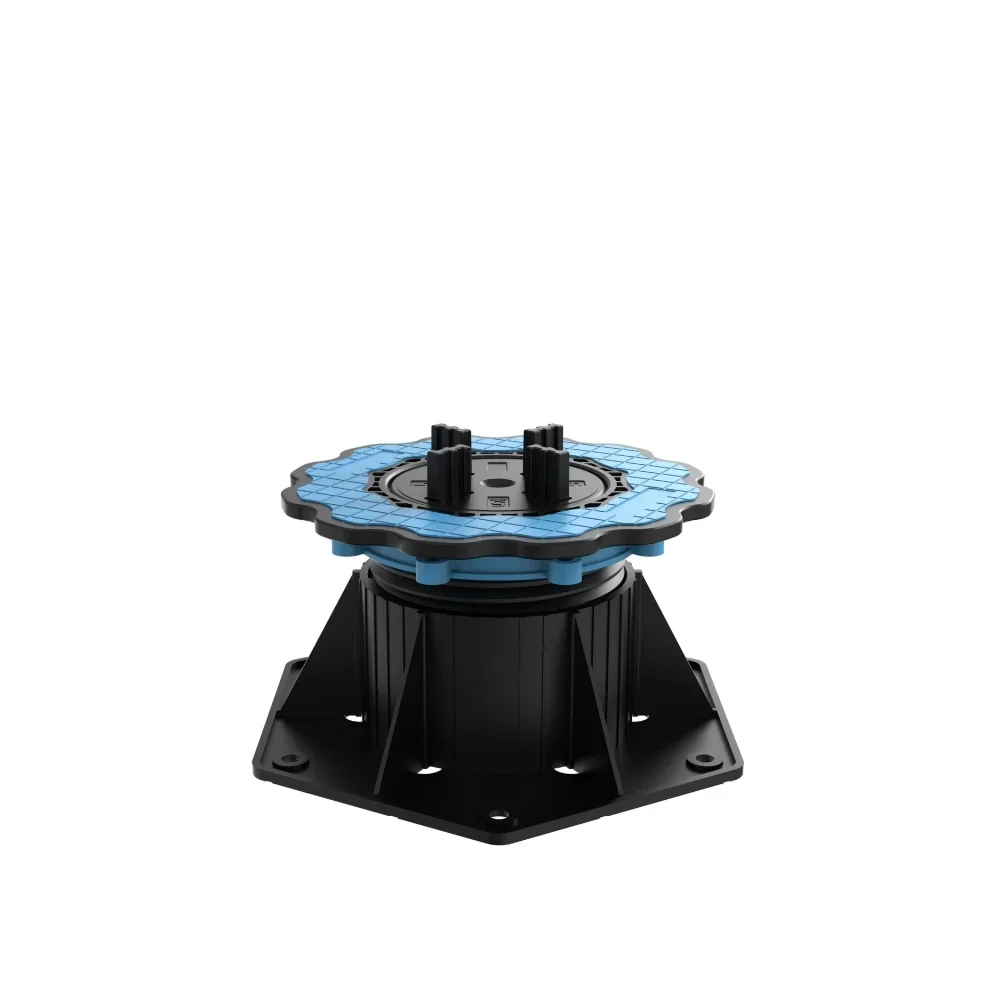
Practical Tips for Adjusting Height and Level of Pedestal Systems for Swimming Pool Decking Tiles for a Perfectly Even Surface
Creating a safe, visually appealing, and durable swimming pool area begins with the proper installation of pedestal systems for swimming pool decking tiles. Homedin Industrial Co., Ltd. has been at the forefront of providing adjustable pedestal solutions, specializing in stone supports, floor supports, and keel systems for elevated surfaces. With a strong focus on precision, durability, and technical guidance, Homedin ensures that every pedestal system is engineered to deliver stability, accurate leveling, and long-lasting performance for pool decks, terraces, and other elevated surfaces.
A poorly leveled pool deck can lead to water accumulation, tile cracking, and safety hazards. By applying practical techniques for adjusting the height and level of pedestal systems, installers can achieve a perfectly even surface that ensures longevity, aesthetic uniformity, and safety compliance.
Step 1: Selecting the Right Pedestal System
The foundation of a perfectly even pool deck starts with choosing the correct pedestal system:
Material quality: Homedin’s pedestals are constructed from high-strength, UV-resistant materials that resist deformation under heavy loads or prolonged sun exposure.
Adjustable height: Systems feature a wide range of height adjustments to accommodate slope variations and drainage requirements.
Load capacity: Each pedestal is rated to support multiple layers of decking tiles while allowing for safe weight distribution.
Compatibility: Ensure the pedestal design matches the tile thickness, spacing, and deck layout for uniform support.
Choosing the appropriate pedestal system minimizes alignment challenges and prevents uneven surfaces.
Step 2: Preparing the Pool Deck Base
A well-prepared base ensures a stable, level deck:
Clean the surface: Remove debris, loose materials, or vegetation from the installation area.
Slope considerations: Account for drainage; pedestals can compensate for slight variations in slope while maintaining tile level.
Base reinforcement: For soft or uneven substrates, consider compacting the ground or adding a stable underlayment to prevent pedestal settlement.
Layout planning: Pre-mark pedestal positions to match tile size, ensuring a balanced distribution of weight and spacing.
Proper base preparation reduces installation errors and improves long-term stability.
Step 3: Adjusting Pedestal Height
Precise height adjustment is critical for an even surface:
Incremental adjustment: Raise or lower each pedestal gradually, starting from the lowest point and working outward to match the desired deck height.
Height tools: Use laser levels, spirit levels, or specialized leveling gauges to verify uniform height across the deck.
Slope adaptation: For sloped surfaces, adjust pedestal heights progressively to maintain tile alignment and effective water drainage.
Locking mechanisms: Many Homedin pedestals feature secure locking systems to maintain the adjusted height under load.
Correct height adjustment ensures a smooth, flat surface without excessive gaps or uneven tiles.
Step 4: Ensuring Lateral Level and Alignment
Evenly aligned tiles prevent wobbling and ensure aesthetic consistency:
Use cross-leveling techniques: Align adjacent pedestals in both horizontal directions using string lines or leveling tools.
Spacing consistency: Maintain equal gaps between pedestals to support tile edges evenly and prevent overhang stress.
Tile trial placement: Temporarily place tiles on pedestals before final tightening to verify alignment and identify adjustments.
Adjust incrementally: Small corrections to pedestal legs prevent stress on tile edges and avoid misalignment over time.
Uniform lateral leveling is essential for a professional-looking pool deck and to minimize future maintenance.
Step 5: Securing Pedestals and Tiles
Once height and alignment are verified, secure the pedestals and decking tiles:
Tighten locking mechanisms: Ensure adjustable pedestals are firmly locked in place to resist movement under weight or thermal expansion.
Check stability: Press down on tiles to verify that no wobbling occurs; adjust pedestals as necessary.
Edge and corner reinforcement: Use additional support for outer edges and corners where tile overhang may occur.
Drainage verification: Confirm that pedestal adjustments maintain appropriate slope for water runoff without pooling around tiles.
Properly secured pedestals prevent shifting, tile damage, and uneven surfaces over time.
Step 6: Maintenance and Adjustment Tips
Regular maintenance ensures the pedestal system continues to perform optimally:
Periodic inspection: Check for settlement, loosening, or deformation of pedestals, particularly after heavy use or extreme weather.
Height recalibration: Re-adjust pedestals as needed to maintain a flat, even surface.
Debris management: Remove dirt, leaves, or standing water that could compromise pedestal stability or tile integrity.
Replacement strategy: Keep spare pedestals on hand for quick replacement of damaged units, ensuring uninterrupted deck usability.
Routine care maintains safety, aesthetic consistency, and extends the lifespan of the deck.
Step 7: Customization for Professional Projects
Homedin Industrial offers tailored solutions to meet unique project requirements:
Variable pedestal heights: Accommodate complex slopes or water feature integration.
Load-specific designs: Pedestals rated for heavier stone tiles or composite decking.
Aesthetic options: Color-coded or capped pedestals for seamless visual integration with deck tiles.
Accessory integration: Supports for drains, LED lighting, or railing posts embedded within pedestal layout.
Customization ensures the deck meets design specifications and provides a high-quality user experience.
FAQ Section
Q1: How do I ensure the deck remains perfectly level over time?
A: Regularly inspect pedestal alignment, re-tighten locking mechanisms, and adjust heights as necessary to compensate for settling or substrate shifts.
Q2: Can pedestal systems handle outdoor weather exposure?
A: Yes. Homedin pedestals are UV-resistant, corrosion-resistant, and designed to withstand temperature variations and moisture.
Q3: What tools are recommended for accurate leveling?
A: Laser levels, spirit levels, and leveling gauges provide precision during installation.
Q4: Are the pedestal heights adjustable after tile installation?
A: Yes. Many systems allow minor adjustments post-installation to maintain a uniform surface or correct minor settlement.
Conclusion
Achieving a perfectly even swimming pool deck requires meticulous adjustment of pedestal systems for swimming pool decking tiles. By selecting the right pedestals, preparing a stable base, fine-tuning height and lateral alignment, and securing tiles properly, installers can ensure long-term performance, aesthetic consistency, and safety. Homedin Industrial Co., Ltd. provides high-quality adjustable pedestal products and professional guidance to streamline installation, maximize durability, and deliver flawless results for residential, commercial, or large-scale projects.


With advanced manufacturing and rigorous quality control, Homedin delivers consistent product quality and responsive after-sales support. We welcome partners worldwide to visit our factory and discuss collaboration.