
Clear records
history record

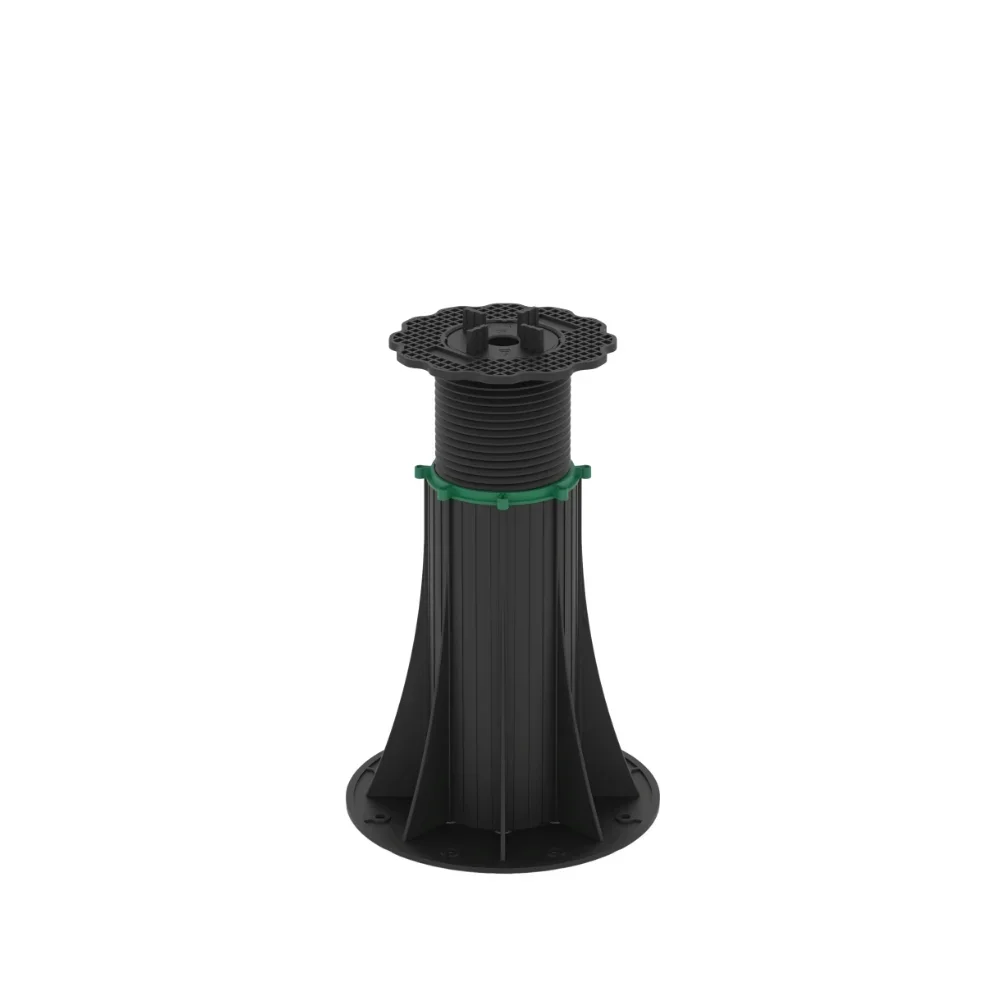
Top Tips for Maintaining Adjustable Pedestals for Tiles to Prevent Shifting, Uneven Surfaces, and Structural Issues
Adjustable pedestals for tiles are essential in creating level outdoor surfaces, rooftop decks, terraces, and raised flooring systems. Proper maintenance ensures that tiles remain stable, surfaces stay even, and structural integrity is preserved over time. Homedin Industrial specializes in high-quality adjustable pedestals for tiles and provides professional technical guidance to maintain long-lasting performance in demanding applications.
This guide provides practical strategies for maintaining adjustable pedestal for tiles systems, covering installation checks, load management, periodic inspections, environmental considerations, reinforcement techniques, and preventative measures.
Ensuring Proper Installation
Correct installation is the first step to avoiding shifting and uneven tiles:
Base Preparation: Ensure the supporting surface is clean, flat, and free from debris before installing pedestals. Uneven bases can cause localized stress on tiles.
Level Adjustment: Use precise leveling tools to set each pedestal to the correct height and ensure uniform alignment across the area.
Pedestal Spacing: Follow manufacturer recommendations for spacing to distribute tile weight evenly and avoid overloading individual pedestals.
| Installation Aspect | Recommended Action | Benefit |
|---|---|---|
| Base Surface | Clean, flat, debris-free | Prevents localized tilting or settlement |
| Pedestal Height | Level each pedestal precisely | Ensures even tile surfaces |
| Spacing | Manufacturer-recommended spacing | Reduces risk of shifting and stress points |
Load Management and Weight Distribution
Pedestals must be used within their load capacity to prevent structural issues:
Weight Limits: Verify that each pedestal is suitable for the tiles and any additional load from furniture, planters, or foot traffic.
Even Distribution: Avoid clustering heavy objects on a small area; distribute weight evenly to prevent tilting or deformation.
Dynamic Loads: Consider temporary loads, such as moving furniture or installation equipment, and adjust pedestal positions if necessary.
| Load Consideration | Action | Result |
|---|---|---|
| Maximum Load | Check pedestal specifications | Prevents over-compression and deformation |
| Distribution | Evenly distribute heavy items | Maintains tile stability |
| Dynamic Loads | Monitor during movement or installation | Reduces risk of shifting |
Regular Inspection and Maintenance
Periodic inspections identify potential issues before they become serious problems:
Visual Checks: Look for signs of pedestal movement, tilting, or wear in the base and adjustable threads.
Level Verification: Use a level tool to confirm tiles remain even. Adjust pedestals if minor settling occurs.
Hardware Condition: Inspect screws, locking mechanisms, and base plates for damage or loosening. Replace worn components promptly.
Graphical Note: A maintenance checklist table can help track pedestal inspections and corrective actions for large installations.
Environmental Considerations
Outdoor pedestals face exposure to weather, temperature fluctuations, and moisture:
Drainage Management: Ensure proper water runoff to prevent pooling around pedestal bases, which can cause settling.
UV Exposure: Some pedestals use UV-resistant plastics; inspect surfaces for cracks or discoloration caused by prolonged sun exposure.
Freeze-Thaw Cycles: In colder regions, monitor for heaving due to ground freeze; adjust pedestal heights after winter if needed.
| Environmental Factor | Maintenance Action | Benefit |
|---|---|---|
| Water Accumulation | Improve drainage, remove standing water | Prevents pedestal instability |
| UV Exposure | Inspect for cracks/discoloration | Ensures long-term durability |
| Freeze-Thaw | Check and re-level pedestals | Maintains even surface |
Preventing Shifting and Uneven Surfaces
Maintaining stability involves proactive measures during and after installation:
Tighten Adjustable Threads: Ensure pedestals are properly secured to prevent gradual shifting under load.
Use Compatible Tiles: Heavier tiles or uneven thickness can affect stability; verify compatibility with pedestal specifications.
Periodic Re-Leveling: In high-traffic areas, minor settling may occur; re-level pedestals to maintain a smooth surface.
Structural Reinforcement Techniques
For high-use or large-area installations, reinforcement may be necessary:
Cross Bracing: Install additional supports under larger spans to reduce bending or tilting.
Cluster Pedestal Supports: In areas with concentrated loads, add extra pedestals to distribute weight evenly.
Surface Anchoring: In windy or exposed areas, use mechanical anchoring to prevent pedestal movement.
Practical Tips for Longevity
Schedule seasonal inspections to identify potential issues.
Clean pedestals and tiles to prevent debris accumulation that can affect leveling.
Replace damaged or worn pedestals immediately to prevent cascading structural issues.
Keep a maintenance log for each installation, noting adjustments, replacements, and load changes.
Frequently Asked Questions (FAQ)
Q1: How often should adjustable pedestals be inspected?
A1: For outdoor installations, inspect pedestals at least twice a year and after extreme weather events. High-traffic areas may require quarterly checks to ensure stability.
Q2: Can adjustable pedestals support heavy tiles or stone slabs?
A2: Yes, but it is important to verify the load capacity of the pedestal and evenly distribute the weight across multiple supports to prevent tilting or damage.
Q3: What should I do if tiles start to shift or uneven surfaces appear?
A3: Check the pedestal alignment, tighten adjustable threads, and re-level affected pedestals. For large-area shifts, additional pedestals or reinforcement may be necessary.
Q4: Are there environmental factors that can affect pedestal performance?
A4: Yes, water accumulation, UV exposure, and freeze-thaw cycles can affect pedestal stability. Proper drainage, UV-resistant materials, and seasonal adjustments can mitigate these risks.
Q5: Can pedestals be reused if tiles are replaced?
A5: Yes, high-quality pedestals can be reused, but they should be inspected for wear, cleaned, and re-leveled before reinstalling tiles to ensure consistent performance.
Conclusion
Maintaining adjustable pedestals for tiles requires a proactive and systematic approach. From proper installation, load management, and regular inspections to environmental monitoring and reinforcement, each step contributes to a stable, even, and long-lasting surface. Following these tips helps prevent shifting, uneven surfaces, and structural issues, ensuring your outdoor or raised flooring installations remain safe, durable, and aesthetically pleasing.
By partnering with Homedin Industrial, professionals gain access to high-quality pedestal solutions and technical guidance to maximize both performance and longevity. Implementing structured maintenance routines not only protects your investment but also enhances the overall safety and usability of elevated tile systems.

With advanced manufacturing and rigorous quality control, Homedin delivers consistent product quality and responsive after-sales support. We welcome partners worldwide to visit our factory and discuss collaboration.