Clear records
history record

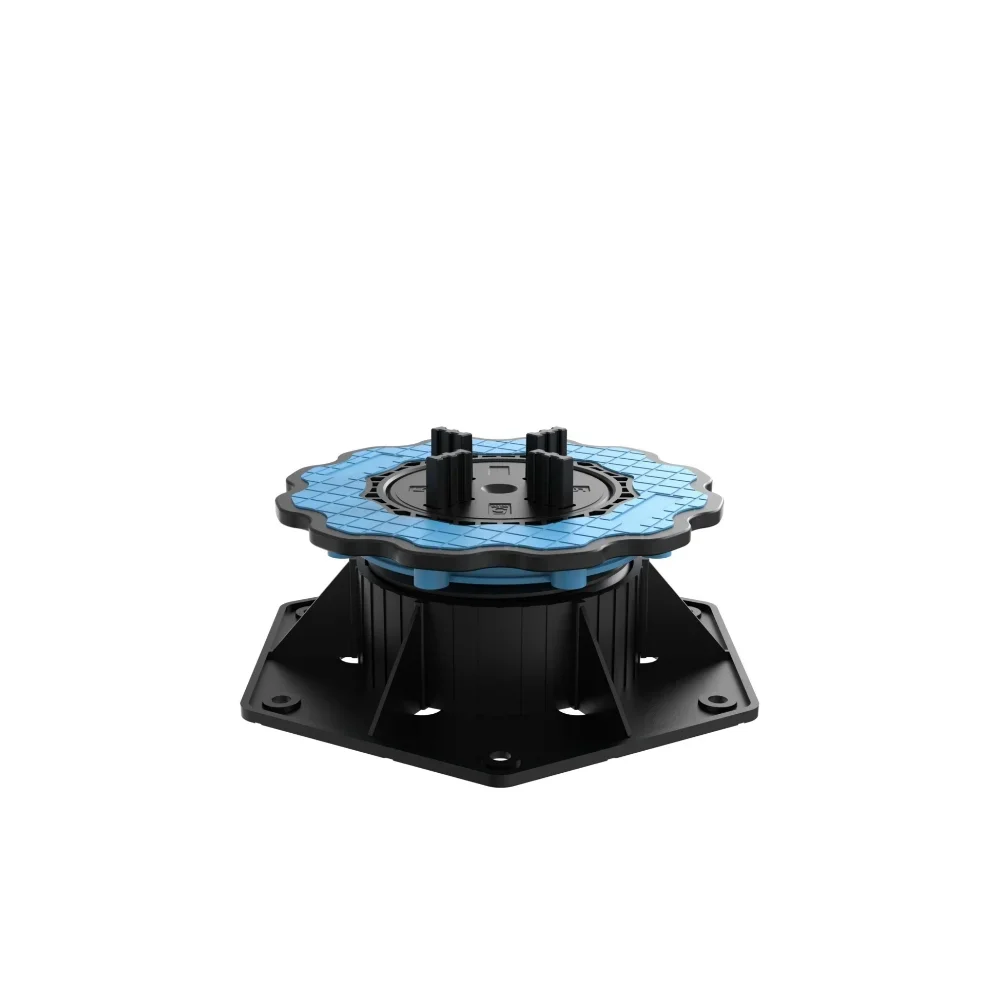
Best pedestal support for rooftop garden: Ensuring Stability, Precision, and Long-Term Reliability
In contemporary landscape architecture and urban design, rooftop gardens have emerged as both functional and aesthetic solutions. For architects, contractors, and project managers, the choice of pedestal support systems is critical in ensuring not only the structural integrity of elevated green spaces but also the long-term durability of various decking materials. The Best pedestal support for rooftop garden and an accurate evaluation of Pedestal support for rooftop garden cost are central concerns for professionals tasked with designing, constructing, and maintaining these specialized outdoor spaces.
Technical Considerations in Pedestal Support Selection
Rooftop environments pose unique challenges: varying slopes, uneven surfaces, fluctuating loads, and exposure to water, UV radiation, and temperature variations. Therefore, pedestal support systems must meet stringent technical criteria:
1. Load Distribution and Structural Stability
High-strength pedestal supports are engineered to evenly distribute static and dynamic loads across the rooftop. Using modular load-bearing designs, each pedestal acts as an independent unit capable of supporting paver, timber, or composite decking while minimizing localized stress points. Engineers can calculate the required pedestal density and arrangement to accommodate live loads, such as maintenance personnel, planters, and furniture, ensuring the deck's overall stability and preventing structural failure. Advanced modeling using finite element analysis (FEA) allows designers to simulate stress distribution and optimize pedestal placement for maximum load efficiency.
2. Adjustable Height Mechanisms
Precision height adjustment is paramount for rooftops with slopes or uneven surfaces. Advanced pedestal systems feature multi-stage micrometric adjustment, often allowing increments as small as 1–2 mm per turn. This level of control enables the creation of perfectly level decking surfaces and provides space for drainage channels without compromising structural support. The adjustable design ensures compatibility with a range of materials and thicknesses, from 20 mm timber panels to 50 mm porcelain tiles. For complex rooftop slopes, some pedestal systems incorporate telescopic or ratchet-style adjustments to accommodate more extreme gradients while maintaining load capacity.
3. Environmental Durability
Exposed rooftop conditions demand pedestal supports made from high-strength, weather-resistant materials. UV-stabilized polypropylene and engineered polymer composites prevent degradation over time. Reinforced internal ribbing enhances mechanical strength, and anti-corrosion coatings protect metal inserts from rust. These features ensure that pedestals maintain their load-bearing capabilities, even under prolonged exposure to rain, temperature fluctuations, and solar radiation. For regions with freeze-thaw cycles, pedestals are designed to resist expansion and contraction, maintaining precise leveling over multiple seasonal changes.
4. Compatibility with Decking Materials
Pedestal supports must provide stable, uniform support for diverse decking options. Stone tiles, porcelain pavers, timber planks, and composite boards each require different load-bearing characteristics. Our modular pedestal system incorporates load-spreading heads and adaptable base plates to accommodate various material densities and sizes. This reduces the risk of point loads that could cause cracking, deformation, or structural damage over time. In addition, some pedestal designs offer vibration-dampening inserts to protect delicate materials from micro-movements induced by foot traffic or wind loads.
Advanced Pedestal Support Design Features
1. Multi-Level Height Adjustment
Homedin Industrial's pedestal supports feature tiered height adjustment systems, allowing fine-tuning at both the macro and micro levels. Primary adjustment covers large elevation changes, such as sloped rooftops, while secondary micro-adjustments achieve precise leveling across individual pavers or panels. This dual-stage approach ensures minimal deviations and allows for integration with pre-sloped drainage planes. Advanced models include indexed adjustment scales to allow engineers to replicate precise heights across large sections efficiently.
2. Load Distribution Technology
The pedestal heads incorporate wide load-distributing platforms and integrated rib structures to disperse pressure evenly. Finite element analysis (FEA) confirms that pressure on the substrate remains below critical thresholds, even under maximum design loads. This reduces the risk of deck deformation, maintains alignment across large spans, and prolongs the life of both the pedestal and the decking material. In high-load scenarios, pedestals can integrate additional spreader plates to manage point pressures above 1,000 kg/m², ensuring the safety of commercial or rooftop park installations.
3. Drainage Integration
Effective drainage is critical to prevent water accumulation, which can compromise both the decking and the rooftop membrane. Pedestal supports provide a minimum 20–30 mm drainage gap, adjustable with spacer elements. This ensures free water flow and reduces hydrostatic pressure, mitigating potential water damage while preserving structural stability. Some advanced pedestal models include integrated channels that direct water away from sensitive areas, preventing moss or algae accumulation on decking surfaces.
4. Modular and Interlocking Systems
Pedestals are designed with modularity in mind, allowing for flexible layout patterns and easy replacement of individual units. Interlocking bases prevent lateral movement and stabilize assemblies under wind or thermal expansion conditions, ensuring the system remains reliable over time. Modular systems also facilitate phased construction and allow engineers to adapt the layout if future rooftop modifications are required.
Evaluating Pedestal Support Cost
Pedestal support cost is influenced by material selection, load capacity, height range, and additional features such as vibration dampening or integrated drainage. While higher-quality systems may have a larger initial investment, their durability, reduced maintenance requirements, and enhanced structural reliability result in long-term cost efficiency. Decision-makers should balance upfront costs with lifecycle performance, particularly for commercial or large-scale rooftop garden projects.
Cost Factors Include:
Material Composition: UV-stabilized polymers, reinforced composites, and corrosion-resistant metals.
Load Capacity: Standard versus heavy-duty designs.
Height Adjustment Range: Supports with larger or more precise adjustment ranges are typically more expensive.
Customization: Tailored pedestal sizes, head types, and load distribution plates.
Long-Term Maintenance Savings: Reduced need for repairs offsets initial purchase costs, making premium systems more cost-effective over 10–20 years.
Technical Advantages of Homedin Industrial Pedestal Supports
Homedin Industrial has developed a portfolio of pedestal supports specifically engineered for rooftop applications. Key advantages include:
High Load-Bearing Performance: Supports withstand live loads up to 1,000 kg/m², ensuring safe operation under heavy planters and furniture.
Precision Height Control: Micrometric adjustment allows fine leveling for surfaces with slopes up to 5°.
Environmental Resilience: Materials resist UV degradation, thermal expansion, and moisture infiltration.
Modular Versatility: Pedestals integrate seamlessly with different decking materials, allowing for rapid adaptation during design or renovation.
Reduced Maintenance Needs: Structural integrity minimizes long-term repair or replacement, lowering operational costs.
Scalable Design: Pedestal systems can accommodate small terraces to extensive commercial rooftops without compromising performance.
Application Scenarios
1. Commercial Rooftop Gardens
For corporate buildings, hotels, and mixed-use developments, Homedin pedestals provide reliable support for heavy traffic areas, planters, and decorative elements. The multi-level adjustment ensures perfectly level decks despite structural irregularities.
2. Residential and Luxury Apartments
In residential rooftop terraces, precise leveling preserves aesthetic continuity and prevents uneven surfaces that could cause tripping hazards. Load distribution technology protects delicate pavers and maintains alignment over time.
3. Public Spaces and Elevated Squares
Rooftop plazas and urban green spaces benefit from pedestal systems that accommodate larger spans and heavier design elements. Modular design allows easy replacement or adjustment without dismantling large sections.
4. Green Roofs and Sustainable Installations
Pedestal systems can support heavy planting beds and green roof assemblies while providing sufficient drainage and air circulation. The adjustable height ensures water flow optimization, reducing risk to the waterproof membrane and underlying structures.
Installation and Performance Optimization
While installation procedures are critical, the emphasis should remain on technical optimization:
Pre-Layout Planning: Calculate pedestal spacing according to decking weight, roof slope, and load requirements.
Height Calibration: Use dual-stage adjustments to establish both macro slope correction and micro-level paver alignment.
Load Testing: Conduct preliminary load tests to ensure pedestals distribute forces uniformly and maintain deck alignment.
Long-Term Monitoring: Periodic inspection of pedestals for UV exposure effects, material creep, or drainage blockage ensures sustained performance.
Advanced installation protocols also include thermal expansion compensation and consideration of wind uplift pressures. By integrating real-time monitoring sensors during critical commercial installations, engineers can verify pedestal performance and adjust configurations if necessary.
Case Studies: Large-Scale Rooftop Applications
Case Study 1: A 500 m² commercial rooftop garden in a coastal climate utilized Homedin Industrial pedestal supports with modular, height-adjustable units. Key outcomes included uniform load distribution, level decking within 1 mm tolerance, and effective drainage that prevented water pooling.
Case Study 2: An urban hotel rooftop terrace spanning 350 m² required heavy planter integration. Multi-level pedestals allowed precise leveling over a sloped roof while distributing live loads from furniture and planters. No pedestal deformation was observed over four years of continuous exposure.
Case Study 3: A mixed-use commercial building incorporated a pedestrian-accessible green roof. Pedestal systems with vibration-dampening inserts protected delicate porcelain tiles from micro-movement caused by foot traffic, maintaining consistent alignment and ensuring long-term durability.
These examples illustrate the importance of high-performance pedestal supports in maintaining structural integrity, aesthetics, and safety in diverse rooftop environments.
Conclusion
The Best pedestal support for rooftop garden is defined by its ability to deliver long-term stability, precision, and adaptability. Homedin Industrial’s pedestal systems integrate high-strength, weather-resistant materials, multi-stage height adjustment, and load-distributing design to meet the most demanding rooftop applications. By carefully evaluating Pedestal support for rooftop garden cost against performance parameters, architects, engineers, and project managers can achieve sustainable, safe, and visually appealing rooftop landscapes.
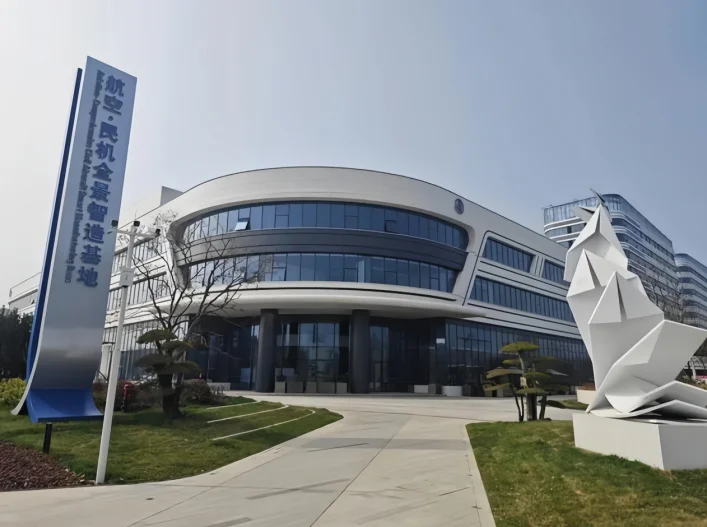

With advanced manufacturing and rigorous quality control, Homedin delivers consistent product quality and responsive after-sales support. We welcome partners worldwide to visit our factory and discuss collaboration.
Frequently Asked Questions
What is an adjustable pedestal used for?
An adjustable pedestal (also called a deck support or paver pedestal) raises tiles, decking boards, timber or stone above the substrate to create a level, ventilated and drained raised floor. Common uses are rooftops, terraces, balconies, plazas and pool decks.
How much weight can an adjustable pedestal support?
HOMEDIN pedestals are SGS load-tested: the HE Series up to 2,000 kg per support, the B Series 2.5–3.5 t, and the S Series rubber shim ≥3,152 kg. Always size by worst-case point load and support spacing.
What height range do adjustable pedestals cover?
Typical pedestals adjust from about 20 mm up to 260–392 mm; extension rings push heights further (B Series to 480 mm, HE Series to 392 mm). Pick the model by your required finished-floor height.
Can adjustable pedestals handle sloped or uneven surfaces?
Yes. Self-leveling heads (HOMEDIN XA rubber / XB plastic) compensate slopes up to 5%, and shim pads level minor irregularities — ideal for retrofit balconies and uneven substrates.
Are HOMEDIN pedestals certified and suitable for outdoor use?
Yes. Bodies are UV-stabilised PP or PP+glass-fibre (TPE/EPDM rubber for the S Series), rated from −30 °C to +120 °C, and verified by SGS, CE, RoHS and REACH.