Clear records
history record

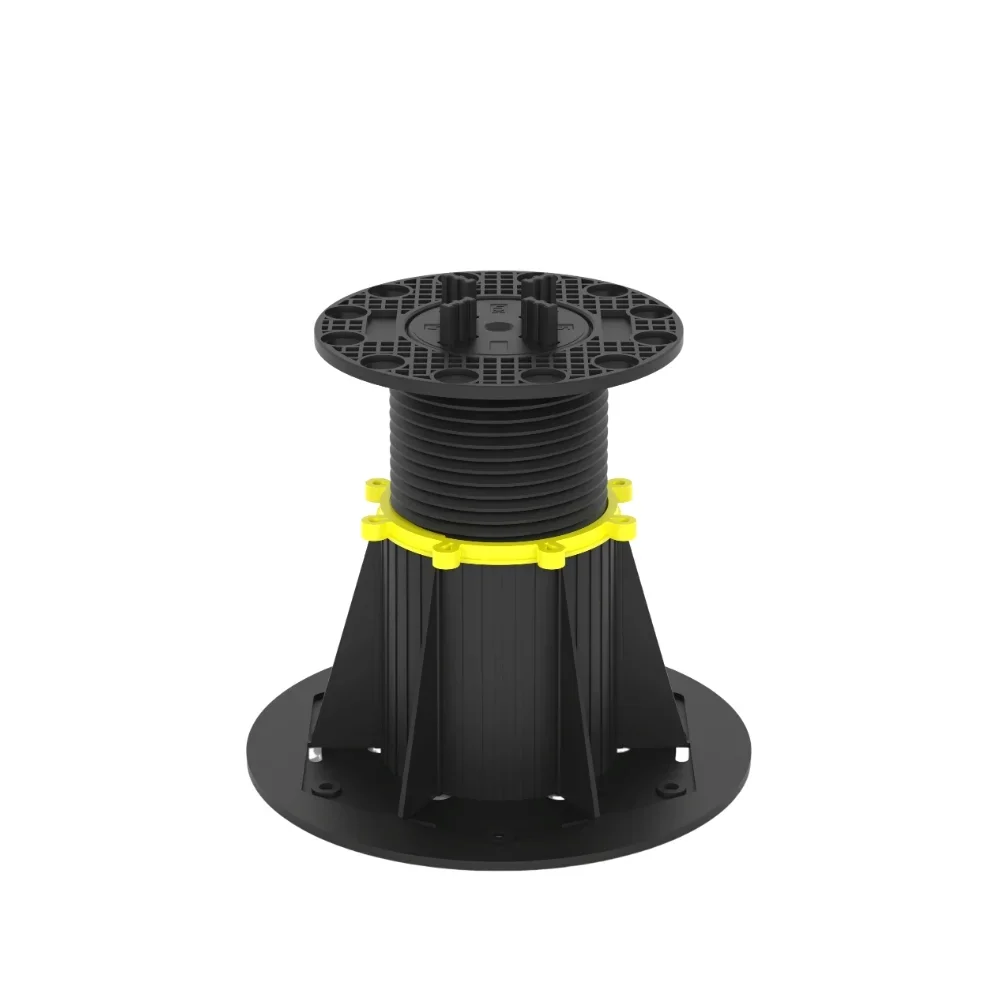
Best Pedestal Supports for Terrace Flooring: Durable Adjustable Solutions for Modern Decking
In modern terrace and rooftop decking projects, pedestal supports play a critical role in ensuring the structural integrity, safety, and long-term performance of flooring systems. Whether for elevated garden landscapes, commercial rooftops, or residential terraces, the selection of reliable pedestal supports determines the stability of every decking panel. Professionals in landscape architecture, construction, and rooftop renovation prioritize factors such as load-bearing capacity, adjustability, and durability when choosing the Best pedestal supports for terrace flooring.
Homedin Industrial Co., Ltd., a leading provider of adjustable pedestal solutions, has developed a comprehensive range of pedestal systems that combine robust materials, precision engineering, and adaptability to diverse construction environments. With expertise spanning stone supports, floor supports, keel supports, and water feature supports, Homedin ensures that each product meets stringent quality standards while delivering practical installation efficiency and long-term stability.
Technical Considerations for Pedestal Supports
Load-Bearing Capacity
The primary function of terrace pedestal supports is to maintain even weight distribution across the decking surface. High load-bearing capacity is essential, especially in public or commercial settings where pedestrian traffic and furniture placement add dynamic loads. Best-in-class pedestal supports utilize reinforced polymer composites or high-density polyethylene (HDPE) materials designed to withstand concentrated and uniformly distributed loads, ranging from 1,200 kg/m² to over 2,000 kg/m² depending on the system configuration.
Key parameters include:
Maximum static load – ensuring individual pedestals can handle the weight of tiles, pavers, and any overlaying structures without deformation.
Dynamic load tolerance – critical for areas subject to foot traffic, furniture movement, or outdoor equipment.
Load distribution efficiency – uniform transfer of weight across all pedestals to prevent localized stress points that could compromise floorboards or roof membranes.
Homedin Industrial’s pedestal systems undergo rigorous load testing, including point-load analysis and long-term creep resistance evaluation, guaranteeing both immediate and sustained performance.
Material Strength and Durability
Pedestal materials directly influence durability and resistance to environmental stresses. HDPE, polypropylene, or polymer composites are commonly used due to their superior tensile strength, chemical resistance, and UV stability. Additional considerations include:
Weather resistance – UV-stabilized materials prevent degradation and color fading over prolonged exposure to sunlight.
Moisture and corrosion resistance – essential for rooftop terraces exposed to rain, snow, or irrigation systems.
Wear resistance – particularly for adjustable mechanisms that undergo repeated height modifications.
Homedin Industrial emphasizes selecting materials that not only meet mechanical strength requirements but also resist long-term environmental wear, ensuring pedestals maintain structural performance across decades.
Adjustable Pedestal Design
Adjustability is a crucial feature for terrace flooring projects, especially on uneven substrates or multi-level terraces. Adjustable pedestal supports for terrace flooring provide precise height control, enabling installers to achieve perfectly level decking surfaces without extensive substrate preparation.
Key technical attributes include:
Height range – typically from 25 mm up to 1,200 mm for multi-layer applications.
Fine adjustment increments – allowing for millimeter-level leveling precision.
Locking mechanism reliability – ensures pedestals remain stable under load, eliminating the risk of post-installation settling.
Ease of adjustment – screw-thread or ratchet systems designed for rapid and repeatable leveling.
Homedin Industrial’s adjustable pedestals feature integrated locking collars and reinforced adjustment threads to prevent accidental slippage and reduce installation time, particularly beneficial in large-scale rooftop or public terrace projects.
Anti-Slip and Stability Features
Safety is a primary concern for elevated flooring systems. Pedestal supports must maintain horizontal stability and prevent lateral movement of tiles or pavers. Technical solutions include:
Wide base design – increases contact area and prevents tipping under lateral loads.
Non-slip surfaces – textured or rubberized foot pads minimize sliding on roof membranes or substrate layers.
Integrated vibration damping – reduces noise transmission in high-traffic areas.
These features are particularly important in commercial or high-traffic installations where safety regulations demand maximum stability and minimal movement under variable loads.
Installation and Maintenance Considerations
Efficient installation and maintenance are key to reducing labor costs and long-term operational disruptions. Best practices for pedestal installation include:
Pre-leveling substrate assessment – identifying low/high points to determine pedestal placement and adjustment requirements.
Modular system design – facilitates rapid deployment and allows for easy replacement of individual pedestals without dismantling large sections.
Compatibility with flooring types – supports designed for ceramic tiles, natural stone, composite decking, or interlocking pavers.
Maintenance access – removable caps or adjustable heads allow for quick inspection, cleaning, and replacement.
Homedin Industrial’s pedestal systems incorporate modular heads and threaded components that simplify both installation and post-installation maintenance, significantly reducing labor time while maintaining consistent floor levels and long-term stability.
Adaptability to Environmental Conditions
Terrace and rooftop installations often face challenges from environmental variations such as wind loads, thermal expansion, and moisture exposure. High-quality pedestals address these factors by:
Wind load resistance – heavier base plates or anchoring systems to maintain stability under gust conditions.
Thermal movement compensation – flexible connections or height-adjustable heads accommodate expansion and contraction of decking materials.
Drainage facilitation – integrated channels or foot pads to promote water runoff and prevent pooling, protecting both pedestals and roof membranes.
Homedin Industrial tests all products under accelerated aging, freeze-thaw cycles, and UV exposure, ensuring reliable performance across diverse climatic conditions and project types.
Comparative Advantages of Homedin Pedestals
| Feature | Homedin Pedestals | Standard Alternatives |
|---|---|---|
| Material | Reinforced HDPE/Polymer | Low-density plastic |
| Load Capacity | Up to 2000 kg/m² | 800–1200 kg/m² |
| Adjustment Range | 25–1200 mm, fine increments | Limited range, coarse adjustment |
| Locking Mechanism | Integrated reinforced collars | Friction-based, less secure |
| Environmental Resistance | UV, freeze-thaw, chemical | Partial or none |
| Installation Efficiency | Modular, pre-tested, easy maintenance | Time-consuming, limited modularity |
This table highlights how Homedin Industrial’s solutions combine high load-bearing performance, precision adjustability, and durability to outperform conventional pedestal systems.
Application Scenarios
Rooftop Gardens and Terraces
Adjustable pedestals ensure level surfaces even on sloped or uneven roofs, providing secure support for stone or composite decking, planters, and pedestrian traffic.Commercial Plazas and Elevated Squares
High-load pedestals allow for heavy stone pavers while maintaining safety standards for public access areas.Interior Design and Exhibitions
Modular pedestals facilitate temporary installations such as trade show booths, exhibition platforms, or raised flooring for technical equipment.Water Features and Landscape Installations
Pedestal systems can support drainage channels and decorative elements while maintaining level surfaces and load distribution.
Durability and Long-Term Performance
UV Stabilization: Prevents cracking and fading over prolonged exposure to sunlight.
Creep Resistance: Ensures the pedestal maintains height and structural integrity under constant load.
Chemical and Moisture Resistance: Protects against cleaning agents, fertilizers, and water exposure.
Replacement and Compatibility: Modular components allow for individual pedestal replacement without dismantling entire installations, supporting long-term project maintenance.
Homedin Industrial provides technical support and compatibility guidelines for replacement parts, ensuring that the Best pedestal supports for terrace flooring remain functional and safe over decades of use.
Decision-Making Guide for Procurement and Engineering Teams
When selecting pedestals for terrace flooring projects, consider the following technical criteria:
Load-Bearing Requirement: Match pedestal capacity to maximum anticipated loads.
Height Adjustment Range: Verify adjustability to compensate for substrate unevenness.
Material Strength and Environmental Suitability: Confirm UV, moisture, and freeze-thaw resistance.
Locking Mechanism Reliability: Ensure secure height retention under dynamic loads.
Installation and Maintenance Efficiency: Opt for modular, replaceable systems with minimal labor requirements.
Homedin Industrial supports decision-making with detailed product datasheets, load test reports, and on-site technical consultation. This allows procurement, engineering, and project management teams to optimize cost, performance, and long-term safety for terrace flooring projects.
Conclusion
Choosing the Best pedestal supports for terrace flooring or Adjustable pedestal supports for terrace flooring is a critical decision impacting installation efficiency, long-term performance, and safety. Homedin Industrial combines technical innovation, high-quality materials, and modular design to deliver pedestal systems that excel in load-bearing capacity, height adjustability, environmental resistance, and maintenance convenience. By leveraging Homedin’s comprehensive solutions, landscape architects, construction professionals, and rooftop project teams can achieve superior results, reduce long-term maintenance risks, and ensure enduring terrace stability and safety.
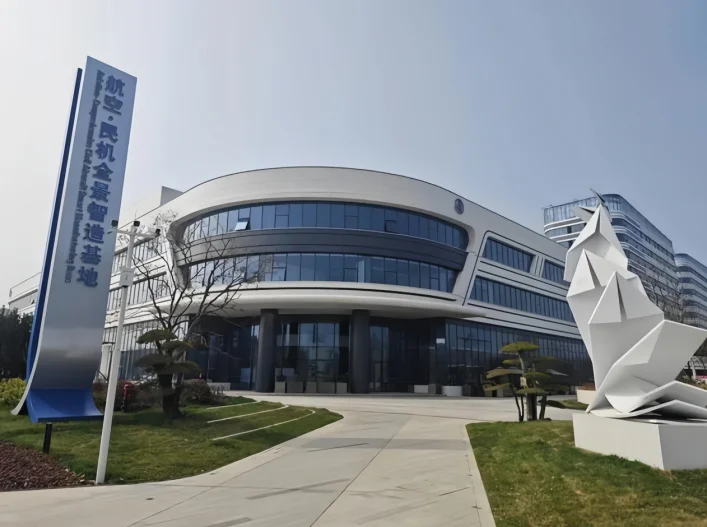
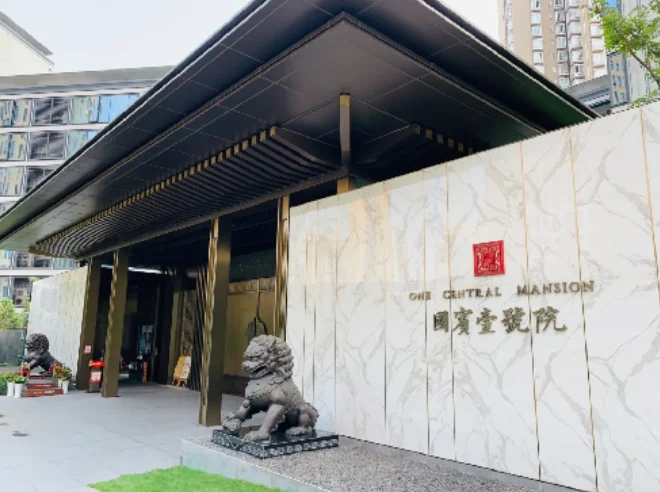

With advanced manufacturing and rigorous quality control, Homedin delivers consistent product quality and responsive after-sales support. We welcome partners worldwide to visit our factory and discuss collaboration.
Frequently Asked Questions
What is an adjustable pedestal used for?
An adjustable pedestal (also called a deck support or paver pedestal) raises tiles, decking boards, timber or stone above the substrate to create a level, ventilated and drained raised floor. Common uses are rooftops, terraces, balconies, plazas and pool decks.
How much weight can an adjustable pedestal support?
HOMEDIN pedestals are SGS load-tested: the HE Series up to 2,000 kg per support, the B Series 2.5–3.5 t, and the S Series rubber shim ≥3,152 kg. Always size by worst-case point load and support spacing.
What height range do adjustable pedestals cover?
Typical pedestals adjust from about 20 mm up to 260–392 mm; extension rings push heights further (B Series to 480 mm, HE Series to 392 mm). Pick the model by your required finished-floor height.
Can adjustable pedestals handle sloped or uneven surfaces?
Yes. Self-leveling heads (HOMEDIN XA rubber / XB plastic) compensate slopes up to 5%, and shim pads level minor irregularities — ideal for retrofit balconies and uneven substrates.
Are HOMEDIN pedestals certified and suitable for outdoor use?
Yes. Bodies are UV-stabilised PP or PP+glass-fibre (TPE/EPDM rubber for the S Series), rated from −30 °C to +120 °C, and verified by SGS, CE, RoHS and REACH.