Clear records
history record

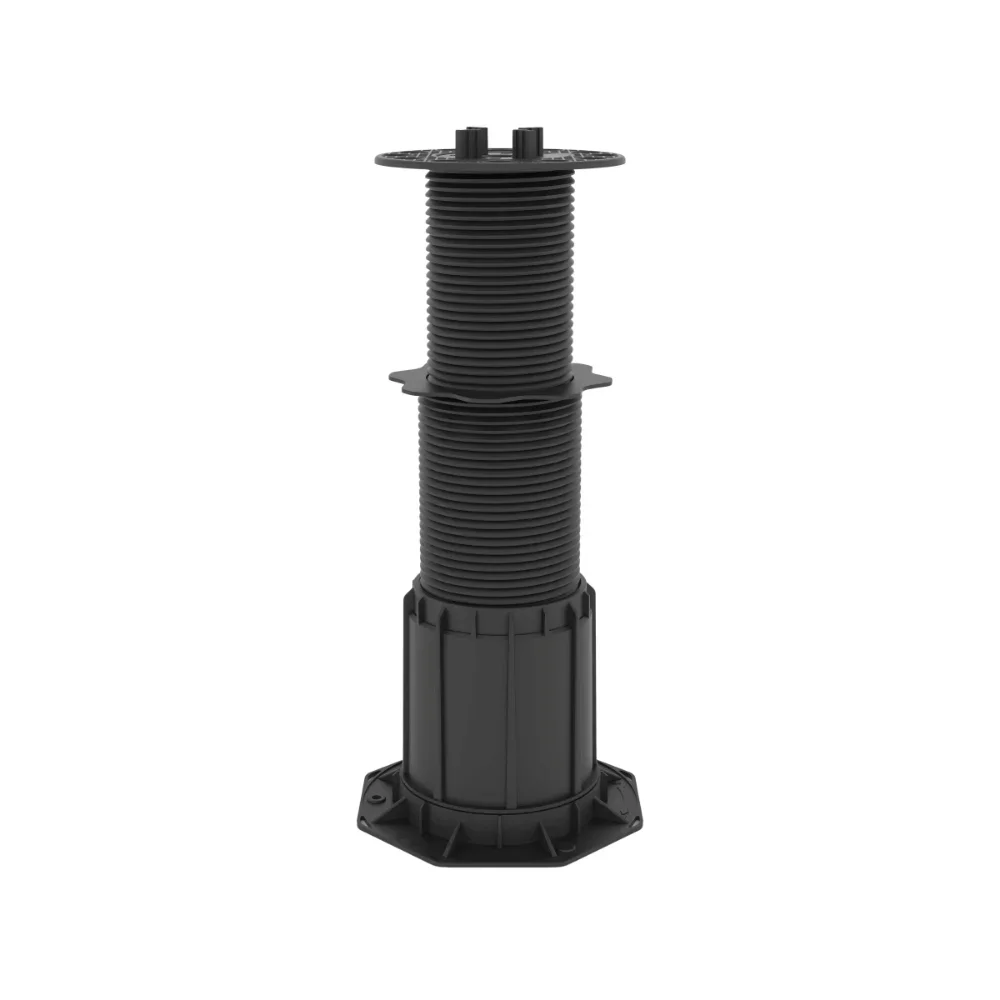
Best PP Pedestal for Garden Landscaping Structural Engineering for Long-Term Outdoor Load Stability and Precision Support Systems
In modern landscape engineering and outdoor construction projects, structural support components are no longer treated as simple auxiliary accessories. For contractors, landscape designers, municipal engineering teams, and real estate development units, the Best pp pedestal for garden landscaping has become a critical structural element that directly determines the safety, precision, and long-term performance of elevated landscaping systems.
Unlike traditional fixed supports or improvised leveling solutions, PP pedestals are now widely used in:
Raised decking systems
Stone paving installations
Rooftop garden structures
Water feature platforms
Landscape lighting foundations
Modular outdoor flooring systems
In these applications, failure is not limited to aesthetic issues. It can lead to:
Structural unevenness
Load imbalance
Surface cracking or tilting
Drainage obstruction
Long-term safety risks
Therefore, professional procurement teams now evaluate PP pedestal systems based on engineering performance rather than simple cost or basic load capacity.
Homedin Industrial Co., Ltd., a professional provider of adjustable pedestal systems for landscape engineering applications, develops PP pedestal solutions designed for long-term outdoor stability. Its product range—including stone supports, floor supports, keel supports, and water feature supports—is engineered to meet the demands of complex landscape infrastructure systems.
This article provides a detailed engineering analysis of how PP pedestal systems ensure structural stability, installation efficiency, and long-term durability in real-world landscaping environments.
Why PP Pedestal Systems Have Become Core Components in Modern Landscape Engineering
In traditional landscaping construction, uneven surfaces were often compensated using concrete leveling, sand bedding, or rigid structural supports. However, these methods present limitations:
Long installation time
Poor adaptability to uneven terrain
Difficult maintenance and repair
Limited drainage capability
High labor dependency
PP pedestal systems solve these problems by introducing a modular adjustable support architecture.
A modern pedestal system is not simply a spacer—it is a load-bearing, height-adjustable structural interface that distributes vertical force while maintaining alignment precision across large surface areas.
This is particularly important in:
Rooftop garden systems where weight distribution is critical
Elevated plaza flooring requiring uniform surface leveling
Water feature installations requiring drainage gaps
Modular stone paving systems requiring precise height consistency
In all these applications, system reliability depends on the pedestal’s ability to maintain:
Load stability under long-term compression
Resistance to environmental degradation
Consistent height accuracy across large installation areas
Structural Engineering Principles Behind Best PP Pedestal for Garden Landscaping
A high-performance PP pedestal system is defined by three core engineering principles:
1. Load Distribution and Compression Stability
The primary function of a PP pedestal is to transfer vertical loads from surface materials (stone, decking, tiles) to the base substrate.
In real-world landscaping environments, loads are not static. They vary due to:
Foot traffic
Equipment load (maintenance carts, installation tools)
Thermal expansion and contraction of surface materials
Moisture-induced substrate movement
A properly engineered pedestal system distributes these loads evenly to prevent:
Localized stress concentration
Surface cracking
Structural sinking or tilting
The Best pp pedestal for garden landscaping must therefore maintain stable compression resistance even under long-term cyclic loading conditions.
2. Height Adjustment Mechanism for Terrain Adaptability
One of the most critical advantages of PP pedestal systems is adjustable height capability.
This feature allows engineers to compensate for:
Uneven ground surfaces
Drainage slope requirements
Multi-level landscape designs
Structural interface mismatches
In large-scale projects, height adjustment is essential for maintaining:
Surface flatness consistency
Water drainage flow direction
Structural alignment across modular sections
Without precise adjustment capability, installation teams would need extensive ground preparation, increasing both cost and construction time.
3. Material Stability Under Environmental Stress
PP (polypropylene) is widely used due to its:
Lightweight structure
Chemical resistance
Moisture resistance
Cost efficiency
However, in outdoor landscaping environments, material performance is tested under:
UV radiation exposure
Rain and moisture cycles
Freeze-thaw temperature variations
Long-term aging stress
A high-quality PP pedestal must resist:
Brittleness from UV exposure
Deformation under sustained load
Material fatigue from temperature cycling
Homedin Industrial engineers its support systems to ensure long-term dimensional stability under such environmental stress conditions.
How Best PP Pedestal Systems Ensure Structural Precision in Complex Landscaping Projects
Large-scale landscape projects require consistent surface alignment across wide installation areas.
Even minor height deviation can lead to:
Uneven stone surfaces
Water pooling in flat areas
Misaligned decking joints
Lighting system imbalance
Height Consistency Across Batch Installations
In commercial construction environments, PP pedestals are often installed in large quantities.
Therefore, manufacturing precision directly affects:
Installation uniformity
Structural alignment accuracy
Final aesthetic quality
Homedin Industrial ensures production consistency through:
Controlled mold precision
Standardized dimensional tolerances
Batch quality inspection systems
This ensures every pedestal performs identically under load.
Modular Installation Efficiency in Large Projects
Time efficiency is a key factor for:
Municipal construction teams
Landscape contractors
Real estate development projects
PP pedestal systems significantly reduce installation time by eliminating:
Wet concrete leveling processes
Manual shimming and adjustment
Rework caused by uneven surfaces
Instead, modular adjustment allows rapid deployment across large surface areas.
PP Pedestal Performance in Real Outdoor Environments
Different landscape environments impose different structural challenges:
Grass and Soil Areas
Soft substrate instability
Moisture retention
Uneven load distribution
Stone and Paved Surfaces
High point-load concentration
Thermal expansion stress
Edge alignment sensitivity
Rooftop and Elevated Systems
Strict weight limitations
Drainage integration requirements
Wind-induced vibration effects
A properly engineered pedestal system must adapt to all three conditions without performance degradation.
Best PP Pedestal for Garden Landscaping in Drainage and Moisture Control Systems
One often overlooked function of pedestal systems is water management.
In raised flooring systems, proper spacing created by pedestals enables:
Efficient water drainage
Prevention of water accumulation
Reduced risk of structural moisture damage
This is particularly critical in:
Rooftop gardens
Water feature platforms
Outdoor tiled plazas
Without proper drainage spacing, long-term moisture exposure can lead to:
Material degradation
Surface instability
Biological growth under flooring systems
How PP Pedestal Systems Reduce Long-Term Maintenance Costs
From a lifecycle cost perspective, PP pedestal systems provide significant advantages:
1. Reduced Structural Repair Frequency
Because load distribution is stable, surface materials experience less stress damage.
2. Localized Replacement Capability
Damaged sections can be replaced without dismantling the entire system.
3. Minimal Maintenance Requirements
No need for frequent leveling or structural correction.
Pp pedestal for garden landscaping cos: Engineering Value in Large-Scale Commercial Projects
In commercial landscaping projects, consistency is more important than individual product performance.
For Pp pedestal for garden landscaping cos (construction and landscaping companies), key requirements include:
1. Structural Consistency Across Bulk Procurement
In large projects, even minor dimensional variations can lead to:
Misaligned flooring surfaces
Uneven load distribution
Visible installation defects
Homedin Industrial ensures batch consistency through strict production control systems.
2. Long-Term Stability Under Commercial Use Conditions
Commercial landscapes must withstand:
Continuous public usage
Environmental exposure
Minimal maintenance intervention
PP pedestals must maintain structural integrity without deformation over time.
3. Compatibility With Multiple Material Systems
Modern landscape systems often combine:
Natural stone
Composite decking
Wood flooring
Metal structural frames
A high-quality pedestal must interface seamlessly with all material types.
Homedin Industrial Engineering Capability Behind PP Pedestal Systems
Homedin Industrial Co., Ltd. specializes in adjustable pedestal systems for architectural and landscape engineering applications.
Its product ecosystem includes:
Stone supports
Floor supports
Keel supports
Water feature supports
The company provides integrated solutions for:
Garden landscapes
Rooftop gardens
Elevated plazas
Fountains and water systems
Interior and exterior decoration systems
Prefabricated construction environments
With a focus on system-level engineering, Homedin ensures that support components are not isolated parts but integrated structural solutions.
Conclusion: Why Structural Precision Defines the Best PP Pedestal for Garden Landscaping
In modern landscape engineering, the performance of support systems directly determines project success.
A high-quality Best pp pedestal for garden landscaping ensures:
Long-term structural stability
Accurate height adjustment across complex terrain
Resistance to UV, moisture, and freeze-thaw cycles
Efficient installation and reduced labor cost
Meanwhile, Pp pedestal for garden landscaping cos benefit from:
Batch consistency in large-scale projects
Reduced maintenance requirements
Improved construction efficiency
Enhanced long-term structural safety
Ultimately, PP pedestal systems are no longer simple accessories—they are critical load-bearing components in modern landscape engineering systems.
For engineers, contractors, and developers, selecting a well-designed pedestal system is a strategic decision that directly impacts safety, cost efficiency, and long-term project performance.
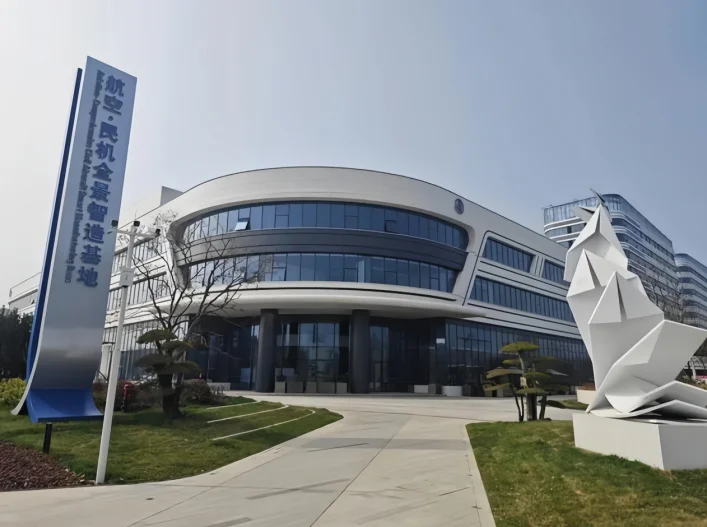
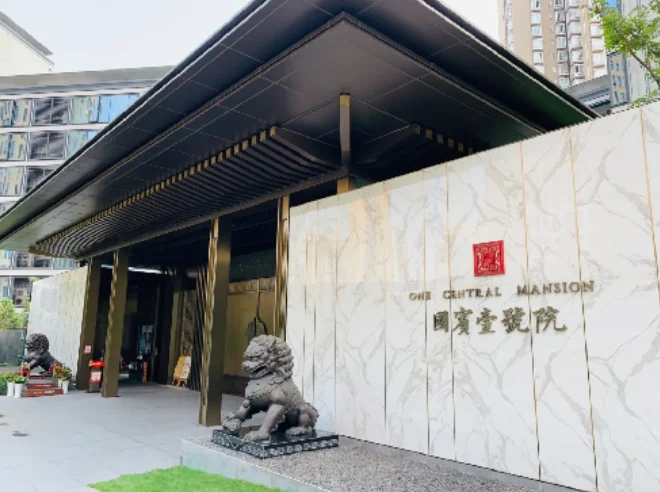

With advanced manufacturing and rigorous quality control, Homedin delivers consistent product quality and responsive after-sales support. We welcome partners worldwide to visit our factory and discuss collaboration.
Frequently Asked Questions
What is an adjustable pedestal used for?
An adjustable pedestal (also called a deck support or paver pedestal) raises tiles, decking boards, timber or stone above the substrate to create a level, ventilated and drained raised floor. Common uses are rooftops, terraces, balconies, plazas and pool decks.
How much weight can an adjustable pedestal support?
HOMEDIN pedestals are SGS load-tested: the HE Series up to 2,000 kg per support, the B Series 2.5–3.5 t, and the S Series rubber shim ≥3,152 kg. Always size by worst-case point load and support spacing.
What height range do adjustable pedestals cover?
Typical pedestals adjust from about 20 mm up to 260–392 mm; extension rings push heights further (B Series to 480 mm, HE Series to 392 mm). Pick the model by your required finished-floor height.
Can adjustable pedestals handle sloped or uneven surfaces?
Yes. Self-leveling heads (HOMEDIN XA rubber / XB plastic) compensate slopes up to 5%, and shim pads level minor irregularities — ideal for retrofit balconies and uneven substrates.
Are HOMEDIN pedestals certified and suitable for outdoor use?
Yes. Bodies are UV-stabilised PP or PP+glass-fibre (TPE/EPDM rubber for the S Series), rated from −30 °C to +120 °C, and verified by SGS, CE, RoHS and REACH.