Clear records
history record

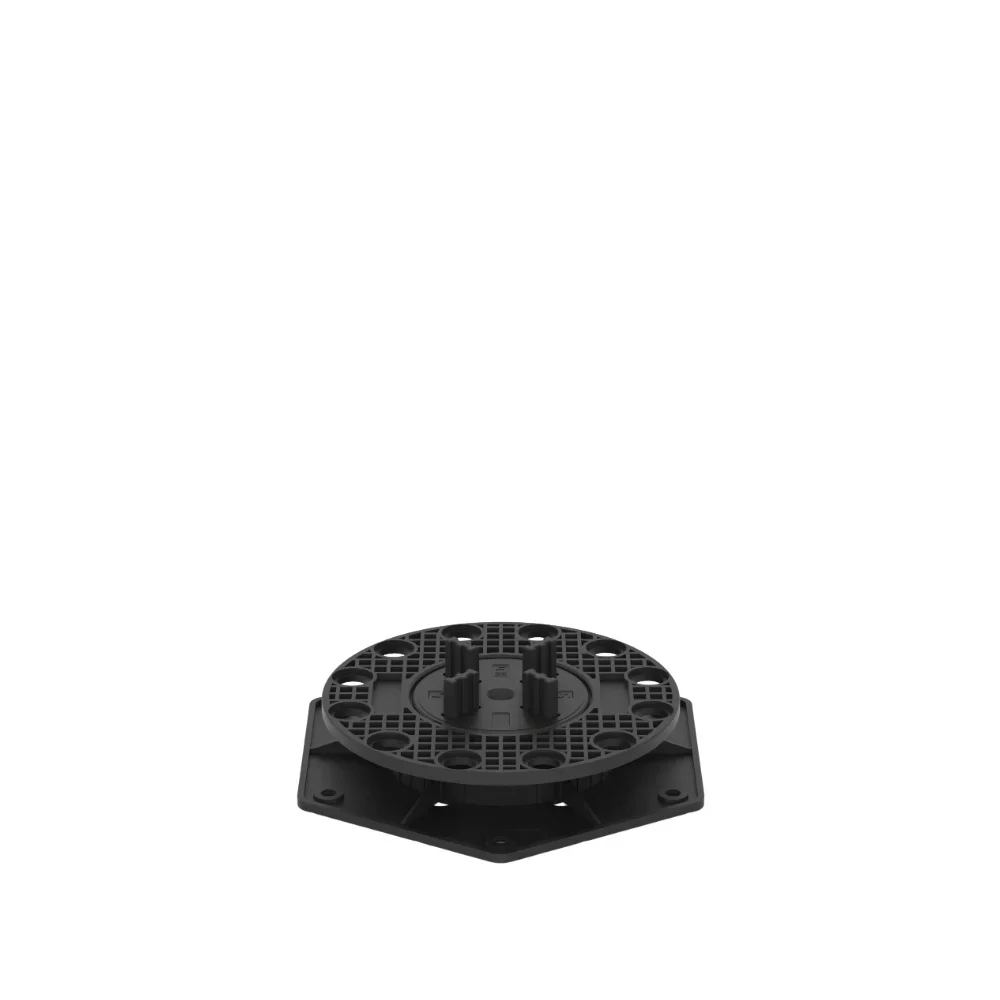
Best PVC Pedestal for Terrace Flooring: Engineering Stability and Cost Optimization for Modern Raised Deck Systems
In modern façade engineering, rooftop landscape construction, and commercial terrace development, the raised flooring system has evolved from a simple structural support solution into a fully engineered load distribution and drainage control system. For contractors, façade engineers, and project developers searching for Best pvc pedestal for terrace flooring or analyzing Pvc pedestal for terrace flooring cost, the decision is no longer about whether adjustable supports exist—it is about whether the entire system can maintain long-term dimensional stability, installation precision, and lifecycle cost efficiency under real environmental stress.
A PVC pedestal system is not an accessory. It is a critical structural interface between waterproof membranes and finished terrace surfaces, and any instability directly affects drainage performance, floor flatness, and long-term maintenance cost.
1. Functional Role of PVC Pedestal Systems in Terrace Engineering
A terrace flooring pedestal system serves three engineering functions simultaneously:
1.1 Structural Load Transfer
The pedestal transfers:
Static load (stone, ceramic tiles, WPC decking)
Dynamic load (foot traffic, maintenance equipment)
Environmental load (wind uplift in exposed rooftop systems)
This load is distributed vertically to the structural slab without damaging waterproof layers.
1.2 Elevation and Leveling System
Pedestals provide:
Adjustable height control
Slope correction capability
Precision leveling across large surfaces
This is essential for:
Rooftop drainage optimization
Preventing water accumulation
Maintaining uniform walking surfaces
1.3 Drainage and Ventilation Channel Formation
By creating a raised cavity:
Water flows freely beneath flooring
Moisture is isolated from structural slab
Air circulation reduces thermal stress buildup
2. Engineering Definition of “Best PVC Pedestal for Terrace Flooring”
The term Best pvc pedestal for terrace flooring in engineering terms is defined by measurable performance parameters, not branding or appearance.
2.1 Load Bearing Capacity
High-performance pedestals must support:
Ceramic tile systems: 500–1000 kg/m²
Stone slabs: high compressive load with minimal deformation
Wood-plastic composite decking: distributed load stability
The key metric is compressive creep resistance over time, not just initial strength.
2.2 Long-Term Compression Resistance
PVC materials are subject to:
Creep deformation under constant load
Stress relaxation under temperature variation
A well-engineered pedestal minimizes:
Height reduction over time
Tilting under uneven load distribution
Joint instability between modular units
2.3 Environmental Stability
Outdoor terrace systems must withstand:
UV radiation exposure
Freeze-thaw cycling
Moisture infiltration
Thermal expansion and contraction
Failure in environmental resistance leads to:
Height inconsistency
Surface misalignment
Accelerated maintenance cycles
3. Structural Engineering of PVC Pedestal Systems
3.1 High-Strength PVC Material Formulation
Industrial-grade pedestals use modified PVC compounds, enhanced with:
UV stabilizers
Impact modifiers
Anti-aging additives
Engineering benefits:
Reduced brittleness under long-term sunlight exposure
Improved load distribution under compression
Increased deformation resistance under temperature variation
3.2 Threaded Adjustment Mechanism Precision
The adjustment system is a core engineering component.
Key design requirements:
Fine-pitch threaded column for micro-adjustment
Anti-slip locking geometry
High-precision mold machining
Performance outcomes:
Height adjustment accuracy within millimeter-level tolerance
Reduced installation error accumulation
Stable long-term locking performance
3.3 Load Distribution Base Design
The pedestal base must:
Increase contact area with waterproof membrane
Reduce point load concentration
Prevent membrane puncture or damage
Advanced designs incorporate:
Radial load distribution ribs
Anti-slip bottom textures
Stress dispersion geometry
4. System Integration in Terrace Flooring Projects
4.1 Multi-Height System Configuration Strategy
In large-scale terrace or rooftop projects, multiple pedestal types are often combined:
Fixed pedestals for stable base zones
Adjustable pedestals for leveling zones
Extended-height pedestals for slope compensation
This hybrid configuration enables:
Optimal structural efficiency
Reduced material waste
Improved installation speed
4.2 Compatibility with Flooring Materials
PVC pedestals must support:
Porcelain tiles
Natural stone slabs
Wood-plastic composite decking
Each material imposes different load and stability requirements:
Stone: high compressive load, low tolerance for uneven support
WPC: flexible load distribution, thermal expansion sensitivity
Tile systems: precise leveling critical for surface alignment
5. Construction Efficiency and Installation Performance
5.1 Rapid Leveling Capability
One of the key advantages of pedestal systems is:
Tool-free height adjustment
Fast slope correction
Reduced dependence on wet construction methods
This significantly improves:
On-site labor efficiency
Installation speed per square meter
Overall project scheduling accuracy
5.2 Reduction in Rework Rate
Poor leveling systems lead to:
Tile cracking
Water pooling
Surface unevenness
Precision pedestal systems reduce:
Installation errors
Re-adjustment cycles
Post-installation correction costs
5.3 Modular Installation Efficiency
Standardized pedestal geometry allows:
Faster layout planning
Predictable material consumption
Reduced installation complexity
6. Engineering Analysis of Pvc pedestal for terrace flooring cost
Understanding Pvc pedestal for terrace flooring cost requires analyzing the full lifecycle cost model, not unit price.
6.1 Material Cost vs System Cost
Low-cost pedestals often reduce material quality, leading to:
Faster deformation
Shorter service life
Higher replacement frequency
High-performance systems may have higher unit cost but:
Reduce long-term maintenance
Extend replacement cycle
Improve system reliability
6.2 Installation Labor Cost
Labor cost is significantly influenced by:
Adjustment speed
Installation complexity
Rework frequency
High-precision pedestal systems reduce:
Installation time per square meter
Skilled labor dependency
On-site correction requirements
6.3 Maintenance and Lifecycle Cost
Key cost drivers include:
Replacement frequency of deformed units
Drainage failure repair
Surface re-leveling operations
A stable pedestal system minimizes:
Long-term maintenance interventions
Structural rework costs
Operational downtime
7. Manufacturing Consistency and Industrial Control
A critical factor in large-scale procurement is batch consistency.
Key manufacturing parameters:
Thread pitch precision
Load-bearing uniformity
Anti-aging performance stability
8. Case Integration: Homedin Industrial Engineering Capability
A representative manufacturer in this sector is Homedin Industrial Co., Ltd., specializing in adjustable pedestal systems for architectural and landscape applications.
Their product ecosystem includes:
Stone support systems
Floor pedestal systems
Keel support systems
Water feature support systems
Application scenarios:
Rooftop gardens
Elevated plazas
Landscape terraces
Dry spray and water feature structures
Prefabricated building systems
This system-level approach ensures:
Structural compatibility across project types
Engineering adaptability for complex layouts
Consistent manufacturing standards across product lines
9. Long-Term Operational Benefits in Real Projects
9.1 Structural Stability Over Time
Proper pedestal systems ensure:
No progressive height loss
Stable surface leveling
Reduced deformation under sustained load
9.2 Drainage Performance Maintenance
Consistent elevation ensures:
Uninterrupted water flow
Reduced moisture accumulation
Protection of waterproof membrane systems
9.3 Lifecycle Cost Optimization
Over long-term operation, benefits include:
Lower maintenance frequency
Reduced reinstallation needs
Improved ROI for developers
Conclusion
The evaluation of Best pvc pedestal for terrace flooring is fundamentally a structural engineering decision combined with lifecycle cost analysis, not a simple product selection.
A well-designed pedestal system must deliver:
Long-term load stability under compression
Precision leveling under complex installation conditions
Resistance to environmental aging and deformation
Installation efficiency that reduces labor dependency
When properly engineered, PVC pedestal systems significantly reduce the total Pvc pedestal for terrace flooring cost by minimizing maintenance cycles, improving installation efficiency, and extending system lifespan.
Manufacturers such as Homedin Industrial demonstrate how integrated support system engineering can transform terrace flooring from a material-based installation into a predictable, high-performance architectural system.
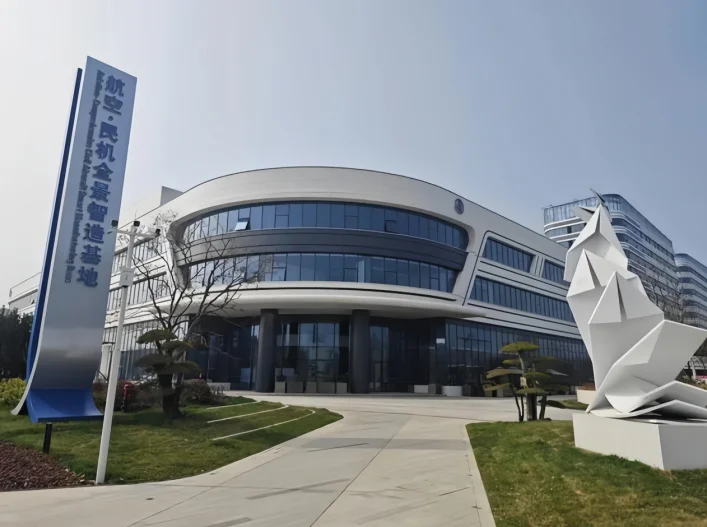
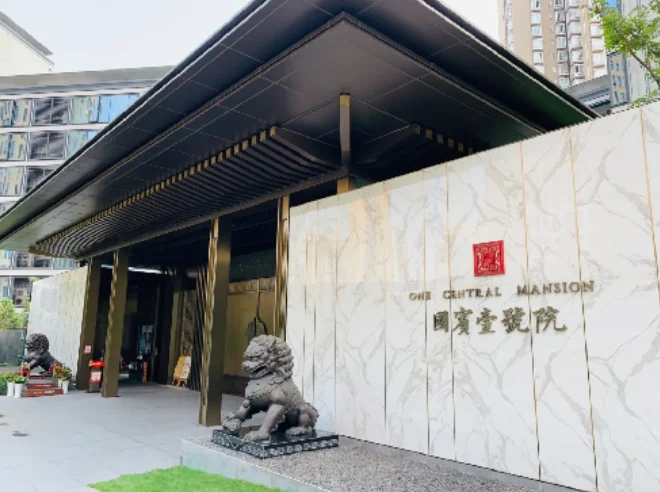

With advanced manufacturing and rigorous quality control, Homedin delivers consistent product quality and responsive after-sales support. We welcome partners worldwide to visit our factory and discuss collaboration.
Frequently Asked Questions
What is an adjustable pedestal used for?
An adjustable pedestal (also called a deck support or paver pedestal) raises tiles, decking boards, timber or stone above the substrate to create a level, ventilated and drained raised floor. Common uses are rooftops, terraces, balconies, plazas and pool decks.
How much weight can an adjustable pedestal support?
HOMEDIN pedestals are SGS load-tested: the HE Series up to 2,000 kg per support, the B Series 2.5–3.5 t, and the S Series rubber shim ≥3,152 kg. Always size by worst-case point load and support spacing.
What height range do adjustable pedestals cover?
Typical pedestals adjust from about 20 mm up to 260–392 mm; extension rings push heights further (B Series to 480 mm, HE Series to 392 mm). Pick the model by your required finished-floor height.
Can adjustable pedestals handle sloped or uneven surfaces?
Yes. Self-leveling heads (HOMEDIN XA rubber / XB plastic) compensate slopes up to 5%, and shim pads level minor irregularities — ideal for retrofit balconies and uneven substrates.
Are HOMEDIN pedestals certified and suitable for outdoor use?
Yes. Bodies are UV-stabilised PP or PP+glass-fibre (TPE/EPDM rubber for the S Series), rated from −30 °C to +120 °C, and verified by SGS, CE, RoHS and REACH.