
Clear records
history record

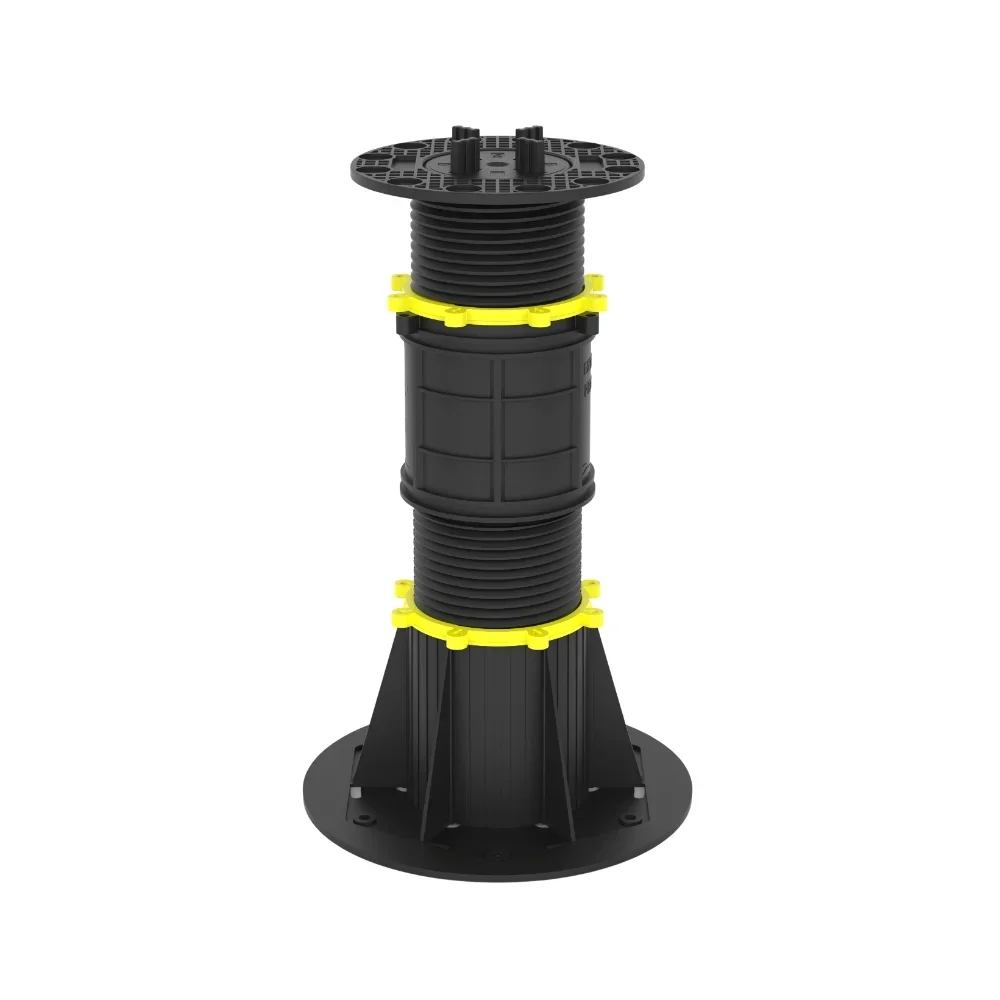
Best Adjustable Plastic Pedestal System Installation Guide for Precision Flooring Engineering
Reframing Adjustable Pedestal Systems as Structural Leveling Engineering
In modern construction and architectural finishing systems, the adjustable plastic pedestal system is no longer a simple support accessory—it is a precision structural leveling mechanism that directly determines surface flatness, load distribution behavior, and long-term flooring stability.
Whether applied in rooftop gardens, raised plazas, stone paving systems, or commercial flooring installations, pedestal systems operate as the hidden structural layer that governs elevation accuracy and load transfer integrity. Any deviation in this subsystem propagates into visible surface defects, including tile cracking, uneven settlement, and structural misalignment.
Homedin Industrial Co., Ltd. specializes in adjustable pedestal elevated flooring systems, including stone supports, floor supports, keel supports, and water feature support systems. With application experience across landscape engineering, rooftop gardens, prefabricated buildings, and commercial spatial structures, the company focuses on delivering structural support systems engineered for load-bearing accuracy and long-term environmental stability rather than basic elevation adjustment.
What Defines the Best Adjustable Plastic Pedestal System?
The definition of the best adjustable plastic pedestal system is not based on price or adjustability range alone, but on structural engineering performance under sustained load conditions.
The core determinant is compressive load distribution behavior. High-performance pedestal systems are designed to distribute vertical loads evenly across a broad contact surface, preventing localized stress concentration that leads to surface deformation or tile fracture.
Structural rigidity of the threaded adjustment mechanism directly impacts height stability. Precision-molded threading with controlled tolerance levels ensures that vertical adjustments remain stable under dynamic load conditions, preventing gradual settlement over time.
Material composition is another critical factor. Engineering-grade polypropylene or reinforced polymer blends are commonly used to enhance compressive strength, UV resistance, and long-term deformation resistance in outdoor environments.
Homedin Industrial integrates structural simulation models during product development to ensure that pedestal geometry maintains consistent load distribution under varying installation conditions.
How Adjustable Plastic Pedestal System Installation Works in Flooring Structures
The adjustable plastic pedestal system installation process is fundamentally a structural calibration operation rather than a simple assembly task.
The system begins with base positioning across the structural substrate. Each pedestal acts as an independent load transfer node, and spacing must be calculated based on expected slab load distribution and tile dimensions.
Height adjustment is achieved through threaded rotation mechanisms, where each pedestal is individually calibrated to achieve a unified horizontal plane. This requires precise alignment across multiple support points rather than isolated adjustment.
Load transfer occurs through the pedestal head into the supported surface material, such as stone slabs, ceramic tiles, or decking panels. The system must ensure uniform vertical force distribution to prevent differential settlement.
Final system stability depends on the synchronization of all pedestal heights across the installation grid, forming a continuous load-balanced structural plane.
Structural Mechanics Behind Load Capacity in Pedestal Systems
Load capacity in adjustable pedestal systems is determined by multiple interdependent structural factors.
Vertical compressive strength defines the maximum static load each pedestal can sustain without permanent deformation. In commercial-grade systems, this parameter is engineered to support heavy stone or reinforced ceramic tile installations.
Lateral stability is influenced by pedestal base diameter and frictional contact with the substrate. Wider base designs reduce lateral displacement under uneven load conditions.
Long-term creep resistance is a critical factor in outdoor applications. Under continuous load exposure, polymer materials may undergo slow deformation; engineering-grade formulations minimize this effect through molecular reinforcement structures.
Homedin Industrial designs pedestal systems specifically for high-load architectural applications, ensuring stable performance in environments such as rooftop plazas, public walkways, and elevated flooring systems.
Why Best Adjustable Plastic Pedestal System Performance Depends on Structural Design
The performance of a pedestal system is not determined by a single component but by the interaction between multiple structural elements.
The base plate geometry determines initial load dispersion efficiency. Poor base design leads to uneven stress concentration and increases the risk of substrate penetration or settlement.
The threaded adjustment column governs vertical precision stability. Micro-deformation in threading geometry can accumulate into measurable elevation deviation across large installations.
The head support interface ensures load transfer into the surface material. Incompatible head geometry may result in point loading, increasing the risk of tile cracking or edge failure.
Homedin Industrial applies structural optimization techniques to ensure that each component functions as part of an integrated load-bearing system rather than isolated parts.
Adjustable Plastic Pedestal System Installation: Critical Control Points
Proper installation quality depends on controlling structural variables rather than execution speed.
Height calibration accuracy is essential to ensure planar consistency across the entire flooring grid. Even minor deviation between adjacent pedestals can lead to visible surface irregularities in large-scale installations.
Substrate compatibility must be evaluated before installation. Variations in base surface hardness, slope, and material composition can affect pedestal stability and long-term load distribution behavior.
Modular alignment consistency ensures that pedestal spacing corresponds accurately to tile or slab dimensions, preventing unsupported edge conditions that lead to structural failure.
Load pre-distribution testing is often required in commercial projects to validate system stability before final surface installation.
What Causes Instability in Adjustable Pedestal Flooring Systems?
System instability typically arises from structural imbalance rather than material failure alone.
Uneven load distribution across pedestal grids creates localized stress concentration points, leading to gradual settlement or tilting.
Inaccurate height calibration introduces cumulative surface deviation across multiple support points, affecting overall flooring flatness.
Substrate deformation under long-term load can compromise pedestal base stability, especially in outdoor environments with variable soil or structural conditions.
Material creep under sustained compression can result in slow vertical displacement if the polymer formulation lacks sufficient long-term resistance properties.
Are Plastic Pedestal Systems Suitable for Heavy Stone or Ceramic Tiles?
Suitability depends on load class engineering and structural reinforcement level.
High-strength pedestal systems designed with reinforced polymer compositions can support heavy stone slabs when load is evenly distributed across multiple support points.
Ceramic tile systems require precise load balancing to prevent edge stress concentration, which is more critical than static load capacity alone.
In both cases, structural compatibility between pedestal spacing, slab thickness, and load distribution geometry determines overall system safety.
How Long Does an Adjustable Pedestal System Last in Outdoor Environments?
Service life in outdoor applications is governed by environmental exposure and material engineering quality.
UV radiation exposure can degrade standard polymer materials over time, leading to reduced structural integrity if UV-stabilized compounds are not used.
Moisture and temperature cycling can induce expansion and contraction stress within pedestal components, requiring materials with controlled thermal expansion coefficients.
High-quality engineered pedestal systems designed for architectural applications typically maintain structural performance over extended service cycles when properly specified and installed.
Engineering Approach Behind Homedin Industrial Pedestal Systems
Homedin Industrial Co., Ltd. applies a systems engineering approach to the development of adjustable support solutions.
Product development focuses on structural simulation of load transfer behavior across modular support grids, ensuring predictable performance under variable construction conditions.
Material selection is guided by long-term compression testing, environmental aging simulations, and load fatigue analysis.
The company’s product range, including stone supports, floor supports, keel supports, and water feature supports, is designed for integrated architectural applications where structural precision is essential.
Application domains include garden landscapes, rooftop terraces, elevated plazas, interior flooring systems, and prefabricated construction environments.
Conclusion: Adjustable Pedestal Systems as Precision Structural Infrastructure
The adjustable plastic pedestal system is a critical structural engineering component in modern architectural flooring systems. Its performance directly determines surface flatness, load distribution stability, and long-term structural reliability.
Understanding the best adjustable plastic pedestal system requires evaluating compressive strength, threading precision, material stability, and system-level load distribution behavior rather than superficial product characteristics.
Similarly, adjustable plastic pedestal system installation is a controlled engineering process where calibration accuracy and structural alignment determine final project quality.
Through advanced material engineering, structural simulation, and application-driven product design, Homedin Industrial delivers pedestal systems engineered for environments where precision, durability, and long-term stability are non-negotiable.
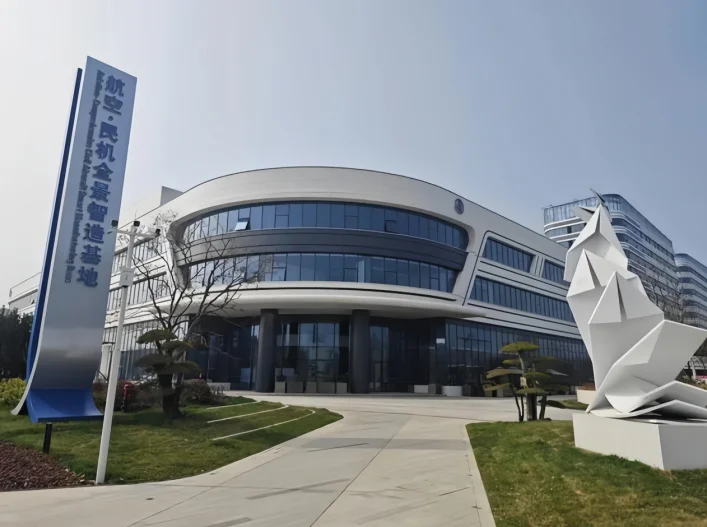
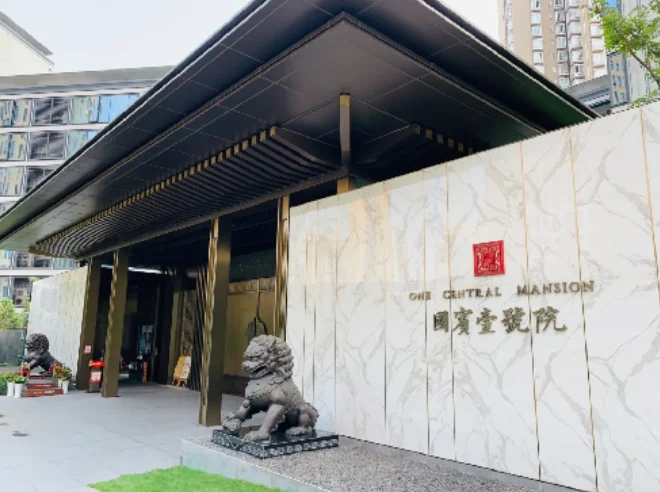
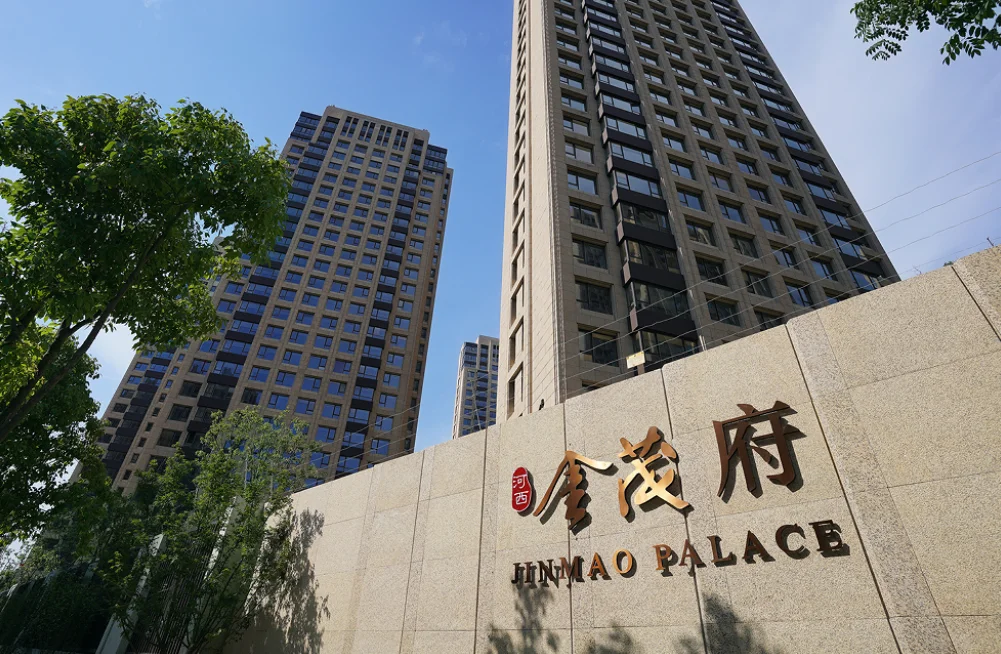

With advanced manufacturing and rigorous quality control, Homedin delivers consistent product quality and responsive after-sales support. We welcome partners worldwide to visit our factory and discuss collaboration.