Clear records
history record

Best Pedestal System for Outdoor Paving: Engineering Stability, Precision Leveling, and Long-Term Structural Reliability
Outdoor paving systems are no longer evaluated solely by surface aesthetics or short-term installation efficiency. In high-load rooftop terraces, commercial plazas, landscape walkways, and elevated outdoor platforms, the structural behavior beneath the paving layer has become a decisive engineering factor affecting long-term flatness retention, drainage performance, thermal movement tolerance, and lifecycle maintenance cost.
For architects, contractors, and project engineers, selecting the best pedestal system for outdoor paving is fundamentally a structural decision rather than a decorative one. The pedestal assembly directly influences vertical load transmission, slab stress distribution, substrate protection, and paving alignment accuracy under dynamic environmental conditions.
As outdoor construction standards continue shifting toward modular elevated paving systems, demand has increased for adjustable pedestal system for outdoor paving solutions capable of maintaining millimeter-level leveling precision while withstanding thermal cycling, moisture exposure, UV degradation, and sustained static loads.
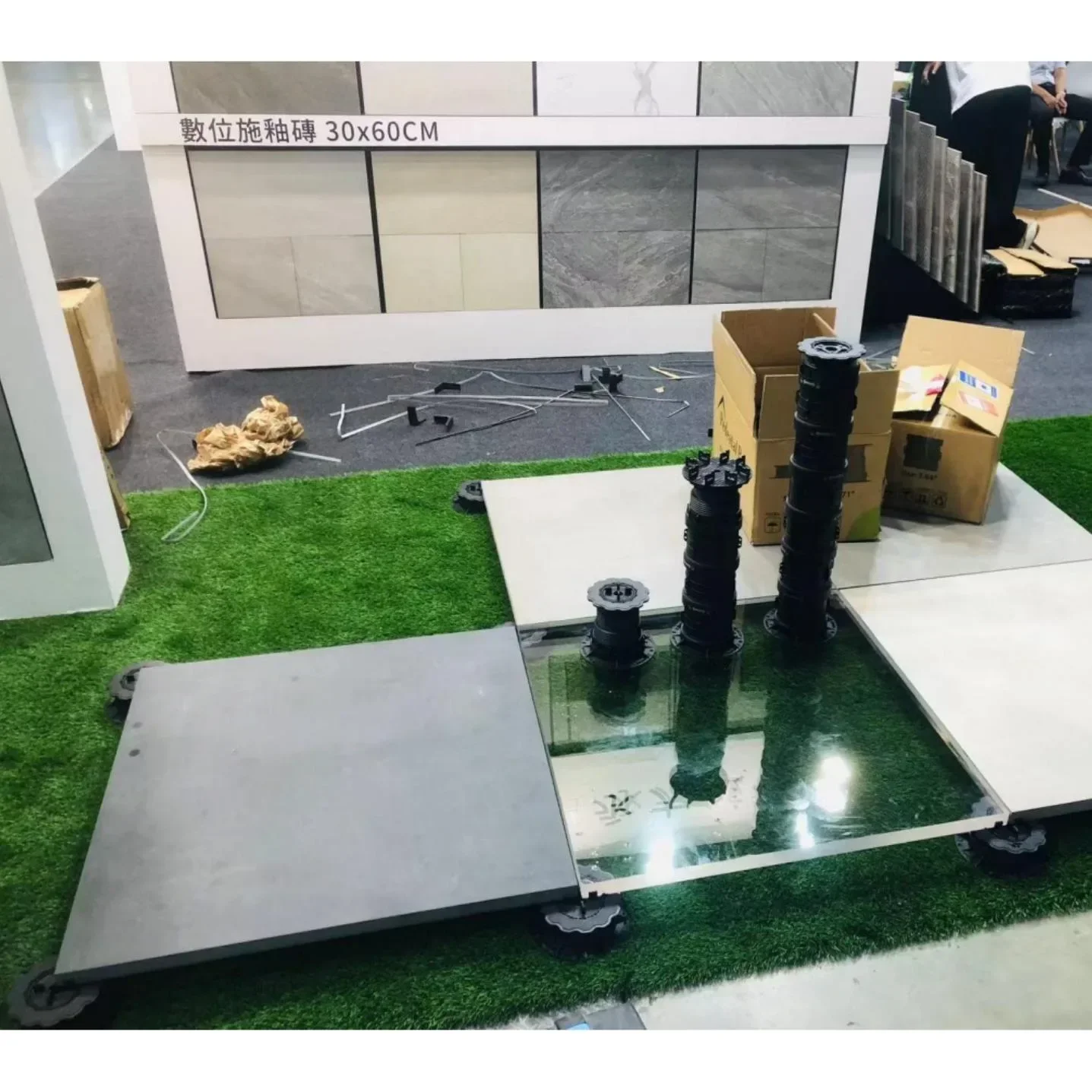
Homedin Industrial Co.,Ltd. specializes in comprehensive overhead support solutions engineered specifically for demanding outdoor architectural environments. The company develops and manufactures high-performance adjustable pedestal systems including stone supports, floor supports, keel supports, and water feature supports for projects such as rooftop gardens, elevated plazas, mirrored water landscapes, balcony systems, dry spray environments, prefabricated structures, and commercial landscape platforms.
Unlike conventional fixed-height support methods, Homedin Industrial’s pedestal system for outdoor paving integrates high-strength engineering-grade polypropylene structures with a precision threaded adjustment mechanism and a proprietary micro-adjust self-locking height regulation system. This engineering architecture is specifically designed to improve load distribution uniformity, reduce cumulative installation deviation, and maintain long-term structural stability across complex substrate conditions.
Why Traditional Outdoor Paving Support Methods Fail in Long-Term Applications
Many outdoor paving failures originate below the surface layer rather than within the paving material itself. Conventional mortar beds, rigid support pads, and low-grade pedestal systems frequently encounter structural performance limitations when exposed to long-term environmental loading and substrate movement.
In rooftop terrace applications, the substrate often includes waterproof membranes, insulation layers, drainage mats, and structural concrete decks operating simultaneously under fluctuating thermal conditions. Improper support distribution creates localized stress concentrations that accelerate slab instability and height deviation over time.
Several common structural issues repeatedly appear in poorly engineered support systems:
Uneven vertical load transfer causes isolated pressure accumulation beneath paving corners, increasing the probability of slab rocking, edge cracking, and progressive settlement under pedestrian or maintenance traffic. In large-format porcelain and stone installations, even minor elevation inconsistencies can magnify surface deflection behavior across adjacent panels.
Limited height calibration precision makes it difficult to compensate for irregular substrates or waterproofing slope tolerances. When installers cannot achieve fine-grained leveling adjustments, cumulative elevation deviation increases across long paving spans, particularly in commercial plazas and elevated decks where flatness consistency directly affects drainage flow behavior and visual alignment.
Inferior polymer materials experience accelerated degradation under UV exposure, moisture cycling, and seasonal temperature variation. Structural creep and dimensional instability gradually compromise leveling consistency and load-bearing reliability after prolonged outdoor exposure.
Inadequate drainage compatibility restricts water flow beneath the paving surface. Trapped moisture increases the risk of freeze-thaw expansion, biological growth, membrane deterioration, and long-term substrate damage.
These engineering limitations explain why project developers increasingly prioritize advanced adjustable pedestal system for outdoor paving solutions with verified structural performance characteristics rather than focusing solely on initial installation cost.
Structural Engineering Principles Behind the Best Pedestal System for Outdoor Paving
A high-performance pedestal system must function as an engineered load-management platform rather than a simple height spacer. The effectiveness of the system depends on how efficiently it controls force transmission, leveling precision, environmental resistance, and drainage integration simultaneously.
Homedin Industrial’s system architecture is designed around four primary engineering objectives:
Optimized Vertical Load Transfer
The pedestal body geometry is engineered to stabilize compressive force transmission through a centralized load path while minimizing lateral displacement risk. Instead of concentrating stress at isolated contact points, the system distributes force through multi-point support engagement that improves overall paving stability.
This becomes especially important in large commercial paving fields where repetitive pedestrian loading and maintenance vehicle traffic generate long-term cyclical stress conditions. Uniform load distribution reduces differential settlement behavior and helps maintain paving alignment consistency over extended service periods.
The structural base geometry also improves interaction with uneven substrates by increasing surface contact stability across waterproof membranes and insulation assemblies.
High-Precision Threaded Height Regulation
One of the defining characteristics of an advanced adjustable pedestal system for outdoor paving is its ability to achieve precise elevation control under real-world site conditions.
Homedin Industrial integrates a precision threaded adjustment mechanism capable of fine incremental calibration. This enables installers to compensate for substrate slope variation, waterproofing inconsistencies, and structural deck irregularities without sacrificing surface flatness accuracy.
In rooftop applications where drainage gradients must coexist with visually level paving surfaces, accurate pedestal adjustment becomes critical for balancing hydraulic functionality with architectural appearance.
Unlike coarse adjustment systems that rely on broad height increments, fine-thread engineering allows installers to achieve more controlled alignment refinement during final leveling stages.
Micro-Adjust Self-Locking Height Adjustment System
A major engineering advantage of Homedin Industrial’s pedestal platform is its proprietary micro-adjust self-locking height adjustment system.
This mechanism enables millimeter-level calibration while simultaneously stabilizing the selected elevation against long-term vibration, thermal expansion, and repeated loading cycles.
In practical field applications, this provides several important structural benefits:
On concrete rooftop substrates with localized surface irregularities, the system allows accurate compensation without requiring excessive shimming or substrate correction work, thereby preserving uniform support engagement beneath paving panels.
On waterproof membrane assemblies, the self-locking mechanism reduces the risk of gradual rotational loosening caused by thermal cycling or repeated maintenance traffic, helping preserve elevation consistency throughout seasonal expansion and contraction cycles.
On insulated roofing systems where substrate compression characteristics vary slightly under load, the micro-adjust architecture enables more accurate leveling control while minimizing the potential for differential slab movement.
This self-locking functionality is particularly valuable in large-format paving systems where even small height shifts can create visible edge lippage or rocking instability between adjacent panels.
Engineering-Grade Polypropylene Material Performance
Material selection directly influences the lifecycle durability of any outdoor support system.
Homedin Industrial utilizes high-strength engineering-grade polypropylene optimized for outdoor structural applications involving:
Continuous UV exposure
Moisture fluctuation
Thermal cycling
Freeze-thaw environments
Long-duration compressive loading
Compared with lower-density plastics that experience accelerated creep deformation, engineering-grade polypropylene maintains greater dimensional stability under sustained compressive stress.
This stability is essential in elevated paving systems because even gradual material deformation can alter slab alignment and drainage performance over time.
The material composition also supports improved chemical resistance against environmental contaminants commonly encountered in commercial urban installations.
Best Pedestal System for Outdoor Paving Load Capacity Comparison
Load-bearing performance remains one of the most frequently searched evaluation criteria among contractors and project engineers specifying pedestal systems.
However, simple maximum load figures rarely provide sufficient engineering insight. The real performance difference between pedestal systems depends on how consistently the structure maintains dimensional stability under sustained loading conditions rather than isolated laboratory compression testing.
Several structural variables determine effective load capacity performance:
Base Diameter and Load Distribution Area
A wider and structurally reinforced base improves pressure distribution across waterproofing and insulation substrates. This reduces localized compression risk while improving overall support stability beneath heavy paving assemblies.
In rooftop garden systems and commercial terraces, insufficient base distribution can increase membrane stress concentration and accelerate substrate fatigue.
Internal Structural Reinforcement Geometry
Pedestal body reinforcement design significantly affects long-term compressive behavior.
Systems with optimized rib structures and reinforced load paths maintain greater resistance against deformation under sustained vertical stress. This is particularly important in projects involving:
Thick natural stone slabs
High-density porcelain panels
Elevated public walkways
Equipment-access rooftop systems
Thread Engagement Stability
The threaded adjustment section represents a critical structural interface within adjustable pedestal systems.
Poorly engineered thread geometry may experience micro-shifting under cyclic loading or thermal movement. High-precision thread engagement improves vertical stability while supporting more reliable long-term elevation retention.
Dynamic Environmental Resistance
True structural performance must account for environmental exposure conditions rather than static laboratory loading alone.
An advanced adjustable pedestal system for outdoor paving must maintain structural consistency despite:
Summer surface heat accumulation
Winter contraction cycles
Moisture saturation
UV degradation
Repeated freeze-thaw stress
This environmental resilience is often a more meaningful predictor of long-term project success than isolated maximum compression figures.
Adjustable Pedestal System for Outdoor Paving Installation Guide
Installation methodology directly affects the long-term structural behavior of elevated paving systems. Even high-quality pedestal products can experience performance degradation if adjustment logic, load spacing, and drainage coordination are not properly engineered during installation.
Substrate Evaluation Before Installation
Before pedestal placement begins, the substrate must be analyzed for:
Structural slope condition
Waterproof membrane continuity
Drainage flow direction
Insulation compression characteristics
Surface irregularity distribution
This assessment determines pedestal spacing strategy and height calibration requirements.
In rooftop terrace projects, maintaining uninterrupted drainage flow beneath the paving surface is especially important for long-term waterproofing protection.
Pedestal Spacing Engineering
Support spacing must correspond to both paving material properties and anticipated load conditions.
Large-format porcelain panels generally require tighter support consistency to reduce bending stress accumulation. Natural stone applications may require different spacing logic depending on slab thickness and material density.
Improper support intervals increase the probability of:
Edge deflection
Corner instability
Differential movement
Surface vibration under traffic
Engineering calculations should prioritize uniform load transfer rather than simply minimizing pedestal quantity.
Height Calibration and Leveling Control
The micro-adjust self-locking mechanism enables precise elevation refinement throughout the installation sequence.
Rather than relying on substrate correction layers, installers can progressively fine-tune support heights while continuously verifying paving alignment consistency across large surface areas.
This approach improves:
Surface flatness retention
Edge alignment accuracy
Drainage slope coordination
Expansion movement accommodation
Because adjustment occurs directly within the pedestal assembly, cumulative alignment errors are significantly reduced compared with conventional shim-based leveling methods.
Drainage Integration Strategy
One of the primary engineering advantages of elevated paving systems is their compatibility with concealed drainage infrastructure.
Homedin Industrial’s pedestal architecture supports uninterrupted water flow beneath the paving surface, reducing standing water accumulation and protecting waterproofing layers from prolonged moisture exposure.
This drainage compatibility becomes increasingly important in:
Rooftop garden decks
Commercial open plazas
Landscape observation platforms
Poolside paving systems
Exterior hospitality terraces
Efficient subsurface drainage helps mitigate long-term structural deterioration associated with trapped moisture and freeze-thaw cycling.
Application Analysis: Choosing the Right Pedestal System by Project Type
Different outdoor environments impose different structural demands on pedestal systems.
Rooftop Terraces
Rooftop terraces typically involve complex substrate layering systems including waterproof membranes, insulation boards, drainage channels, and structural concrete decks.
The pedestal system must accommodate:
Variable substrate elevation
Thermal expansion movement
Controlled drainage flow
Weight distribution limitations
Precision leveling is especially important because visual flatness must coexist with hidden drainage slopes beneath the surface layer.
Commercial Plazas
Commercial plazas experience high pedestrian traffic intensity and increased dynamic loading frequency.
In these environments, structural priorities include:
Long-term compressive stability
Consistent slab support engagement
Resistance to micro-movement
Reduced vibration transmission
Pedestal stability directly affects both paving durability and perceived surface quality.
Landscape Walkways
Landscape pathways often encounter irregular substrate conditions and varying environmental exposure patterns.
Adjustable pedestal systems improve alignment consistency while allowing easier integration with concealed utilities, drainage channels, and lighting infrastructure beneath the paving layer.
The ability to maintain stable support geometry despite localized substrate variation is critical in these applications.
Elevated Outdoor Platforms
Elevated outdoor structures frequently require greater height adjustment ranges while maintaining structural rigidity.
In these conditions, the interaction between pedestal reinforcement geometry and threaded adjustment stability becomes particularly important.
Systems lacking adequate structural reinforcement may experience increased lateral instability at elevated adjustment heights.
Material Aging Resistance and Long-Term Outdoor Durability
Outdoor paving support systems operate continuously under environmental stress exposure for many years. Material aging behavior therefore becomes a central engineering consideration rather than a secondary specification detail.
Several degradation mechanisms commonly affect low-quality pedestal systems:
UV-induced polymer brittleness
Thermal expansion fatigue
Moisture-related dimensional instability
Compressive creep deformation
Surface cracking under cyclic loading
Engineering-grade polypropylene substantially improves resistance against these failure mechanisms.
Homedin Industrial’s material engineering strategy focuses on maintaining structural consistency throughout prolonged environmental exposure cycles rather than optimizing only short-term mechanical performance.
This approach helps preserve:
Thread engagement precision
Load distribution geometry
Elevation stability
Structural rigidity
Drainage clearance integrity
For long-lifecycle commercial projects, long-term dimensional stability is often more valuable than extremely high short-duration compression figures.
Why Precision Leveling Matters More Than Many Buyers Realize
Surface flatness in outdoor paving systems is not purely an aesthetic issue. Small alignment deviations can generate significant long-term structural consequences.
Insufficient leveling precision contributes to:
Edge stress concentration
Rocking slab movement
Accelerated joint wear
Water accumulation
Differential thermal expansion behavior
These issues become more pronounced in large-format porcelain paving systems where panel dimensions amplify the visibility and structural impact of minor elevation inconsistencies.
The micro-adjust self-locking system developed by Homedin Industrial improves leveling precision by enabling fine incremental calibration directly at the support point.
This engineering approach reduces dependency on improvised field correction methods that frequently introduce long-term instability into elevated paving assemblies.
Evaluating the Best Adjustable Pedestal System for Outdoor Paving
For procurement teams and project engineers, pedestal system selection should involve a broader structural assessment beyond initial product cost.
Key evaluation criteria should include:
Long-term compressive stability under sustained loading
Thread precision and anti-loosening performance
Drainage compatibility with waterproofing systems
UV and thermal aging resistance
Fine-grained leveling capability
Load distribution efficiency
Compatibility with large-format paving materials
Structural reliability across different substrate conditions
A properly engineered pedestal system improves not only paving stability but also long-term maintenance predictability and waterproofing protection.
This makes pedestal performance a lifecycle engineering decision rather than a short-term installation accessory purchase.
Conclusion
As elevated outdoor paving systems become increasingly common in rooftop architecture, commercial landscapes, and public outdoor infrastructure, support system engineering has evolved into a critical determinant of long-term structural performance.
The best pedestal system for outdoor paving must provide more than adjustable height capability alone. It must maintain stable load transfer, accurate leveling precision, drainage compatibility, and environmental durability throughout prolonged outdoor service conditions.
Homedin Industrial Co.,Ltd. addresses these engineering demands through a comprehensive support system architecture integrating high-strength engineering-grade polypropylene, optimized load distribution geometry, precision threaded adjustment mechanisms, and a proprietary micro-adjust self-locking height regulation system.
By focusing on millimeter-level calibration accuracy, long-term structural consistency, and drainage-compatible elevated paving performance, Homedin Industrial delivers adjustable pedestal system for outdoor paving solutions engineered for demanding real-world architectural environments including rooftop terraces, commercial plazas, landscape walkways, elevated decks, and outdoor platform systems.
For project engineers, procurement managers, and architectural contractors seeking reliable outdoor paving stability under complex environmental conditions, structural precision below the paving surface is ultimately what determines long-term project success.
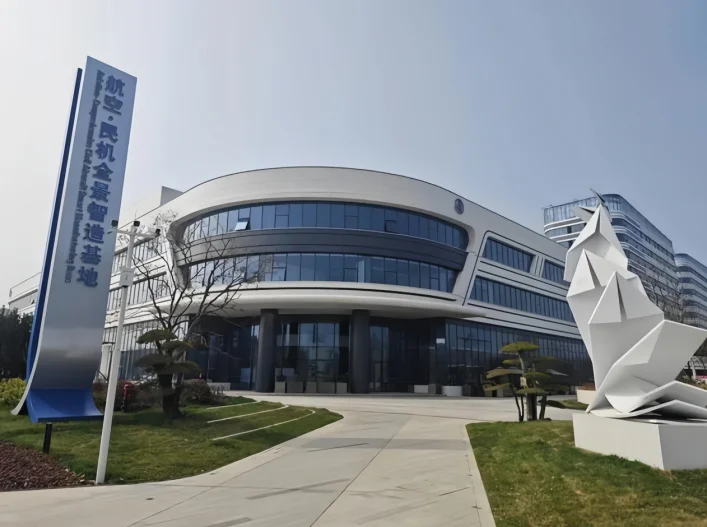
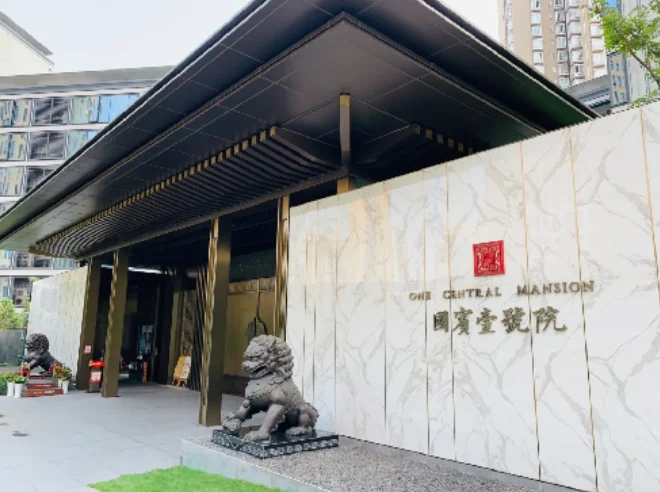

With advanced manufacturing and rigorous quality control, Homedin delivers consistent product quality and responsive after-sales support. We welcome partners worldwide to visit our factory and discuss collaboration.
Frequently Asked Questions
What is an adjustable pedestal used for?
An adjustable pedestal (also called a deck support or paver pedestal) raises tiles, decking boards, timber or stone above the substrate to create a level, ventilated and drained raised floor. Common uses are rooftops, terraces, balconies, plazas and pool decks.
How much weight can an adjustable pedestal support?
HOMEDIN pedestals are SGS load-tested: the HE Series up to 2,000 kg per support, the B Series 2.5–3.5 t, and the S Series rubber shim ≥3,152 kg. Always size by worst-case point load and support spacing.
What height range do adjustable pedestals cover?
Typical pedestals adjust from about 20 mm up to 260–392 mm; extension rings push heights further (B Series to 480 mm, HE Series to 392 mm). Pick the model by your required finished-floor height.
Can adjustable pedestals handle sloped or uneven surfaces?
Yes. Self-leveling heads (HOMEDIN XA rubber / XB plastic) compensate slopes up to 5%, and shim pads level minor irregularities — ideal for retrofit balconies and uneven substrates.
Are HOMEDIN pedestals certified and suitable for outdoor use?
Yes. Bodies are UV-stabilised PP or PP+glass-fibre (TPE/EPDM rubber for the S Series), rated from −30 °C to +120 °C, and verified by SGS, CE, RoHS and REACH.