Clear records
history record

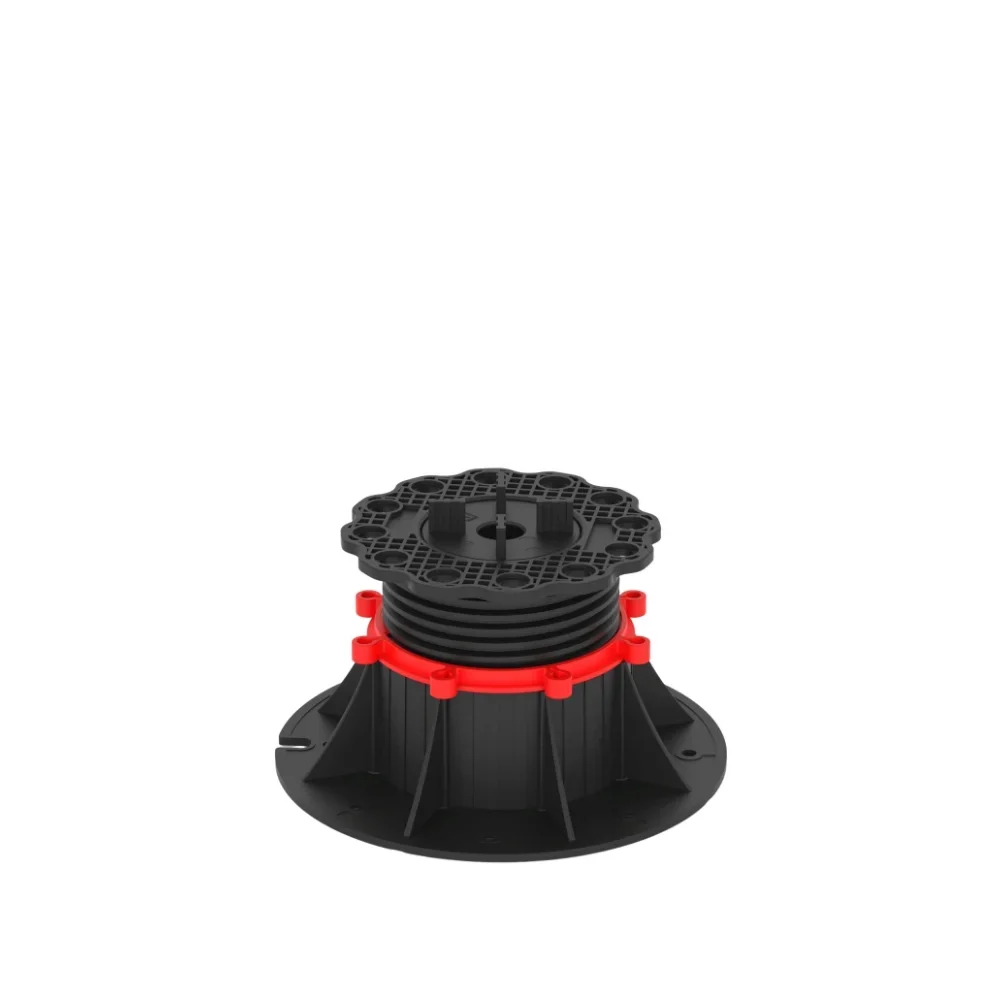
Best Tile Pedestal System for High-Load Outdoor Projects
Modern elevated paving systems are no longer evaluated only by appearance or installation flexibility. In large-scale rooftop terraces, commercial plazas, hotel landscapes, pool decks, and mixed-use urban developments, the performance of a tile pedestal system is directly tied to structural safety, drainage reliability, surface stability, and long-term lifecycle durability.
Architects, contractors, and procurement teams increasingly focus on measurable engineering performance rather than generic product claims. Questions surrounding load-bearing capacity, height adjustment precision, long-term creep resistance, slope compensation, and thermal expansion management have become critical selection standards in contemporary outdoor flooring systems.
This shift has pushed the industry toward more advanced tile pedestal system installation strategies capable of handling heavy porcelain slabs, natural stone pavers, and large-format outdoor flooring materials under demanding environmental conditions.
For engineering-driven projects, the best tile pedestal system is not simply the product with the highest adjustment range or fastest assembly sequence. It is the system capable of maintaining consistent support geometry, minimizing point stress concentration, preserving drainage flow under variable loads, and resisting structural degradation caused by UV radiation, freeze-thaw cycles, rooftop moisture exposure, and continuous thermal movement.
Homedin Industrial Co.,Ltd. has positioned itself within this engineering-focused market by developing comprehensive overhead support solutions for architectural paving systems. The company specializes in the research, manufacturing, and technical application of high-performance adjustable pedestal products including stone supports, floor supports, keel supports, and water feature supports. Its solutions are widely applied across rooftop gardens, elevated plazas, mirrored water landscapes, dry spray installations, fountains, prefabricated structures, balconies, and commercial outdoor flooring projects where long-term structural reliability is a core requirement.
Unlike traditional support methods that rely heavily on mortar compensation or fixed-height spacers, modern pedestal systems are designed to create a mechanically stable elevated surface capable of adapting to uneven substrates, structural movement, and dynamic environmental conditions without compromising tile alignment or support integrity.
Why Engineering Performance Matters in Tile Pedestal System Installation
Outdoor elevated flooring systems operate under conditions far more aggressive than interior floor assemblies. Rooftop installations experience constant UV exposure, heat accumulation, wind uplift pressure, and rapid temperature fluctuations. Commercial plazas are subjected to continuous pedestrian traffic, rolling maintenance equipment, and localized impact loads. Poolside environments introduce moisture saturation, chlorine exposure, and slip-risk conditions.
Under these circumstances, weak pedestal structures often fail in predictable ways:
Thread deformation under sustained compressive load causes gradual elevation loss and tile settlement.
Insufficient base diameter creates localized stress concentration on waterproof membranes.
Low-grade polymer materials become brittle under prolonged UV exposure.
Poor drainage pathways trap water beneath pavers, increasing freeze-thaw expansion risk.
Uneven load transfer accelerates edge chipping and corner cracking in large-format porcelain slabs.
Inadequate anti-slip interfaces allow micro-movement between tile and support head during thermal cycling.
The best tile pedestal system must therefore function as a structural load distribution platform rather than a simple spacer.
A properly engineered pedestal assembly distributes vertical and lateral forces across multiple structural points while maintaining stable elevation geometry. This becomes especially important when supporting 20 mm porcelain pavers, granite slabs, or oversized exterior tiles exceeding 600 × 1200 mm dimensions.
In high-load architectural applications, pedestal performance directly affects:
Surface flatness retention over time
Tile edge stability under dynamic loading
Drainage efficiency beneath paving surfaces
Rooftop waterproofing protection
Long-term maintenance frequency
Structural movement compensation
Thermal expansion management
Pedestrian comfort and vibration control
Projects that underestimate these engineering factors often encounter progressive flooring instability within only a few years after completion.
Structural Design Principles Behind the Best Tile Pedestal System
The mechanical behavior of a pedestal support system depends heavily on its internal structural geometry. While many products appear visually similar, engineering differences in material density, thread precision, reinforcement distribution, and support head configuration create substantial performance variation under real-world load conditions.
High-Strength Polypropylene Structural Stability
One of the most important engineering characteristics in pedestal manufacturing is material selection.
Homedin Industrial utilizes high-strength engineering-grade polypropylene designed for long-term outdoor structural support applications. Unlike lower-density recycled plastics commonly used in low-cost pedestal systems, engineering-grade polypropylene offers:
Higher compressive strength retention under continuous load
Improved resistance to creep deformation
Superior thermal dimensional stability
Better impact resistance during cold-weather conditions
Enhanced UV aging resistance
Greater chemical stability in wet or alkaline environments
In outdoor flooring systems, long-term creep resistance is particularly important.
When pedestal materials lack sufficient molecular stability, sustained dead loads from porcelain or stone surfaces gradually compress the structure over time. This creates differential settlement between adjacent support points, resulting in uneven paving surfaces and concentrated edge stress.
Engineering-grade polypropylene minimizes this risk by maintaining stable compressive geometry even under prolonged high-load conditions.
Precision Thread Adjustment Mechanism
Height adjustment precision is another defining characteristic separating industrial-grade pedestal systems from low-performance alternatives.
Large-scale paving projects rarely operate on perfectly level substrates. Roof slabs often contain intentional drainage slopes, structural deflection zones, and localized irregularities. A pedestal system must therefore provide fine adjustment capability without sacrificing thread stability.
Homedin Industrial integrates precision-thread adjustment structures engineered for accurate micro-leveling control across varying substrate elevations.
This design enables:
Consistent elevation calibration across wide installation areas
Fine-tuned correction of structural slope variations
Stable support under dynamic thermal movement
Accurate alignment of large-format pavers
Reduced differential edge pressure between adjacent tiles
More importantly, the thread geometry is designed to maintain locking stability under sustained compression. Inferior thread systems frequently experience rotational drift under vibration or repeated thermal expansion cycles, eventually leading to height inconsistency across the flooring surface.
Precision thread engagement significantly reduces this long-term instability risk.
Multi-Point Load Distribution Architecture
Traditional pedestal systems often concentrate load transfer through limited contact points, creating elevated stress zones beneath heavy pavers.
Homedin Industrial’s multi-point load balancing structure addresses this issue through optimized force distribution geometry.
Instead of allowing vertical loads to concentrate around a single compression axis, the support structure redistributes forces across broader contact surfaces within the pedestal body and base assembly.
This engineering strategy provides several important advantages:
Improved support stability for oversized porcelain slabs
Reduced risk of tile corner fracture
Lower localized stress on waterproof membranes
Better dynamic load absorption under foot traffic
Enhanced resistance to differential settlement
More consistent surface rigidity across large installations
In commercial projects where maintenance carts, movable seating systems, or concentrated pedestrian traffic create irregular loading patterns, balanced load transfer becomes essential for preserving long-term flooring stability.
Tile Pedestal System Installation in Rooftop Terrace Applications
Rooftop terraces represent one of the most technically demanding environments for elevated paving systems.
Unlike ground-level landscapes, rooftop flooring assemblies must operate above waterproof membranes while accommodating structural movement, drainage flow, thermal expansion, and varying dead-load limitations.
A poorly designed pedestal system can compromise waterproofing integrity, create water accumulation zones, or introduce uneven load concentration on roof slabs.
Managing Drainage Performance on Rooftops
One of the primary engineering benefits of elevated pedestal systems is the creation of unobstructed subsurface drainage pathways.
In traditional mortar-set systems, surface water often becomes trapped within grout joints or beneath partially bonded pavers. Over time, this moisture accumulation increases the likelihood of:
Freeze-thaw expansion damage
Waterproofing membrane degradation
Surface staining and efflorescence
Mold development
Structural moisture migration
Tile pedestal system installation creates an open drainage cavity beneath the finished paving surface, allowing water to move freely toward roof drainage points.
However, drainage efficiency depends heavily on pedestal geometry and spacing design.
Homedin Industrial pedestal systems are engineered with stable base structures that maintain consistent subsurface clearance while minimizing blockage of drainage pathways.
This is especially important on rooftops where slope gradients may vary between drainage sectors.
The combination of precise height adjustment and stable support geometry allows contractors to maintain a perfectly level finished surface while preserving the roof slab’s underlying drainage slope.
Thermal Expansion Compensation
Rooftop surfaces undergo substantial thermal movement due to direct solar exposure.
Dark porcelain surfaces can reach extremely high temperatures during summer conditions, while nighttime cooling produces rapid contraction cycles.
These repeated expansion-contraction movements place continuous stress on paving assemblies.
Rigid installation methods frequently transfer thermal stress directly into tile edges, increasing the risk of:
Edge spalling
Corner cracking
Surface lippage
Joint deformation
Progressive alignment drift
Engineering-grade pedestal systems absorb a portion of these thermal stresses through controlled flexibility within the support interface.
Homedin Industrial incorporates anti-slip cushioning interfaces and stable support heads designed to reduce direct stress transfer between pedestal and paver.
This helps maintain long-term tile alignment stability despite repeated thermal cycling.
Waterproofing Protection
Roof waterproofing membranes are among the most sensitive structural components in elevated paving assemblies.
Concentrated pedestal pressure can damage membranes if the support base lacks adequate load distribution.
Wide-base pedestal geometry helps disperse compressive forces more evenly across the membrane surface.
Combined with multi-point load balancing structures, this reduces localized pressure concentration and helps preserve waterproofing integrity under long-term static loading.
For projects involving insulation layers or lightweight rooftop assemblies, this pressure management capability becomes particularly important.
Best Tile Pedestal System for Commercial Plaza Projects
Commercial plazas require flooring systems capable of handling continuous high-volume traffic while maintaining long-term surface stability.
Unlike residential outdoor installations, commercial surfaces experience:
Constant dynamic pedestrian loading
Repetitive rolling equipment movement
Public event load concentrations
Seasonal temperature extremes
Cleaning equipment vibration
Variable drainage exposure
Under these conditions, pedestal structural rigidity and vibration resistance become critical engineering requirements.
Dynamic Load Stability
Dynamic loading creates different stress behavior compared to static dead loads.
Repeated movement generates micro-vibrations that gradually affect support alignment if the pedestal structure lacks sufficient rigidity.
Low-quality pedestal systems often develop:
Rotational thread loosening
Tile rocking movement
Joint widening
Surface noise generation
Progressive elevation inconsistency
Homedin Industrial’s precision-thread architecture and reinforced support body are designed to resist these dynamic load effects.
The system maintains stable compression geometry under repetitive foot traffic while minimizing movement transfer between adjacent paving modules.
Large-Format Tile Support Performance
Modern commercial architecture increasingly favors oversized porcelain pavers due to their visual continuity and reduced joint density.
However, large-format outdoor tiles present unique engineering challenges:
Increased bending stress across unsupported spans
Higher sensitivity to differential support elevation
Greater edge leverage under point loads
Elevated corner fracture risk
The best tile pedestal system must therefore provide accurate support alignment across multiple contact points.
Homedin Industrial’s multi-point load balancing structure improves support consistency beneath large-format slabs while reducing uneven pressure concentration.
This becomes particularly important in commercial plazas where localized crowd loads may temporarily exceed average design conditions.
Vibration and Acoustic Control
Public commercial environments frequently experience vibration transmission from foot traffic or nearby mechanical systems.
Rigid support assemblies may amplify surface noise and vibration resonance.
Anti-slip cushioning pads integrated into the pedestal head interface help absorb part of this movement energy while stabilizing tile positioning.
This not only improves structural behavior but also contributes to better walking comfort and reduced vibration-induced surface noise.
Tile Pedestal System Installation Around Pools and Water Features
Poolside installations introduce a combination of moisture exposure, thermal variation, chemical interaction, and slip-resistance requirements.
These environments place continuous stress on outdoor flooring assemblies.
Moisture Exposure Resistance
Standing moisture beneath outdoor flooring systems accelerates material degradation when support structures lack chemical and environmental resistance.
Engineering-grade polypropylene offers superior resistance to:
Water absorption
Chlorine exposure
Salt contamination
Alkaline runoff
Mold-related deterioration
This material stability helps maintain long-term structural performance in constantly wet environments.
Drainage Efficiency Near Water Features
Water accumulation beneath poolside paving surfaces can increase hydrostatic pressure and promote long-term instability.
Elevated pedestal systems create open drainage channels that allow rapid water evacuation beneath the finished surface.
This helps reduce:
Surface water retention
Freeze-thaw expansion risk
Biological contamination accumulation
Subsurface moisture migration
For mirrored water landscapes and fountain projects, maintaining efficient subsurface drainage is especially important for preserving long-term surface stability.
Homedin Industrial has extensive experience supplying support systems for water feature structures and landscape engineering projects where continuous drainage performance is essential.
Slip Stability and Tile Position Retention
Wet environments increase the risk of tile movement if the pedestal interface lacks sufficient friction control.
Anti-slip surface pads integrated into the support head help stabilize tile positioning under moisture exposure while also reducing micro-vibration transfer.
This is particularly important for large-format porcelain pavers installed near pool edges or high-traffic wet zones.
Understanding Load Capacity in the Best Tile Pedestal System
One of the most important evaluation metrics for contractors and procurement teams is pedestal load capacity.
However, many manufacturers advertise static laboratory load numbers that do not accurately reflect real-world installation conditions.
True engineering performance depends on several interconnected factors:
Material creep resistance
Thread compression stability
Base geometry
Load distribution design
Tile size and thickness
Support spacing
Substrate rigidity
Dynamic loading behavior
Static vs Dynamic Load Performance
Static load capacity measures maximum compressive resistance under controlled conditions.
Dynamic load performance evaluates how the pedestal behaves under repetitive movement, impact, and vibration.
For commercial outdoor environments, dynamic performance is often more important than isolated static capacity.
A pedestal system may survive high static compression tests while still experiencing progressive instability under continuous dynamic loading.
Homedin Industrial designs its support structures for balanced long-term performance rather than relying solely on isolated maximum compression figures.
Load Distribution Beneath Large Porcelain Pavers
Large porcelain slabs create different stress behavior compared to smaller modular tiles.
Because of their increased span dimensions, even minor elevation inconsistencies can create concentrated edge loading.
Multi-point support geometry helps reduce this risk by distributing compressive forces more evenly beneath the tile surface.
This contributes to:
Reduced corner fracture risk
Improved bending resistance
Better surface flatness retention
Enhanced structural durability
Base Diameter and Pressure Distribution
Pedestal base diameter directly influences pressure transfer to underlying waterproofing systems or insulation layers.
Smaller base surfaces concentrate stress into limited areas, increasing the likelihood of membrane indentation or insulation compression.
Wide-base support designs help disperse forces more evenly across the substrate.
This is especially important for rooftop applications involving lightweight insulation systems or sensitive waterproofing assemblies.
Height Adjustment Precision and Surface Flatness Control
Height control precision is one of the defining engineering requirements in elevated paving installations.
Inconsistent adjustment systems create:
Tile lippage
Uneven joint alignment
Differential edge stress
Walking instability
Long-term structural drift
Micro-Level Adjustment Capability
Homedin Industrial’s rapid micro-adjustment height control system is designed to provide precise elevation calibration across complex substrate geometries.
This allows contractors to compensate for:
Roof drainage slopes
Concrete slab irregularities
Structural settlement zones
Surface deflection variations
Multi-level architectural transitions
Precision micro-adjustment becomes increasingly important as tile dimensions grow larger.
Large-format porcelain pavers visually exaggerate even minimal elevation inconsistencies.
Stable adjustment systems therefore play a critical role in maintaining architectural surface quality over long installation spans.
Long-Term Height Stability
Adjustment precision alone is insufficient if thread systems gradually deform under sustained load.
Inferior thread structures may initially achieve accurate leveling but lose calibration over time due to creep deformation or rotational movement.
Homedin Industrial’s reinforced thread engagement geometry is engineered to preserve long-term height consistency under continuous compression.
This helps reduce the risk of:
Progressive settlement
Tile rocking
Joint irregularity
Surface unevenness
Environmental Durability in Outdoor Tile Pedestal Systems
Outdoor pedestal systems must maintain structural reliability despite continuous environmental exposure.
Environmental durability depends on both material composition and structural engineering design.
UV Resistance
Continuous ultraviolet exposure gradually weakens low-grade polymers, causing brittleness and reduced impact resistance.
Engineering-grade polypropylene formulations improve UV stability and help preserve long-term structural integrity.
This is especially important in rooftop projects exposed to direct sunlight throughout the year.
Freeze-Thaw Stability
Outdoor paving systems in cold climates experience repeated freeze-thaw cycling.
Water trapped within poorly designed support structures can expand during freezing conditions and accelerate material fatigue.
Open structural geometry combined with efficient drainage pathways helps reduce moisture retention and improve freeze-thaw durability.
Thermal Cycling Resistance
Outdoor flooring assemblies undergo constant thermal expansion and contraction.
Stable pedestal geometry and controlled support flexibility help absorb part of these movement stresses while maintaining consistent tile alignment.
This reduces long-term stress concentration within the paving assembly.
Choosing the Best Tile Pedestal System for Different Project Types
No single pedestal configuration is suitable for every architectural environment.
The best tile pedestal system depends heavily on project-specific engineering requirements.
Rooftop Garden Systems
Key priorities include:
Waterproofing protection
Drainage preservation
Lightweight structural loading
Thermal movement accommodation
Long-term UV durability
Wide-base pedestal geometry and stable thread systems are especially important in these projects.
Commercial Plaza Flooring
Primary engineering considerations include:
Dynamic load resistance
Surface vibration control
Large-format tile stability
Long-term alignment retention
Public traffic durability
Multi-point load balancing structures provide major advantages under these conditions.
Pool Deck Installations
Critical performance factors include:
Moisture resistance
Drainage efficiency
Slip stability
Chemical resistance
Wet-environment durability
Anti-slip support interfaces and water-resistant materials become essential.
Elevated Landscape Platforms
Landscape projects often involve:
Complex slope adaptation
Irregular substrate conditions
Mixed material transitions
Drainage integration
Long-span visual alignment
Rapid micro-adjustment systems improve leveling precision across these challenging environments.
Common Engineering Mistakes in Tile Pedestal System Installation
Even high-quality pedestal systems can underperform if engineering considerations are ignored during project planning.
Insufficient Support Density
Large-format tiles require carefully calculated support spacing.
Excessive spacing increases bending stress and corner fracture risk.
Support layouts should be engineered according to:
Tile dimensions
Material thickness
Expected live load conditions
Dynamic traffic exposure
Ignoring Thermal Movement
Outdoor paving systems must accommodate expansion and contraction.
Restrictive perimeter detailing can transfer thermal stress into tile edges and pedestal assemblies.
Movement allowance planning remains essential for long-term structural stability.
Inadequate Drainage Planning
Even elevated flooring systems require properly designed drainage flow paths.
Blocked drainage zones increase moisture accumulation and structural deterioration risk.
Pedestal layouts should preserve uninterrupted water movement beneath the paving surface.
Using Low-Grade Support Materials
Material degradation is one of the leading causes of premature pedestal failure.
Engineering-grade polymer stability is essential for maintaining long-term support geometry under outdoor exposure.
Why Contractors and Procurement Teams Prioritize Engineering-Focused Pedestal Systems
Modern architectural projects increasingly demand predictable long-term performance rather than short-term installation convenience.
Procurement managers evaluate pedestal systems based on:
Structural reliability
Lifecycle durability
Long-term maintenance stability
Waterproofing protection compatibility
Material consistency
Engineering support capability
Adaptability across multiple project types
Contractors prioritize systems capable of maintaining stable alignment under real-world environmental conditions.
Architects focus on preserving surface flatness, drainage integration, and large-format paving performance.
Engineering-driven pedestal systems address these overlapping priorities by combining material science, structural geometry, and environmental durability into a unified support platform.
Homedin Industrial’s overhead support solutions are designed specifically for these performance-oriented architectural environments. By integrating high-strength polypropylene structures, precision thread adjustment mechanisms, multi-point load balancing architecture, and long-term outdoor durability engineering, the company provides support systems capable of meeting the structural demands of rooftop gardens, elevated plazas, landscape platforms, water feature environments, and high-load commercial paving projects.
Conclusion
The best tile pedestal system is defined not by simplified marketing claims, but by measurable engineering performance under long-term outdoor operating conditions.
In rooftop terraces, commercial plazas, landscape decks, poolside environments, and elevated architectural flooring systems, pedestal structures must maintain stable support geometry despite thermal movement, moisture exposure, dynamic loading, and environmental aging.
Engineering-grade polypropylene construction, precision thread adjustment systems, multi-point load distribution structures, and anti-slip vibration control interfaces all play essential roles in preserving tile stability, drainage efficiency, and long-term structural reliability.
Tile pedestal system installation should therefore be approached as a structural engineering decision rather than a basic flooring accessory selection.
For contractors, architects, procurement specialists, and project engineers seeking reliable elevated paving performance across demanding outdoor environments, advanced support systems developed by Homedin Industrial provide a technically driven solution focused on durability, load stability, precision leveling, and long-term architectural performance.
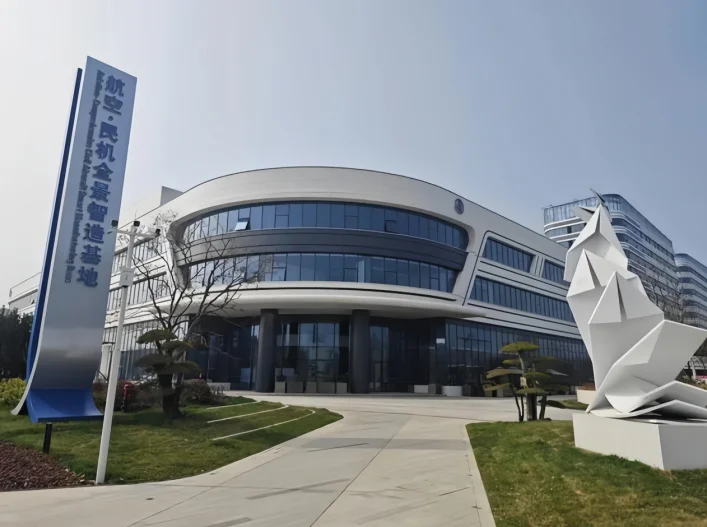
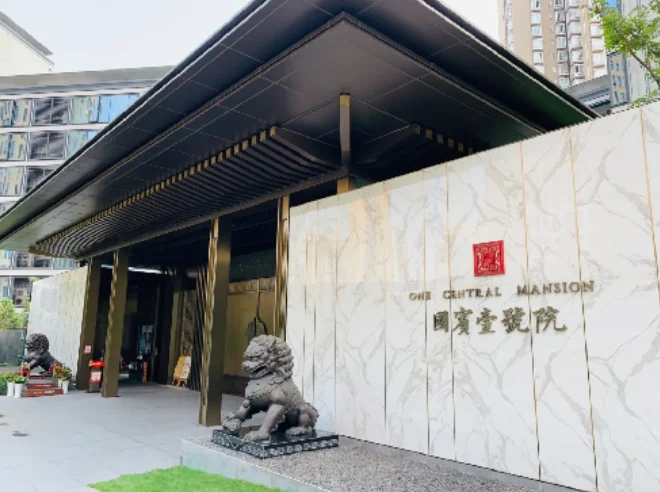

With advanced manufacturing and rigorous quality control, Homedin delivers consistent product quality and responsive after-sales support. We welcome partners worldwide to visit our factory and discuss collaboration.
Frequently Asked Questions
What is an adjustable pedestal used for?
An adjustable pedestal (also called a deck support or paver pedestal) raises tiles, decking boards, timber or stone above the substrate to create a level, ventilated and drained raised floor. Common uses are rooftops, terraces, balconies, plazas and pool decks.
How much weight can an adjustable pedestal support?
HOMEDIN pedestals are SGS load-tested: the HE Series up to 2,000 kg per support, the B Series 2.5–3.5 t, and the S Series rubber shim ≥3,152 kg. Always size by worst-case point load and support spacing.
What height range do adjustable pedestals cover?
Typical pedestals adjust from about 20 mm up to 260–392 mm; extension rings push heights further (B Series to 480 mm, HE Series to 392 mm). Pick the model by your required finished-floor height.
Can adjustable pedestals handle sloped or uneven surfaces?
Yes. Self-leveling heads (HOMEDIN XA rubber / XB plastic) compensate slopes up to 5%, and shim pads level minor irregularities — ideal for retrofit balconies and uneven substrates.
Are HOMEDIN pedestals certified and suitable for outdoor use?
Yes. Bodies are UV-stabilised PP or PP+glass-fibre (TPE/EPDM rubber for the S Series), rated from −30 °C to +120 °C, and verified by SGS, CE, RoHS and REACH.